
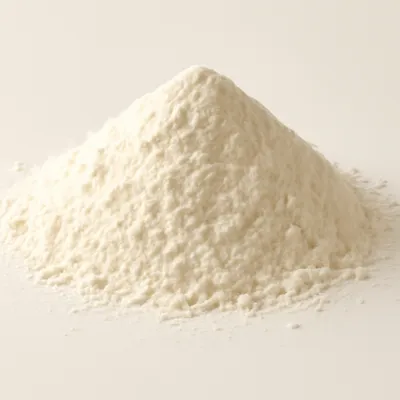
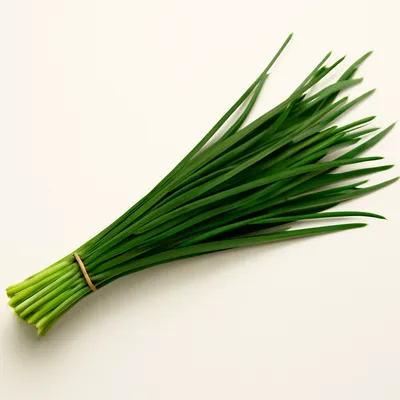
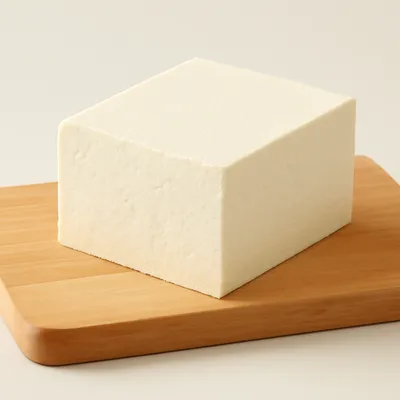
A rice-skinned dumpling from the Jingdezhen and Jiujiang area of northeastern Jiangxi, eaten as breakfast and as a late-night snack. Unlike a wheat-flour jiaozi, the wrapper is made from late indica rice that is soaked, steamed, milled to flour, and scalded with boiling water into a pliable dough, then pinched or rolled thin and folded around a filling into a crescent. Fillings divide into spicy and plain: shredded radish with chili for the spicy kind, Chinese chives with tofu or egg for the plain, alongside many others — dried tofu, bean sprouts, long beans, pickled greens, fresh or cured pork. The crescents are steamed in a basket, soft and translucent, and may afterward be pan-fried for a crisp underside.



Jiangxi steamed rice dumplings are an everyday folk snack of the Jingdezhen–Jiujiang region of northeastern Jiangxi, reaching across the provincial line into Dongzhi in southern Anhui; they are a household and street food rather than a dish with a recorded founder, and their exact origin is not documented. They belong to the broad family of southern rice 'guo' or 'ba' (粿/粑) — rice-flour wrappers and cakes that stand in for wheat in the rice-growing south — and are made and sold daily as morning and evening fare. Steamed plain or pan-fried after steaming, with both spicy and non-spicy fillings, they remain a local fixture rather than a tourist specialty.
Hot from the basket the skin is soft, smooth, and faintly translucent, with the gentle clinging chew of cooked rice rather than the springy bite of wheat dough; it gives way easily to the filling. A spicy radish-and-chili filling is juicy and warm with a clean radish sweetness under the heat; a chive-and-tofu filling is fresh and savory. The wrapper itself is mild, so the filling carries the flavor. Pan-fried after steaming, the underside turns golden and crisp against the soft top, a contrast of textures in one bite. Eaten fresh and hot the skin is tender; left to cool it firms and toughens as the rice starch sets, so it is eaten straight from the steamer or the pan.
The wrapper works because the rice is cooked twice and scalded. Late indica rice is soaked, steamed, then milled to flour; mixing that flour with boiling water gelatinizes its starch on the spot, so the dough turns soft, cohesive, and pliable instead of crumbling the way raw rice flour would — gluten-free rice has no elastic network, so it is the gelatinized starch that binds the skin and lets it be pinched thin without tearing. Steaming sets that gel into a tender, translucent, slightly chewy skin. The same starch chemistry is why the dumplings harden once cold: as they cool the starch chains re-associate and crystallize (retrogradation), squeezing out water and turning the skin firm, so they are eaten hot. Pan-frying after steaming dehydrates and browns the contact surface through the Maillard reaction, giving a crisp golden base under the soft body.
Variations
The first divide is spicy versus plain: shredded white radish with chili is the classic spicy filling, while Chinese chives with tofu or with egg is the standard mild one. Beyond these the fillings range widely — dried tofu, bean sprouts, long beans, scallion and garlic, pickled mustard greens, fresh pork, and cured pork all go in, mixed to taste. The finish is either steamed only, soft and translucent, or steamed and then pan-fried for a crisp browned base. The dumpling belongs to the wider Jiangxi–Anhui world of rice 'ba' snacks; just across the border the same idea appears under names like Dongzhi rice cake, and within Jiujiang it overlaps with the local radish-filled 萝卜粑.
On the Palate
Where Jiangxi Steamed Rice Dumplings sits in the Chinese flavor cloud
Ingredients
Serves 4

How it's made
7 steps · 40 min
- 140 min
Soak late indica rice several hours, steam until just cooked, cool, and mill to a fine flour
- 215 min
Prepare fillings: shred and salt white radish then squeeze dry and mix with chili; or chop chives and crumble tofu or scramble egg, seasoning each
- 38 min
Add a little salt to the rice flour and scald with boiling water, stirring, then knead while warm into a soft, smooth, cohesive dough
Watch outScald the rice flour with boiling water and knead while warm into a soft, cohesive dough — the boiling water gelatinizes the starch so it binds; raw flour just crumbles and tears.
- 46 min
Pull off small pieces and press or roll each into a thin round wrapper
- 58 min
Place filling on each wrapper, fold into a crescent, and pleat or pinch the edge tightly shut
- 617 min
Steam the dumplings over high heat about 15 minutes, then leave covered off the heat for 2 minutes
Watch outSteam over high heat about 15 minutes, then leave covered off the heat 2 minutes — cutting the steam short leaves the skin pasty; the extra rest sets it.
- 75 min
Eat hot from the basket, or pan-fry the steamed dumplings in a little oil until the underside is golden and crisp
Archive tool suggestions — not reviewed
These legacy suggestions have not been evidence-reviewed and are not presented as required tools.


