
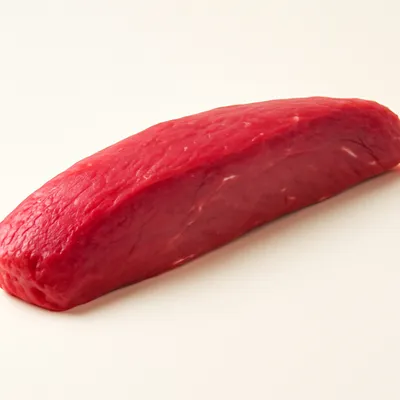
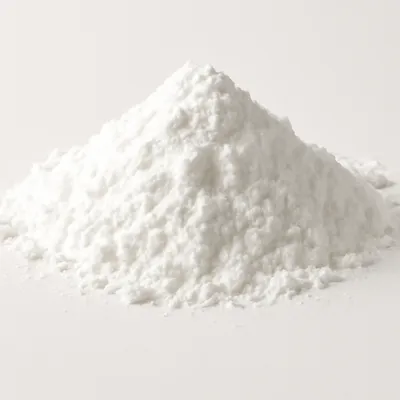
The original of Sichuan's 'water-boiled' (水煮) family and the dish all the others descend from. Thin slices of beef — usually tenderloin or lean yellow-cattle beef — are velveted with egg white and cornstarch, then flash-poached in a brick-red broth built on fried Pixian doubanjiang. The bowl is set over a layer of blanched vegetables (celtuce, garlic sprouts, celery, or bean sprouts), heaped with 刀口辣椒 (dried chilies and Sichuan peppercorns toasted in oil, then chopped on the board), and doused with smoking-hot oil so the aromatics bloom with a hiss. The result is brick-red, oily, and intensely má-là (numbing-hot), eaten over rice. Swap the beef for pork and it becomes 水煮肉片; swap it for fish and it becomes 水煮鱼.


Water-boiled beef is the founding dish of Sichuan's 'water-boiled' style, and it comes from the salt fields of Zigong. Sinking and drawing the brine wells there ran on draft cattle turning the capstans; a working ox lasted only a year or two before it wore out and was slaughtered, and the meat was handed to the salt workers in lieu of wages. The workers sliced the beef, boiled it in water, and seasoned it heavily with the salt, chilies, and Sichuan peppercorns at hand — a rough dish recorded under the name 渗汤牛肉. The Zigong cook Fan Ji'an (范吉安, 1887–1982) refined this into the dish known today: he seasoned the beef during cooking rather than relying on a dip, so it could be eaten straight from the bowl, and fixed the má-là profile of doubanjiang, dried chili, and Sichuan peppercorn. Sources put his work in the 1930s (some say the 1930s–40s), and the exact year is not agreed; the dish was later canonized when it entered the 1981 中国菜谱. The name 水煮 ('water-boiled') is a wry misnomer — the red broth is heavy with oil, but Sichuanese still call it 'water,' a conceit the whole family inherited.
A wide bowl comes to the table brick-red and slicked with oil, whole dried chilies and Sichuan peppercorns heaped on top, vegetables hidden underneath. The beef slices wear a thin starchy coat that holds their shape yet melts in the mouth — at the instant they hit doneness they are at their most silky and tender, never tough or stringy. The má-là is layered: the peppercorn's tingling numbness rushes the tongue first, the chili heat surges up behind it, and the broth stays scalding and savory long after it's poured. The chili-and-peppercorn layer on top is mostly there for aroma, not for eating; what you eat is the beef and the vegetables soaking in the red oil below. Eaten over rice, the rice carries off half the burn.
Two moments of heat decide the dish. The beef is velveted first — salt worked in to draw out its stickiness, then egg white and cornstarch — and within seconds of sliding into the broth the starch sets into a thin gel sheath that locks the juices in, so the meat stays silky rather than toughening the way bare lean beef does the instant it meets hot liquid. The slices are poached only to 断生 (just-cooked) in broth held at a near-simmer; a hard rolling boil or a long cook tightens the muscle proteins, squeezes out water, and shreds the meat. The base is Pixian doubanjiang fried in oil until it gives up its red color and fragrance. The finishing pour is not for show: the chili's capsaicin and the Sichuan peppercorn's hydroxy-alpha-sanshool only release at high oil temperature — toasted, chopped 刀口辣椒 and peppercorn won't bloom in merely warm broth, so oil heated to about 八成热 (roughly 200℃) is poured over them to fire off the numbing, spicy, toasty aroma all at once. That cap of hot oil also keeps the whole bowl scalding to the last bite.
Variations
As the original, water-boiled beef is the trunk the rest of the family grows from: swap the velveted beef for pork loin and it becomes 水煮肉片 (water-boiled pork slices); swap it for fish fillets and it becomes 水煮鱼; the same red broth carries 毛血旺 (with duck blood, tripe, and offal) and even a vegetarian 水煮白菜 (cabbage). The Zigong original keeps the dish plain and heavy-handed with the seasoning. The bottom layer of vegetables varies by cook and season — celtuce, garlic sprouts, celery, soybean sprouts, and wood-ear are all common. Cuts range from lean yellow-cattle beef to tenderloin; some restaurants fold extra fried doubanjiang 'old oil' through the broth for a deeper red.
On the Palate
Where Water-Boiled Beef sits in the Chinese flavor cloud
Ingredients
Serves 4



How it's made
8 steps · 30 min active + 10 min waiting
- 112 min
Slice lean beef or beef tenderloin thin across the grain, about 0.2 cm. Work in salt until the meat turns sticky, then mix in egg white and cornstarch to coat each slice in a thin, even layer; let it sit about 10 minutes.
Watch outWork salt into the beef until it turns sticky before adding egg white and starch — that stickiness is the sign the coating will grip and seal the slices.
- 26 min
Trim and slice the vegetables (celtuce, garlic sprouts, celery, or bean sprouts), blanch them briefly in salted water, drain, and spread them over the bottom of a deep serving bowl.
- 35 min
Toast dried chilies and Sichuan peppercorns in a little oil over low heat until fragrant and crisp, then chop them together on a board into coarse 刀口辣椒; set aside with a spoon of minced garlic.
- 45 min
Fry Pixian doubanjiang in oil over medium heat until the oil turns red and fragrant; add ginger, garlic, scallion, then pour in broth or water, season with soy sauce, and bring to a near-simmer.
- 52 min
Slide the velveted beef slices into the broth one batch at a time and poach gently just until the color turns and they are cooked through, only a minute or so; do not let it reach a hard boil.
Watch outSlide the beef into broth held just below a simmer and poach only until the color turns — a hard boil in a minute toughens it and shreds the coating.
- 61 min
Pour the beef and broth over the bed of vegetables, filling the bowl.
- 71 min
Heap the chopped 刀口辣椒, the remaining peppercorns, and the minced garlic over the beef.
- 82 min
Heat fresh oil until it shimmers (about 80% hot, roughly 200℃) and pour it over the chilies and garlic so it sizzles and blooms the aroma; serve at once over rice.
Watch outHeat the finishing oil until it shimmers, about two-hundred degrees, and pour it sizzling over the chili and garlic to bloom the aroma.


