
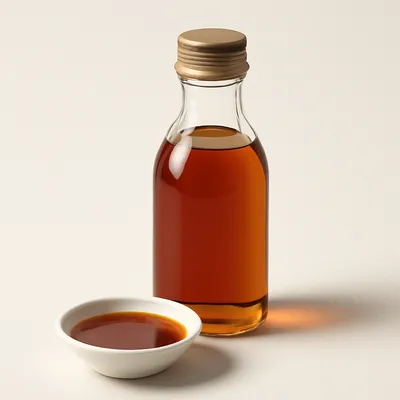
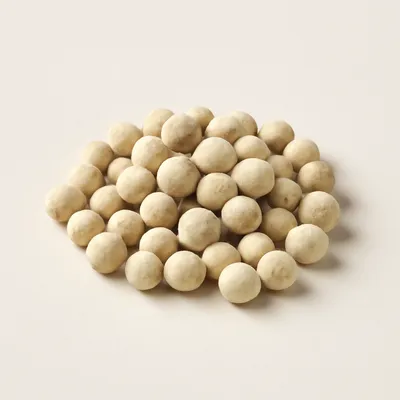
A classic cold starter of the Huai'an school of Huaiyang cuisine, made from the tail sections of yellow eel (locally called 长鱼). The eel is killed, de-slimed, and deboned, and only the tail-back meat is kept; each piece curves like a tiger's tail, which gives the dish its name. The tail meat is blanched just to doneness in seasoned broth or water, drained, and arranged on a plate, then dressed with a generous mound of raw minced garlic, soy sauce, vinegar, and white pepper, finished with hot sesame oil poured over the garlic. It is one of the standard openers of the Huai'an whole-eel banquet (长鱼宴 / 全鳝席), served alongside the better-known soft eel 软兜长鱼.




Blanched eel tails belong to the eel cookery of Huai'an, a city long famous in Jiangsu for cooking yellow eel; in the local dialect the eel is called 长鱼. Xu Ke's early-twentieth-century 《清稗类钞·饮食类》, compiling Qing-era material, records that Huai'an had many noted cooks especially skilled with eel and could lay a whole-eel banquet of dozens of dishes, and it distinguishes the cuts: 虎尾 takes the inch-or-so tail section with the tip removed and is dressed with soy sauce, while 软兜 takes the spine meat and is cooked 'as if boiled, as if stir-fried.' The exact inventor and date are unrecorded. The dish takes its name from the shape of the deboned tail piece, which curls like a tiger's tail; 炝 here is the technique of scalding the pieces just to doneness and then dressing them heavily with raw garlic and seasonings rather than serving them hot from the wok. It remains a core dish of the Huai'an 长鱼宴 (also called 全鳝席 / 长鱼席), the all-eel banquet for which the city is known.
The tail meat comes off the plate in short curved strips, cool to just-warm, springy and faintly crisp at the edge where the skin was, never mushy. The flavor is clean and lightly sweet, with the muddy river note of the eel cooked out; over it sits a sharp, almost raw blast of garlic mellowed just slightly by the hot sesame oil, then soy salt, the sour lift of Zhenjiang vinegar, and a peppery finish. Done well, every piece is taut and slips cleanly off any remaining trace of bone. Done badly, the eel is rubbery and dry from over-blanching, or it still carries slime and fine bones because the deboning was rushed, and the garlic tastes raw and acrid instead of fragrant.
The dish turns on a very short blanch. Eel tail meat is lean and water-rich, held together by proteins that set fast in heat; dropped into near-boiling liquid for only a minute or two, the proteins just coagulate and the strip firms into its tiger-tail curl while staying juicy. Push the blanch longer and the proteins over-tighten and squeeze out water, leaving the meat hard and stringy, so an immediate cold rinse stops the carry-over heat and locks the springy texture. Live eels are purged in clean water for days first, then scalded and wiped to strip the protective slime; thorough deboning is essential because the tail carries fine intramuscular bones. The garlic is the signature: raw minced garlic is piled on and then hit with sesame oil heated to about 八成热, hot enough to bloom the sulfur compounds (allicin and its breakdown products) into deep aroma without fully cooking them, so the dressing keeps a raw pungency. Soy supplies salt and umami, vinegar brightens and cuts the richness, and a little broth carries it all into the cool meat.
Variations
The closest kin is 软兜长鱼 (soft eel), which uses the spine meat instead of the tail and is served hot and silky from the wok; together with 炝虎尾 it anchors the Huai'an 长鱼宴 / 全鳝席, an all-eel banquet that can run to dozens of eel dishes such as 大烧马鞍桥 (braised eel with pork). The garlic dressing on 炝虎尾 ranges from a milder soy-vinegar version to a heavily garlic-forward one; some cooks blanch in plain water, others in chicken broth, and a few add coriander. A 热炝虎尾 (hot version) is served warm rather than chilled, and a 紫炝虎尾 variant is recorded under that name; outside Huai'an the same idea appears wherever yellow eel is eaten in summer across Jiangsu.
On the Palate
Where Blanched Eel Tails sits in the Chinese flavor cloud
Ingredients
Serves 3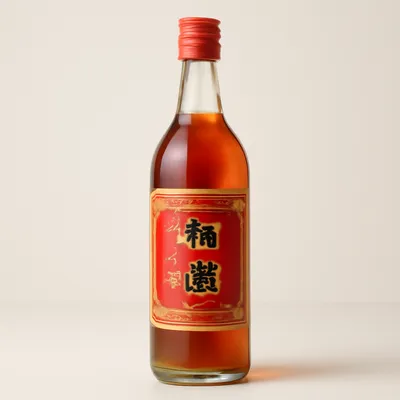


How it's made
7 steps · 30 min active + 10 min waiting
- 110 min
Purge live yellow eels in clean water for several days to expel sediment, then scald them in hot water to kill them and loosen the slime; rub the bodies clean.
- 212 min
Lay each eel on a board and run a bamboo or thin knife from the gill down along the spine to the tail, removing the guts and the backbone; keep only the tail-back sections, cut about 12-15 cm long.
- 34 min
Bring water (or chicken broth) to a boil with scallion knots, ginger slices, and a splash of Shaoxing wine; slide in the eel tail meat and blanch just until cooked through, only a minute or two.
Watch outBlanch the eel tail only a minute or two, just until cooked — push it longer and the proteins over-tighten, squeezing out water and leaving it hard and stringy.
- 43 min
Lift out the meat and rinse immediately in cold water to stop the cooking and keep it springy, then drain well and arrange the curved tail pieces neatly on a plate.
Watch outPlunge it into cold water the instant it's out — that stops the carry-over heat and locks in the springy tiger-tail curl.
- 52 min
Mix a dressing of light soy sauce, Zhenjiang rice vinegar, a little sugar, white pepper, and a spoon of the blanching broth; pour it over the eel.
- 61 min
Heap a generous amount of freshly minced raw garlic in the center over the eel.
- 72 min
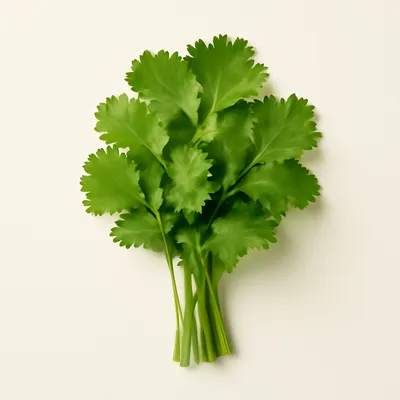
Heat sesame oil until it shimmers (about 80% hot) and pour it over the garlic so it sizzles and releases its aroma; garnish with coriander and serve cool to just warm.
Watch outHeat the sesame oil until it just shimmers, then pour it over the raw garlic so it sizzles the aroma out — too cool and the garlic stays raw-sharp, too hot and it burns bitter.
Archive tool suggestions — not reviewed
These legacy suggestions have not been evidence-reviewed and are not presented as required tools.


