
Blood cockles doused for just seconds in scalding water — long enough to loosen the shells but not to cook the meat, which stays rare and bloody-red — then dressed in a tangy brine of garlic, chili, soy, sesame oil and black vinegar. You pry each shell open with a fingernail and the cockle bleeds its red "blood," actually haemoglobin-rich juice, sweet and faintly metallic. A festive Chaoshan New Year dish, where the coin-shaped shells stand for money and wealth, it belongs to the raw-marinade tradition nicknamed the "Chaoshan narcotic." Because the meat stays barely cooked, food safety is real: blood cockles can carry Vibrio and other bacteria, hepatitis A and parasites, and a quick scald does not sterilize them, so only the freshest cockles, kept cold, should be used, and pregnant or immunocompromised people should avoid the dish.




Marinated blood cockles sit squarely in Chaoshan's raw-marinade foodways, the same coastal love of raw fish, raw shrimp and raw oysters that gave the region its famous cured-seafood culture. The cockle goes by many names — blood cockle, mud cockle, flower cockle — all earned because its juice runs the color of blood. No precise origin or date can be fixed; it is a folk custom of the eastern-Guangdong and wider southeastern coast. What is firmly documented is its New Year role: in Chaoshan, blood cockles are a dish almost every household puts on the table at Spring Festival, the shells likened to coins so that eating them is eating "money," a wish for wealth in the year ahead; the same New Year's-Eve custom holds in Wenzhou up the coast. The standard method is a brief scald and a tangy dressing, judged so the shell just barely loosens.
You pry the shell apart with a thumbnail and the cockle is sitting in a pool of its own red juice — the "blood" that gives it the name. The meat is plump and rare, tender with a slight crispness, sweet and briny with a faint iron tang, far richer than any cooked cockle. The garlic-chili-soy-vinegar dressing cuts the richness and lifts it, sharp and savory. Done right, the shells open just enough to work a fingernail in and the meat slips free whole; if the meat is yellow-brown, dry and shrunken, it has been over-scalded, and if the shells won't part and the muscle clings, it was under-scalded and turns fishy.
The whole trick is a scald measured in seconds, not a boil. Plunged into just-boiled water for roughly eight to fifteen seconds, the cockle's adductor muscle relaxes just enough that the shell loosens, while the heat barely touches the meat — so it stays rare, red and tender. Go longer and the proteins fully coagulate: the shells gape, the meat shrinks tough and turns yellow-brown, and the prized blood-red juice runs out and the flavor with it. Cooking it through also locks aromatic amino acids inside the set protein mesh where they can't reach the tongue, which is exactly why the half-raw cockle tastes best. The red is haemoglobin: unlike most shellfish, whose blood carries blue-tinged haemocyanin, the blood cockle's blood is rich in haemoglobin, so its flesh and juice run red. But a seconds-long scald is not sterilization. Vibrio parahaemolyticus and similar bacteria on the cockle are heat-tolerant — killed only above about 80°C, and reliably only by four to five minutes in boiling water — and the cockle can also carry hepatitis A, norovirus and parasites. So the rare bite that makes the dish is also its risk: only impeccably fresh cockles, kept cold, and not for the pregnant or immunocompromised.
Variations
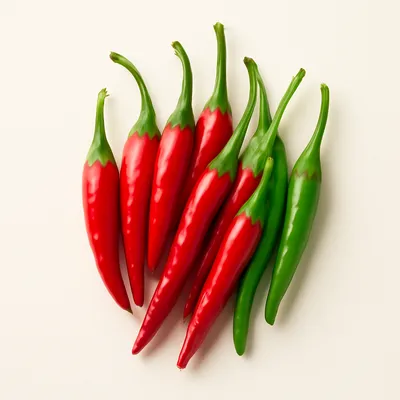
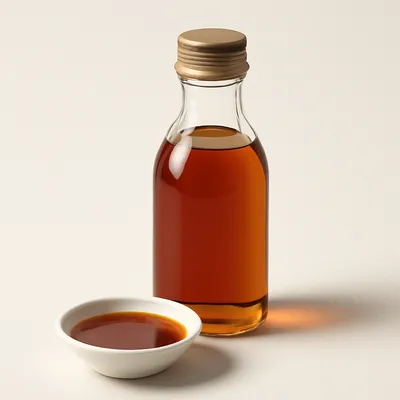
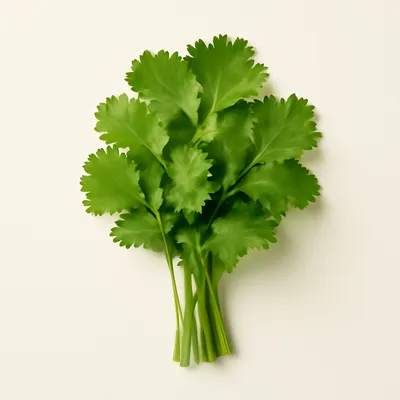
Two broad styles dominate. One scalds the cockles, drains them, and tosses them straight into a soy-sesame-garlic-coriander-vinegar dressing to marinate a couple of hours before eating. The other pours scalding water (sometimes with a little celery) over the cockles, drains, and dresses them with soy, sesame oil, sugar and white vinegar, resting them about two hours. Black (Chinkiang) vinegar gives a darker, mellower sour; white or rice vinegar a brighter one; the heat comes from fresh chili or chili sauce, with garlic always central. Some cooks add ginger or a splash of Shaoxing. The cockle's close cousin, the larger ark clam, takes the same treatment, and up the coast in Wenzhou the dish appears under the cockle's local names with the same brief-scald logic.
On the Palate
Where Marinated Blood Cockles sits in the Chinese flavor cloud
Ingredients
Serves 4
How it's made
7 steps · 15 min
- 110 min
Scrub the live blood cockles clean under running water to remove mud and grit.
- 23 min
Bring a pot of water to a rolling boil, then let it settle a moment toward a fierce scald.
- 31 min
Tip the cockles in (or pour the scalding water over them), counting only about eight to fifteen seconds until the shells just begin to loosen, then drain at once.
Watch outCount only eight to fifteen seconds until the shells just loosen — a hair longer and the meat sets tough and the red juice runs out.
- 45 min
Mix the dressing: light soy, smashed garlic, chopped chili, sesame oil, black vinegar and a little sugar.
- 53 min
Toss the drained cockles with the dressing so every shell is coated, or layer them and pour the dressing over.
- 6120 min
Cover and refrigerate to marinate about two hours, keeping cold throughout.
- 75 min
Serve cold; eat by prying each shell open with a thumbnail, letting the red juice run, and spooning over more dressing.


