
The icon of Chaoshan raw-marinade culture: a fat, roe-laden mud crab, scrubbed clean and chopped raw, then cured a few hours in a brine of light soy and Shaoxing wine loaded with garlic, ginger, chili, coriander and a little sugar, the liquid pressed down to submerge every piece. The roe sets to a jammy, translucent amber and the flesh stays slippery and sweet, with a clean ocean tang. Also called "drunken roe crab," it is the most coveted of the Chaoshan dishes nicknamed the "Chaoshan narcotic" for how addictive they are. Because the crab is never cooked through, food safety is real: raw shellfish can carry parasites (liver fluke, anisakis), Vibrio bacteria and hepatitis A, so only the freshest crab, kept cold, should ever be used, and pregnant or immunocompromised people should not eat it.


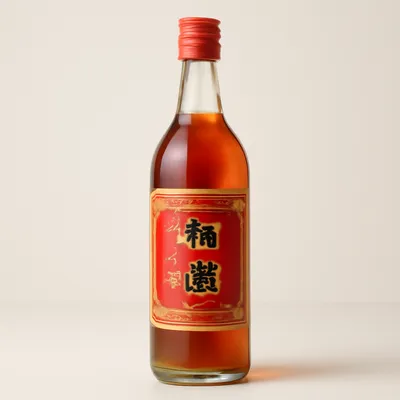


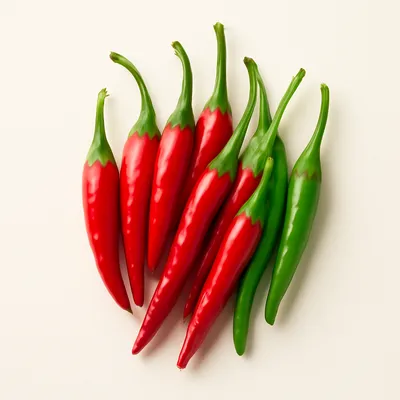
Raw-marinated roe crab grows straight out of Chaoshan's long love of raw-marinade. Eastern Guangdong's coast yields seafood in abundance, and Teochew people have eaten raw fish, raw shrimp and raw oysters for generations; the habit of sealing live seafood directly in a soy-and-wine brine, which keeps the flavor at its most raw and sweet, grew up alongside it. No precise date or inventor can be pinned to the dish — it is a folk foodway whose true origin is lost — but it is documented as a core Chaoshan custom, prized because curing makes the seafood taste fresher and sweeter still. The crab version, also called "drunken roe crab," follows the standard household method: scrub the shell clean, let the live crab spit out grit in lightly salted water, then submerge it in a marinade of soy, Shaoxing wine, garlic, shallot, coriander, Sichuan peppercorn, chili, ginger and sugar. The reference proportion passed down is about 50 grams (one liang) of Shaoxing wine to a single crab, with the wine and soy together deep enough to cover the body completely.
You crack the shell at the table, lift away the gills and innards, and the chopped pieces come glossed in their own dark marinade. The roe is the prize: cured but never cooked, it has set into a jammy, translucent amber that slides cool across the tongue, rich and faintly sweet. The flesh underneath is glassy and slippery, almost raw-soft, sweet as fresh crab with a clean briny edge, the garlic-chili-wine brine lacing through without burying it. A dip of chili vinegar sharpens the whole thing. The texture is the point — silky, cold, yielding — and it is precisely that just-cured rawness that demands impeccably fresh crab.
Raw-marinade is cold chemistry, not cooking. Salt and soy raise the osmotic pressure on the crab's surface so water is drawn out of the cells while soy, garlic and chili penetrate inward, which both seasons the meat and partly suppresses microbes; the Shaoxing wine cuts the raw, fishy edge, throws off aromatic esters, and adds its own antibacterial push. The roe and flesh undergo only mild protein denaturation — enough to firm the loose roe into that jammy, translucent set and to tighten the flesh from wet-raw to glassy-slippery, but never the full heat-coagulation that would turn it opaque and rubbery. That is also why it must be eaten cold and soon: salt and wine slow spoilage but do not sterilize. Raw shellfish can carry the liver fluke and anisakis parasites, Vibrio parahaemolyticus (which thrives in roughly 3% salt and makes heat-stable toxin), and viruses such as hepatitis A and norovirus — none reliably killed by a cold cure. The only real defenses are impeccably fresh crab, scrupulous cleaning, constant refrigeration, and skipping the dish entirely if you are pregnant or immunocompromised.
Variations
Roe crab (gao crab, especially the red-roe female) is the prized choice, but the same raw-marinade is run over swimming crab and other crabs, and across the whole Chaoshan raw-marinade family — raw shrimp, mantis shrimp, clams, oysters. Marinades differ by household and stall: some lean on fish sauce instead of, or alongside, the soy; some add a splash of baijiu or more Shaoxing for a deeper "drunken" note; coriander, shallot and Sichuan peppercorn come and go. Cure times run from a few hours up to a day in the refrigerator, where the crab keeps for roughly two weeks, though shorter cures keep the flesh closer to raw. The constant is the chili-vinegar dip and the rule that the brine must always submerge the crab.
On the Palate
Where Raw-Marinated Roe Crab sits in the Chinese flavor cloud
This is a cold cure, not cooking, so food safety is the make-or-break: use impeccably fresh live crab, keep it cold throughout, and eat it soon — salt and wine slow spoilage but do not sterilize.
Ingredients
Serves 4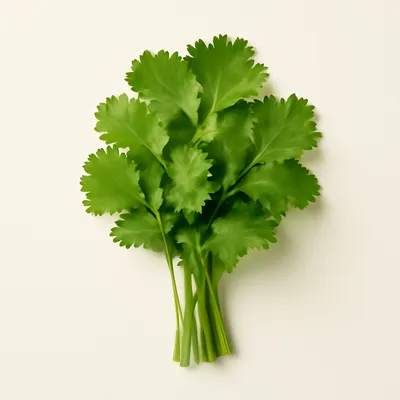


How it's made
7 steps · 40 min
- 15 min
Choose a live, heavy mud crab fat with roe; scrub the shell, legs and joints clean with a brush under running water.
- 230 min
Soak the live crab in lightly salted water so it spits out grit from its gut, changing the water two or three times.
Watch outThe soak water should run clear and the crab stop foaming before you go on — that's the grit spat out.
- 310 min
Make the marinade: combine light soy and Shaoxing wine (about 50 g wine per crab) with smashed garlic, shallot, ginger, chili, coriander, Sichuan peppercorn and a little sugar, in volume enough to submerge the crab.
- 410 min
Chop the cleaned raw crab through the shell into pieces (or halve and quarter), keeping the roe intact.
Watch outChop through the shell but keep the roe lobes whole — don't let the loose roe scatter into the brine.
- 58 min
Pack the pieces into a clean container, pour over the marinade so every piece is fully covered, and press down to hold the crab still.
- 61440 min
Seal and refrigerate at least several hours (commonly about 24 hours), keeping it cold throughout.
Watch outRefrigerate cold the whole time, several hours to about a day; if it smells off at any point, throw it out.
- 77 min
Serve cold: lift off the top shell, remove gills and innards, arrange the pieces, spoon over some of the marinade, and set out a chili-vinegar dip.


