
In Practice
Dry-cure: 2.5-3% salt by weight for short cures (gravlax, pancetta); 4-6% for long dry-ages (jamón, bresaola). Pink salt #1 (NaNO2 6.25% in NaCl) for cooked products like bacon; pink salt #2 (NaNO3 + NaNO2) for long-aged like prosciutto since nitrate slowly converts to nitrite over months. Cellar at 12-15°C, 70-75% RH. Failure mode: salt under 2.5% on a thick cut → core stays at aw > 0.91 while exterior cures; the interior spoils.
Background
Curing is a time-honored technique used globally with distinct cultural variations. In Scandinavia, gravlax is made by curing salmon with a mixture of salt, sugar, and dill, often served on smorrebrod. In Japan, curing plays a role in sushi, where fish is sometimes lightly cured before being served as nigiri or in a chirashi bowl. In Peru, ceviche involves curing fish with citrus acids, creating a refreshing and vibrant dish. Each tradition uses curing to enhance flavors and preserve food, showcasing its versatility.
In Germany, curing is integral to making eisbein, where pork is cured and then slow-cooked, resulting in a tender, flavorful dish. These traditions highlight curing's role in both preservation and flavor development, with each culture adding its unique touch to the process.
How It Works
Osmotic dehydration + ion-mediated protein modification: NaCl draws water activity (aw) below 0.91 (the threshold for most spoilage bacteria) within 12-72 h depending on thickness; sodium nitrite (NO2-) reduces to nitric oxide, which binds myoglobin → nitrosomyoglobin, fixing the pink color and inhibiting Clostridium botulinum spores. Concurrent enzymatic action (cathepsins, calpains) cleaves muscle proteins, generating free amino acids and small peptides — the source of cured-meat umami.
The Four Agents
the mental modelA cure is rarely just salt. Behind a slice of prosciutto or a fillet of gravlax are up to four agents, each with a distinct job — one pulls water, one guards color and safety, one seasons and softens, and one is simply time. Read these four and you can tell a quick kitchen cure from a months-long dry-age at a glance.
Cook One
Dish examples
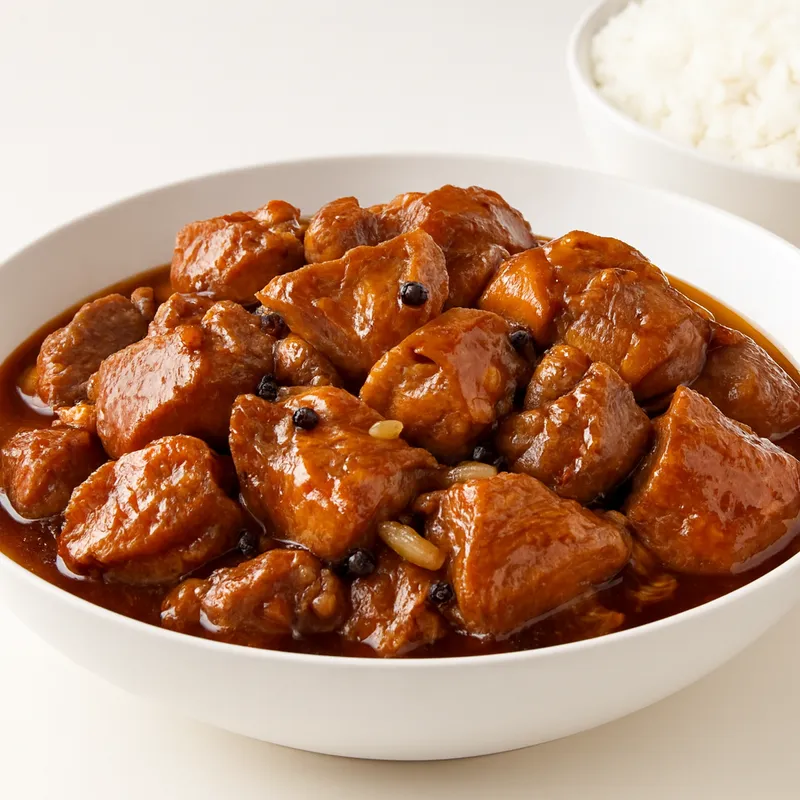
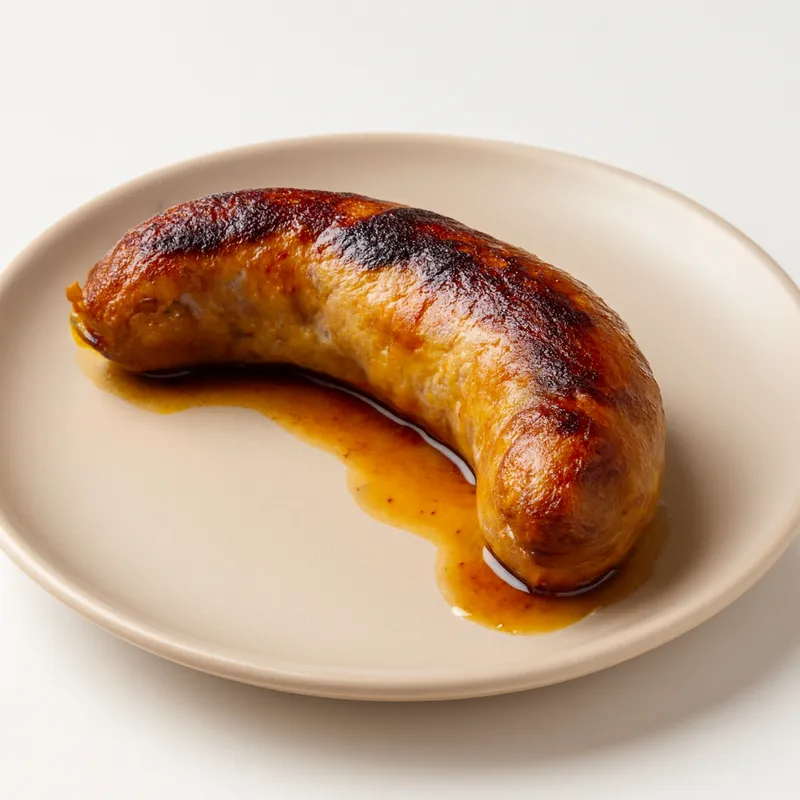
598 dishes · 66 cuisines





Through Time
Salt-curing predates writing — Egyptian tomb texts (2500 BCE) describe salted fish and meat; Cato the Elder's *De Agri Cultura* (160 BCE) records dry-cured ham. Nitrate's preservation role was empirically known via saltpeter use for centuries before Alphonse Mas-Latrie identified the nitrite chemistry in 1899. Antonio Carluccio and Massimo Bottura wrote modern Italian charcuterie canon; François Vatel and Pierre-Jules Hetzel are the French codifiers.
Related cooking knowledge
Confit requires curing as step one. Smoking and curing pair across hams, bacon, salmon — cured-then-smoked is the workhorse charcuterie sequence. Gravlax is unsmoked salt-sugar cure. Fermentation overlaps in dry-aged sausages (Lactobacillus on casing acidifies in parallel with salt dehydration).


