German
Pork, bread, mustard, beer. Four ingredients, a thousand years of stubbornness.
Sauerbraten
Sauerbraten, a pot roast marinated in a mixture of vinegar and spices, is a classic representation of German cooking.
View page →German cooking is built on a trinity of pork, bread, and beer. Bratwurst (countless regional grilled sausages — thin in Nürnberg, long in Thüringen, white in Bayern) comes with mustard and sauerkraut. Sauerbraten is beef braised slowly after marinating for days in red wine and vinegar, its sauce carrying clove and bay. Schnitzel is pounded-thin veal or pork, breaded and fried golden. Spätzle are hand-scraped wheat dumplings served with cheese and fried onions. Each region has its own specialties: Bavaria's Weißwurst and Brezel, the Rhineland's Sauerbraten and Halve Hahn, the north's Labskaus sailor's stew, Saxony's Stollen Christmas cake. German beer culture (the 500-year-old Reinheitsgebot purity law) makes beer part of every meal. This is a hearty, regional cuisine, tied closely to season and climate and built for long winters.
The Palate
Start Here
A German staple, best enjoyed grilled with mustard.
Why start here · You can't truly appreciate German cuisine without tasting its iconic sausages.
Crispy, meaty, and ideal with a wedge of lemon.
Why start here · Schnitzel is the ultimate comfort food that showcases German deep frying mastery.
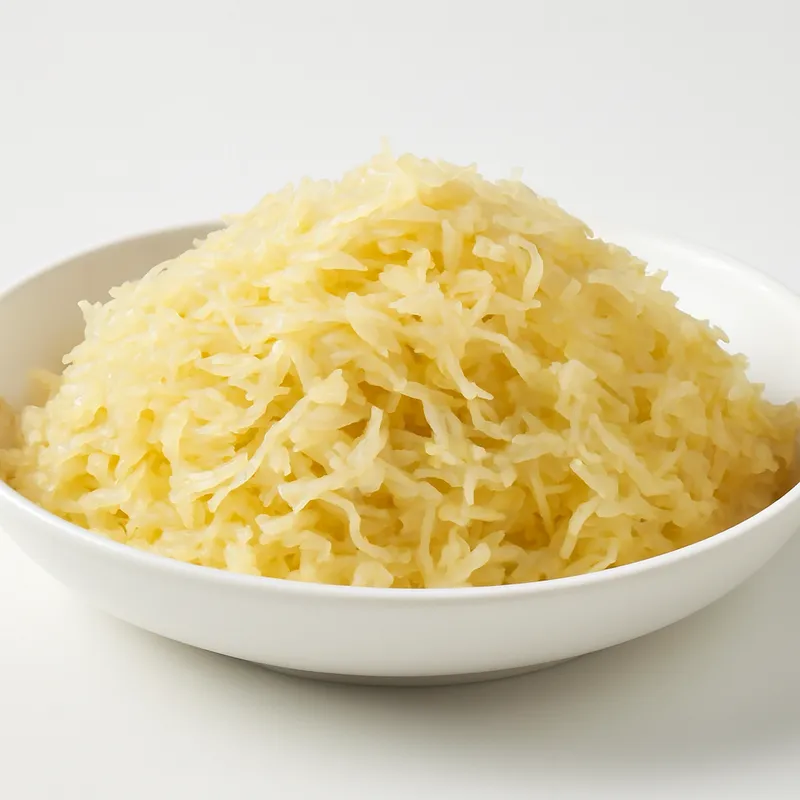
Fermented cabbage with a tang that's uniquely invigorating.
Why start here · Its distinctive tang exemplifies the German art of fermentation.
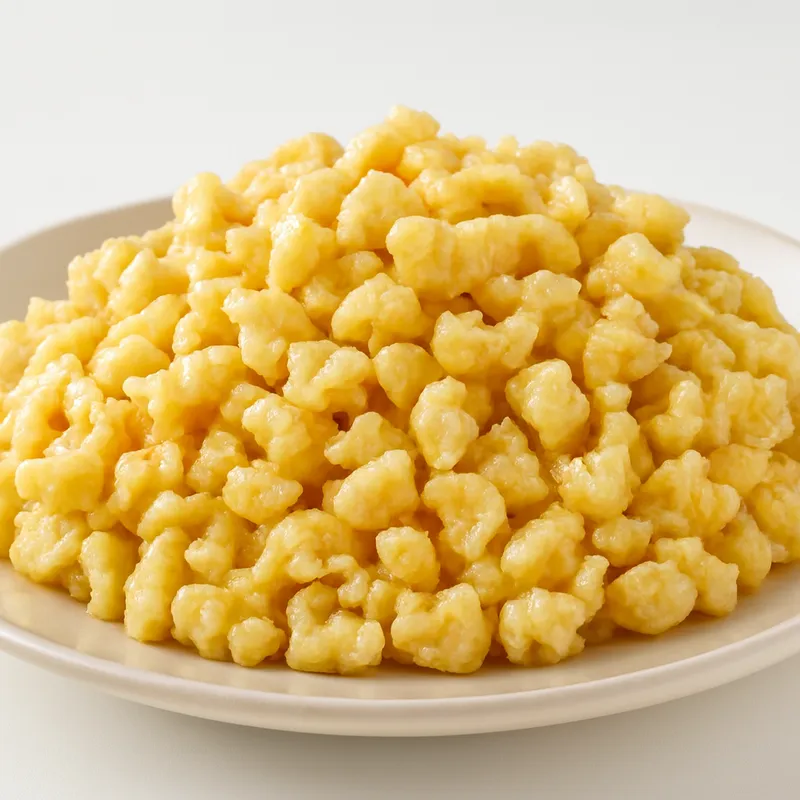
A buttery noodle delight that pairs beautifully with rich sauces.
Why start here · This dish showcases the German knack for turning simple ingredients into comfort food.
Cook First
The easiest way in


The Pantry




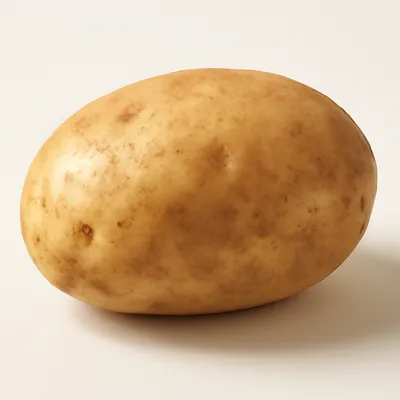

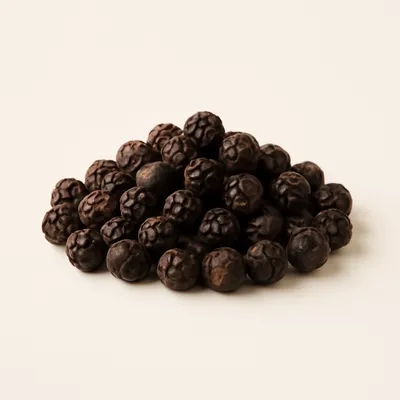
See all 242 ingredients›
Proteins
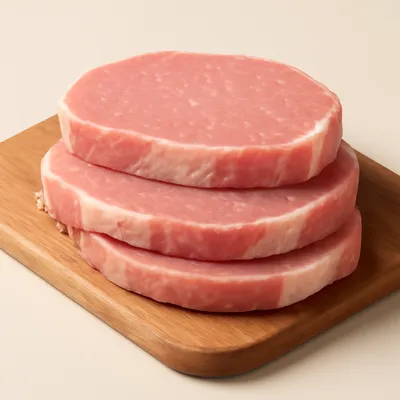












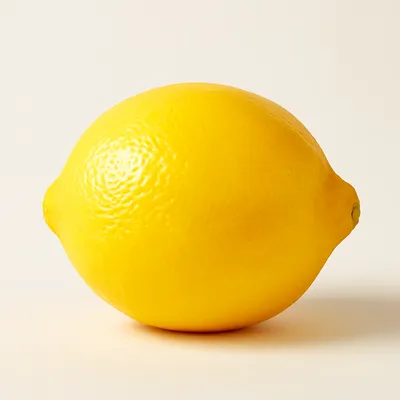
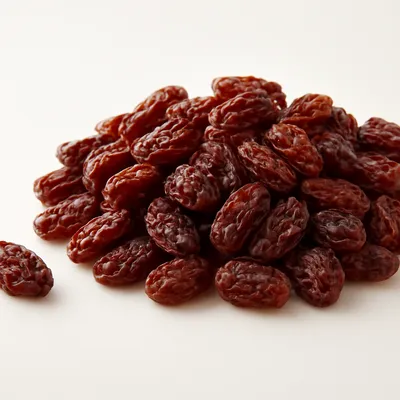


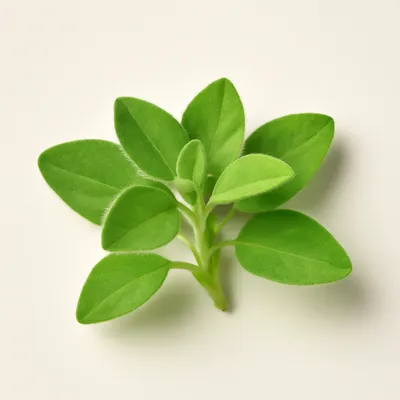


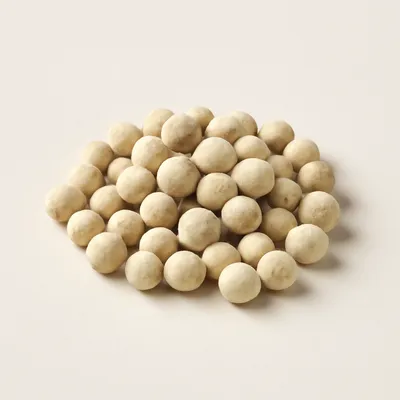

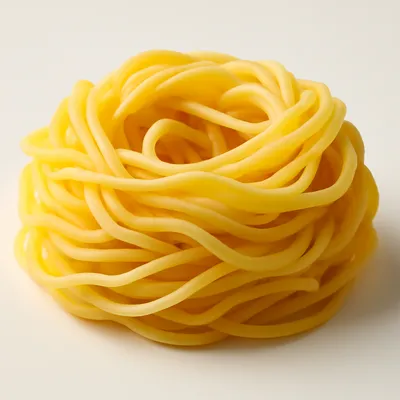
Grains & Staples













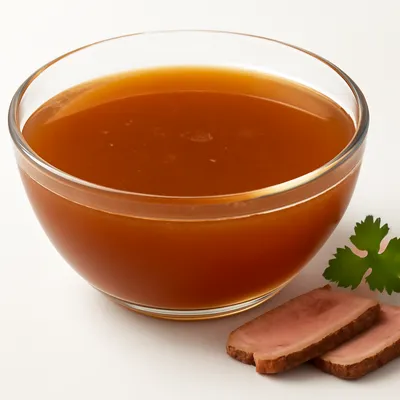
Sauces & Condiments







Seven Regions
Seven kitchens — Bavarian sausage-and-beer-garden, Swabian Spätzle-and-Maultaschen, Rhineland Himmel-un-Ääd-and-Halve-Hahn, Saxon Stollen-and-Quark, Berliner Currywurst-and-Eisbein, North German Hanseatic fish-sandwich-and-Labskaus, Hessian Grüne Soße-and-Apfelwein. Tap a region to see its table.
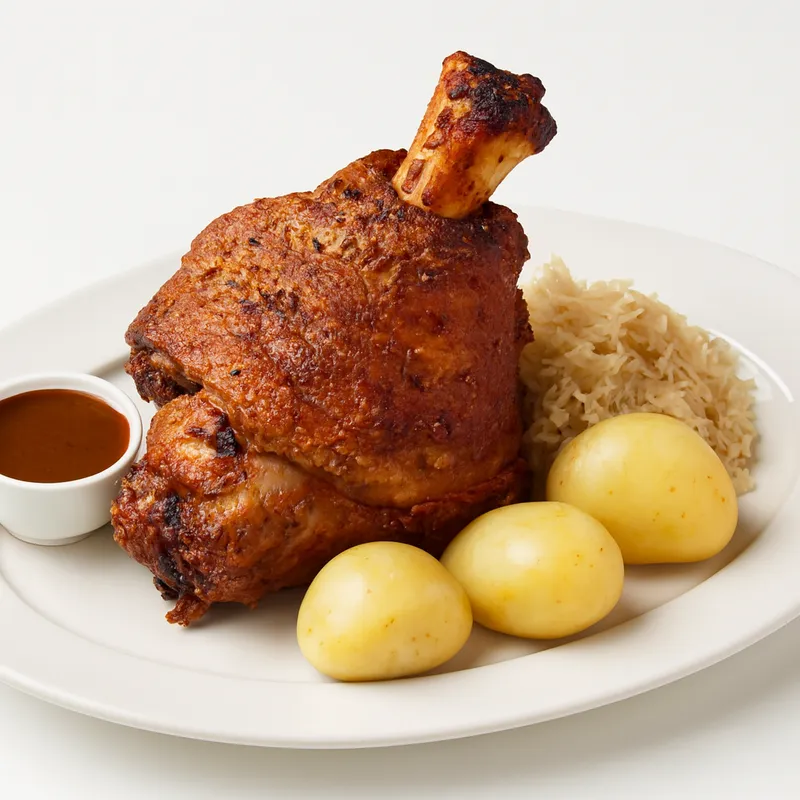
Munich-Bavaria-Alpine kitchen — the most-internationally-known German regional cuisine. Sausages (Weisswurst, Bratwurst, Leberkäse, Schweinshaxe), beer (the Reinheitsgebot heritage), dumplings (Knödel, Maultaschen), pretzels (Brezel), and Alpine dairy (Obatzda).
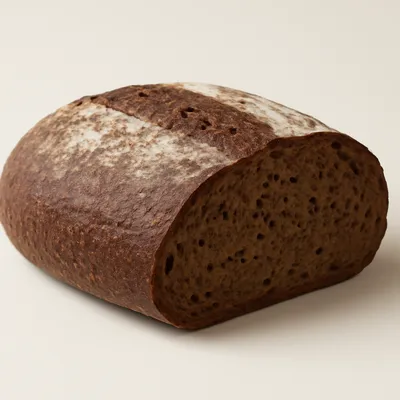
Hanseatic and North Sea kitchen — fish-heavy (Labskaus, Matjes, Fischbrötchen, Pannfisch), winter-vegetable-and-sausage stews (Grünkohl mit Pinkel, Birnen Bohnen und Speck), dark rye breads (Pumpernickel from Westphalia, Roggenbrot). Influenced by maritime trade and Scandinavian neighbors.
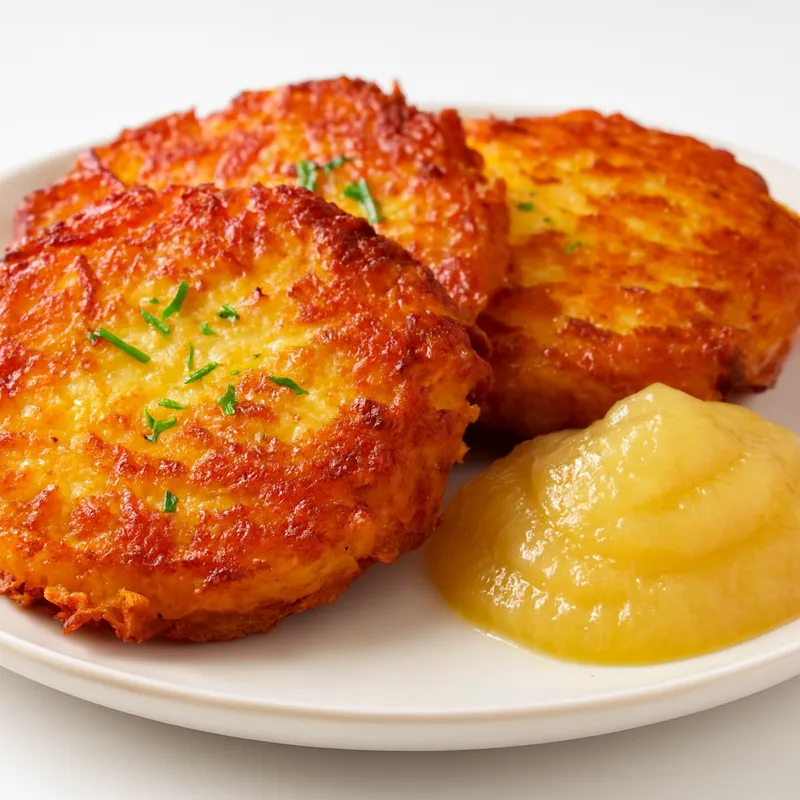
Working-class Catholic kitchen of the Rhine — Sauerbraten (marinated beef with raisin-Lebkuchen gravy), Himmel un Ääd (apple-and-potato mash with blood sausage), Halve Hahn (cheese-and-mustard rye roll), Reibekuchen (potato pancakes). Westphalia adds Pumpernickel, Pannas, Mettbrötchen. Kölsch and Altbier beer cultures.
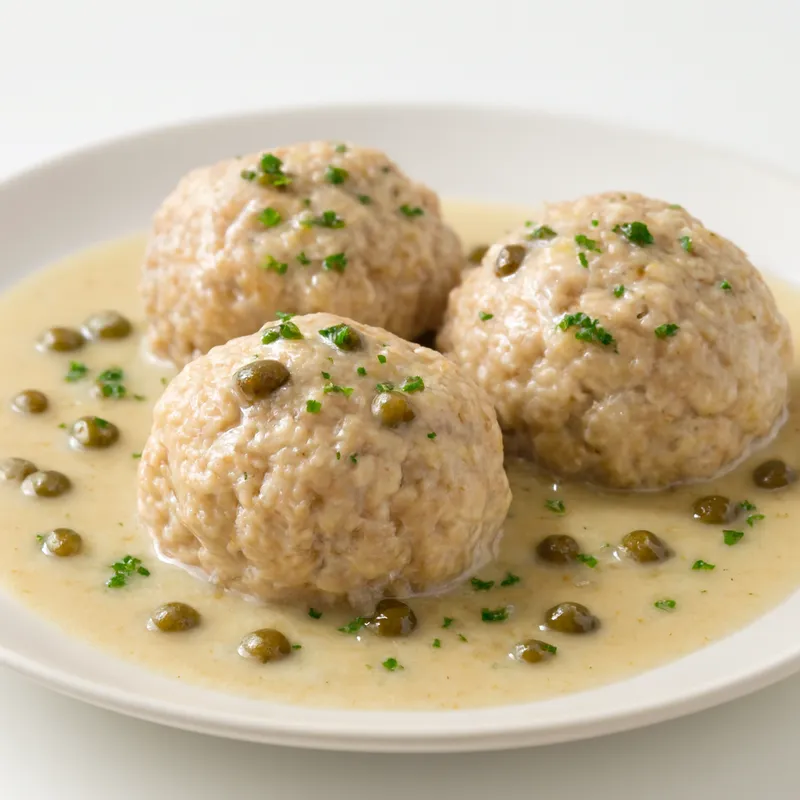
Berlin-and-Brandenburg cuisine carries the Prussian-imperial heritage — Berliner Pfannkuchen, Eisbein, Königsberger Klopse, Currywurst (the post-war Berlin invention), Kassler. Practical, hearty, working-class, with strong East-Prussian influences (the historical Königsberg cuisine).
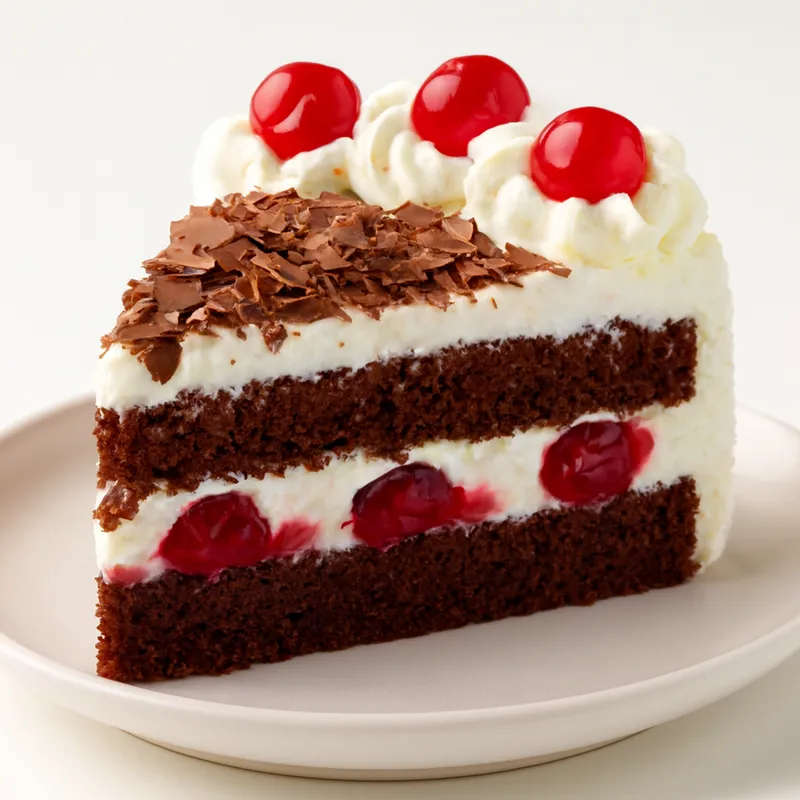
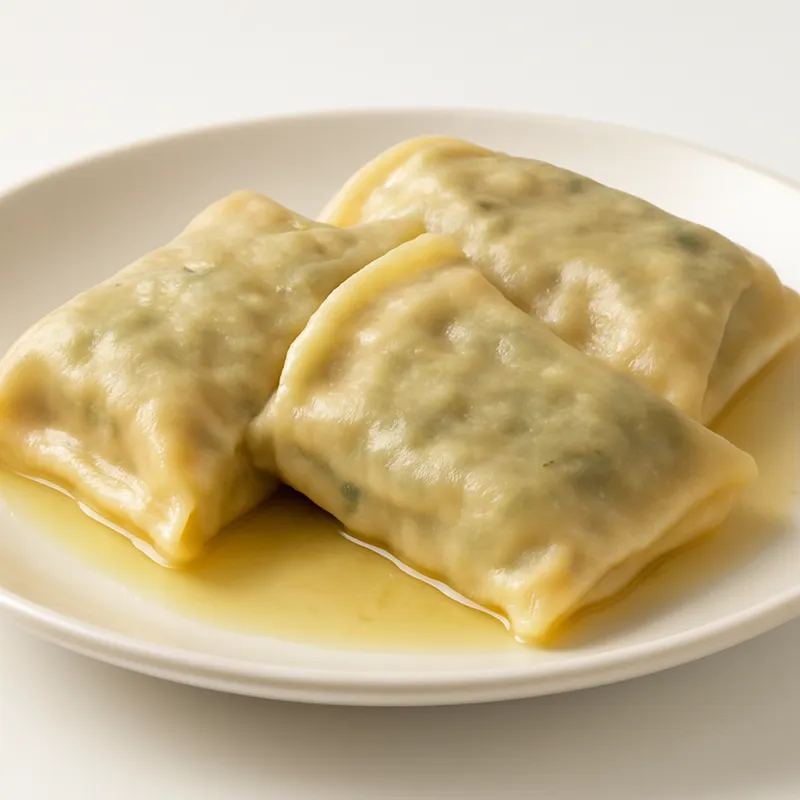
Germany's pasta tradition — Spätzle (the egg-rich short noodle), Maultaschen (Germany's only large stuffed pasta), and Schwäbischer Rostbraten with crispy Röstzwiebeln. Defining tendency toward sour-tangy flavors (Saure Kutteln, Linsen mit Spätzle und Saiten). Black Forest contributes the famous Kirschtorte.
Central German cuisine of the Hessen region — Frankfurter Würstchen, Grüne Soße (the famous 7-herb cold sauce), Handkäs mit Musik (the smelly hand-cheese with onion-vinegar marinade), Apfelwein (apple cider wine, the regional drink), Bethmännchen (Christmas marzipan biscuits). Practical, herbal, with a distinct apple-wine drinking culture.
Eastern German cuisine — Dresdner Stollen (the canonical Christmas fruitcake), Quarkkeulchen (quark-potato cakes), Leipziger Allerlei (Leipzig mixed vegetables), Dresdner Eierschecke (Dresden egg cake), and the quark dessert traditions of the Saxon kitchen.
Franconia — wine country, carp, Schäufele and Nuremberg gingerbread, distinct from beer-Bavaria.
Saarland — Schwenkbraten on the swinging grill, potato bakes and Lyoner sausage.
Thuringia — the PGI Rostbratwurst and potato Klöße heartland of the German grill.
The Palatinate (Pfalz) — Saumagen, liver dumplings and wine-country comfort food.
How They Cook
Techniques that define this cuisine
See 17 more techniques›
Baking is essential in the creation of pretzels, where the dough's transformation results in a chewy, golden crust.
Fermentation transforms humble cabbage into sauerkraut, a tangy staple that defines German meals.
Grilling infuses sausages like bratwurst with a smoky depth that amplifies their savory essence.
German Spätzle is boiled briefly, then tossed in butter and pan-fried until golden, giving it a unique texture.
Deep frying gives schnitzel its irresistibly crispy coat while keeping the meat tender.
Kindred Kitchens
Cuisines built on the same signature ingredients
Signature Dishes (162)
Browse all 162 dishes›
Drinks
12


Starters
12


Soups
5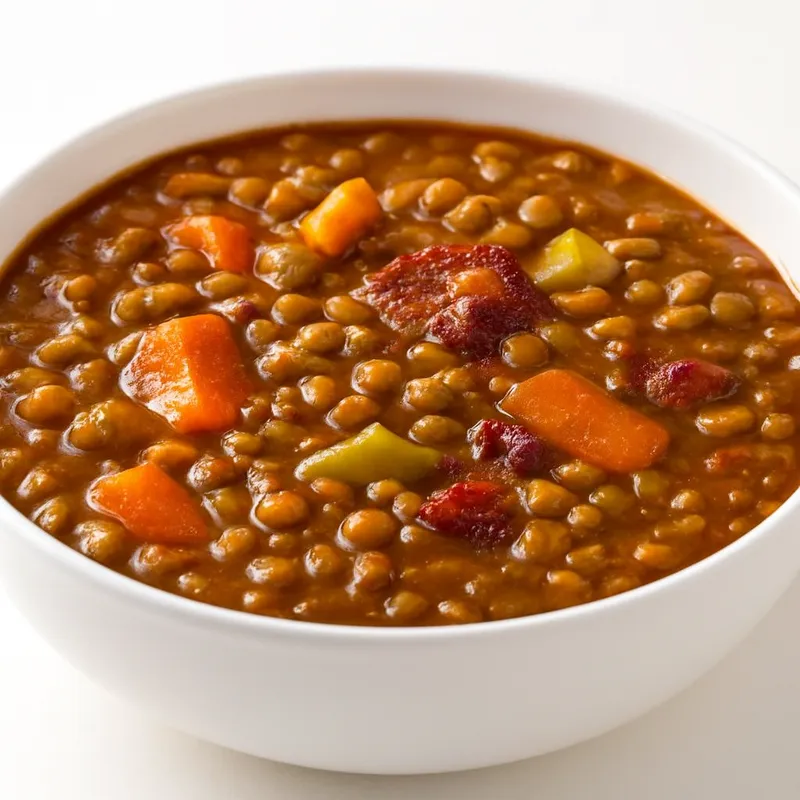
Mains
62

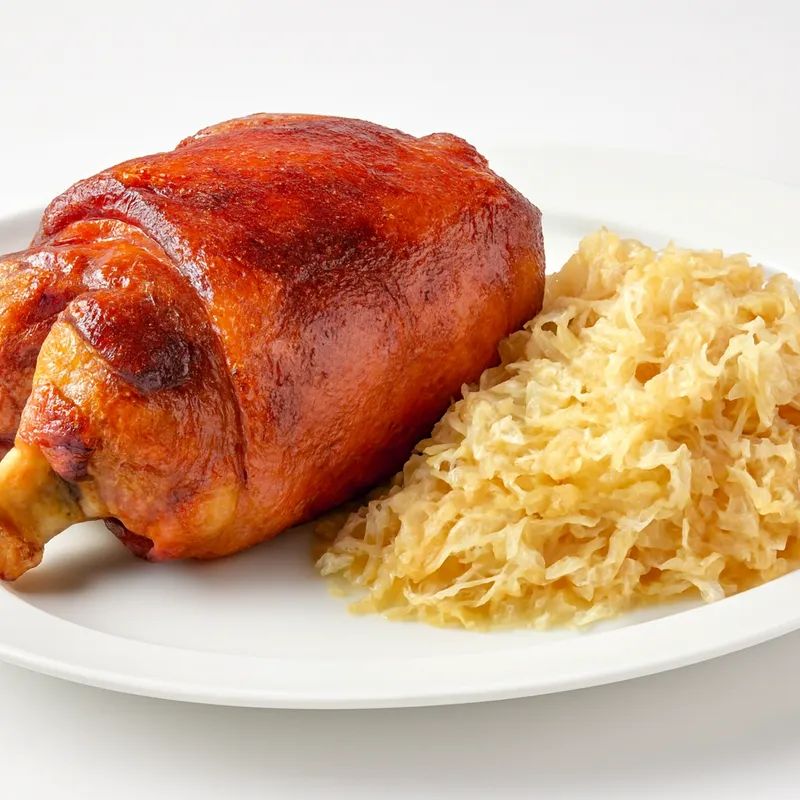








Sides
17

Sweets
27