
Rhineland-Westphalian fried meat slice — pork or beef trimmings, organ meats, and (traditionally) pig blood cooked with buckwheat or oats, onion, and spices into a loaf, refrigerated firm, then sliced 1cm thick and pan-fried crispy on both sides, served with apple sauce and rye bread — the rural Rhineland breakfast or supper staple.


Pannas (also Panhas — Westphalian variant) is the Rhineland-Westphalian peasant kitchen's brilliant solution to using every part of the pig and beef after slaughter. The dish is essentially a 'leftover loaf': pork or beef trimmings + organ meats + cooking liquid + buckwheat (Buchweizen) cooked together until thick, poured into a loaf pan, refrigerated overnight, then sliced and pan-fried. The fried slices are crispy on the outside and meaty-soft inside. The dish was originally a way to extend a small amount of meat to feed many over multiple meals — a single batch of Pannas would feed a family for several days. The buckwheat (a Slavic grain that thrived in poor Westphalian soil) provides bulk and characteristic earthy-nutty flavor. The dish is similar to American 'scrapple' (which was brought to Pennsylvania by Rhineland immigrants in the 18th century) — Pannas is its German ancestor.
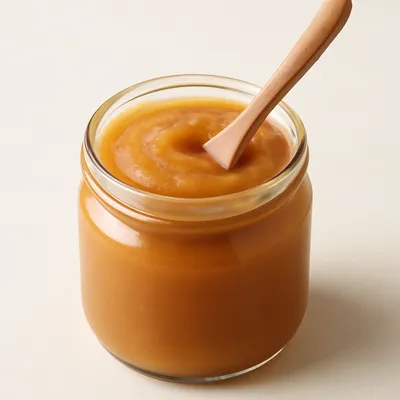
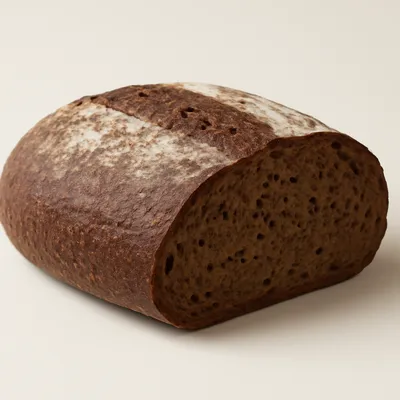
A fried Pannas slice is dramatic: outside is crispy-mahogany-brown (you can hear it crackle under the knife), inside is dense-meaty-savory with visible flecks of buckwheat (the dark specks throughout). The bite is substantial — Pannas is filling like meatloaf. The flavor is deeply pork-and-organ — even people who don't normally eat organs love Pannas because the liver flavor is mellowed by buckwheat. Apple sauce on the side is non-negotiable: its bright sweet-acid cuts through the rich meatiness. A piece of dark rye bread to scoop with completes the dish. Two slices is breakfast; three is supper.
Pannas's structure depends on the buckwheat's high amylose starch content — when cooked into broth, it gels strongly and traps the meat fragments. After refrigeration, the gel firms into a sliceable loaf that holds together during frying. Without buckwheat, the mixture would fall apart. The overnight chilling step is non-negotiable — warm Pannas falls apart when fried; only the chilled-and-firm state slices cleanly. The double-cook (boil + fry) is functional: boiling creates the structure, frying creates the crust. American scrapple uses cornmeal instead of buckwheat and typically omits the blood, seasoned mainly with sage and pepper — different texture, similar dish concept.
Variations
Westphalian Panhas uses pork + liver + lots of buckwheat; Rhineland Pannas can use beef + pork combo; Bergisches Land variant adds dark sausage trimmings; modern Westphalian butchers sell pre-made Pannas in supermarkets (acceptable for the lazy); a vegetarian Pannas using mushroom-and-buckwheat exists but is essentially a different dish; American scrapple is the direct descendant brought by 18th-century Rhineland immigrants to Pennsylvania; the dish is breakfast-or-supper food, never lunch (a Rhineland convention).
On the Palate
Where Pannas sits in the German flavor cloud
Ingredients
Serves 6


How it's made
8 steps · 1 hour active + 11 hours waiting
- 198 min
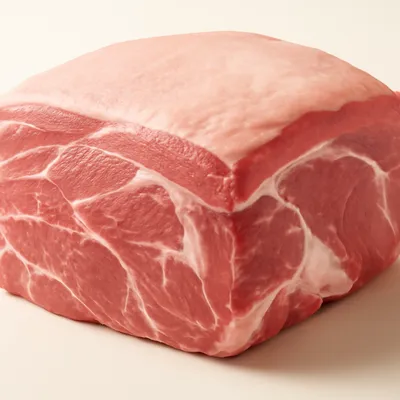
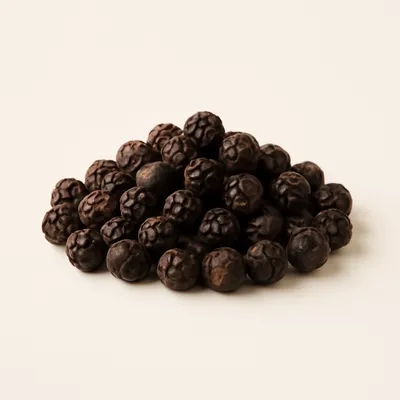
Day before: in a heavy pot, combine 500g pork shoulder or beef chuck (cut into chunks) + 200g pork liver (optional but traditional) + 1 large onion (chopped) + 1 carrot + 1 bay leaf + 1 tsp salt + 1 tsp black pepper + a few peppercorns + 1.5L water. Bring to a boil; reduce heat; simmer 90 min until meat is fork-tender.
- 28 min
Remove meat and liver; finely chop or grind. Strain the broth; reserve 800ml of the cooking liquid. Discard the bay and most of the vegetables.
- 328 min
Return the broth to the pot. Bring to a simmer. Slowly whisk in 200g raw buckwheat groats (Buchweizen) — stirring constantly to prevent lumps. Cook over low heat, stirring frequently, 25 min until the buckwheat is fully cooked and the mixture is very thick (like polenta).
Watch outWhisk the buckwheat in slowly and keep stirring — it cooks down to a stiff polenta that pulls away from the pot; if it still slumps, it hasn't set enough to slice later.
- 48 min
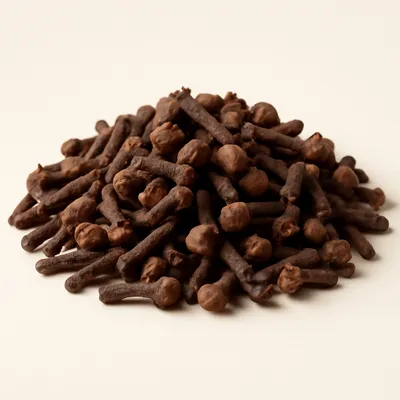
Add the chopped meat and liver back into the buckwheat. Stir in 2 tsp ground caraway + 1/2 tsp ground allspice + 1/4 tsp ground cloves + 1 grated onion + 1 tsp salt + 1/2 tsp black pepper. Cook 5 min more to integrate, stirring constantly. The mixture should be very stiff — like thick mashed potatoes.
- 5485 min
Line a 1.5L loaf pan with parchment paper (overhanging the edges). Press the Pannas mixture into the pan, smoothing the top. Cover with another parchment sheet; refrigerate overnight (8+ hours) until completely firm.
Watch outChill overnight until dead firm — warm or soft Pannas falls apart in the pan, only a fully-set loaf slices clean.
- 65 min
Next day: turn the firm Pannas loaf out of the pan; remove parchment. Slice into 1-1.5cm thick rectangles or wedges.
- 712 min
Pan-fry: heat 2 tbsp neutral oil or lard in a heavy skillet over medium-high heat. Add the Pannas slices in a single layer; do not crowd. Fry 4 min per side until deep golden-brown and crispy on both sides. Work in batches.
Watch outDon't move the slices too soon — leave them till the underside is deep golden and crusted, then flip; a pale, sticky crust means you rushed it.
- 85 min
Serve immediately, hot, on warm plates with apple sauce (Apfelmus, mandatory side), a slice of dark rye bread, and a small dish of medium-mild mustard. Pannas is breakfast food on Sundays or supper food during the week. Pair with strong black coffee for breakfast, or with Kölsch beer for supper.
Archive tool suggestions — not reviewed
These legacy suggestions have not been evidence-reviewed and are not presented as required tools.
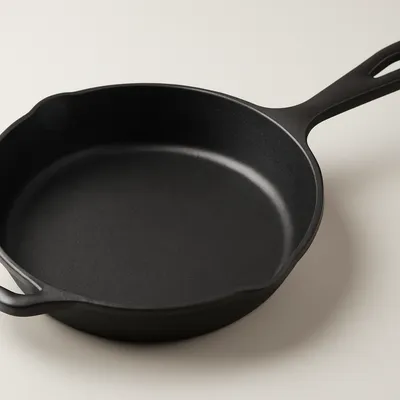
A heavy, single-piece cast iron pan, 25-30 cm across, weighing 1.5-2.5 kg. Once preheated, the thick mass holds 230°C+ even when a cold steak hits the surface — that's the secret to a deep crust. A well-seasoned skillet (multiple thin layers of polymerized oil baked into the iron) is essentially nonstick, gets better with use, and lasts a century. Lodge skillets from Tennessee have been in continuous production since 1896.

Hand-held wire loop tool for beating eggs, whipping cream, emulsifying dressings, and incorporating air into batters. Balloon whisks (large round head) for whipping cream and meringues; French whisks (narrow tear-drop) for sauces in pots; flat whisks (gravy) for pan sauces. Stainless steel is universal; silicone-coated for non-stick pans.


