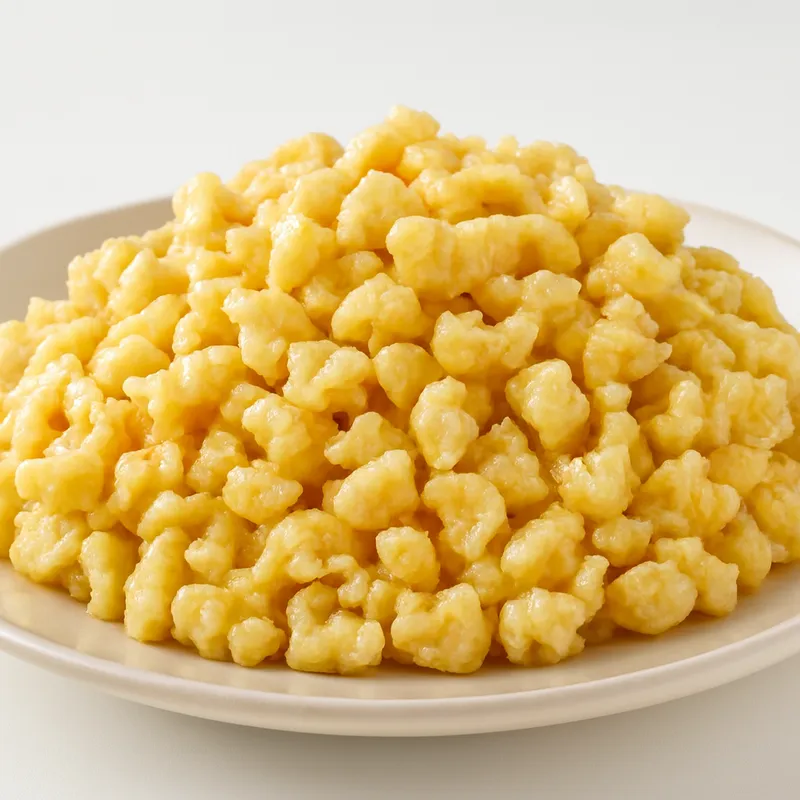
Swabian sour tripe stew — pre-cooked beef tripe slow-simmered in a sour roux-thickened broth with vinegar, onion, bay, juniper berries and white wine, served with browned spätzle or boiled potatoes — the iconic working-class Swabian dish.





Saure Kutteln has been on Swabian working-class tables for centuries — tripe was the cheapest beef offcut, and the long-simmer-in-vinegar technique transformed it into a hearty winter dish. The 'sour' (saure) comes from a generous splash of cider vinegar or white-wine vinegar added in the final stage; this acidity is the dish's signature. The thickening is done via a Mehlschwitze (roux-and-broth) — a Central European thickening technique inherited from French sauce-making. The dish was traditionally cooked on Fridays (no meat — tripe was considered offal, not 'real' meat under some Catholic interpretations) and served with mashed potatoes or boiled new potatoes. Modern Swabian restaurants serve it with browned Spätzle, which absorb the sour sauce beautifully.
Saure Kutteln is unlike anything else in German cooking — it's an aggressive sour-savory taste that takes adjustment for newcomers. The tripe is incredibly tender (after 60 min of simmering), with the slightly unusual organ-meat texture that some love and some dislike. The sauce is glossy, sour-tangy from vinegar, with woodsy notes from juniper berries that make the dish feel Alpine. Spätzle browned in butter underneath soak up the sauce and become the supporting element. This is the dish where Swabians take a stand: 'either you love sour or you'll hate this.' A glass of dry white wine helps; sips of crisp Riesling reset the palate between bites.
Tripe's distinctive texture comes from its high collagen content + low fat — long simmering breaks down the collagen into gelatin, which softens the tissue but doesn't dissolve it. The vinegar (acidic at pH 2.5) actually accelerates collagen breakdown — acid hydrolysis. The Mehlschwitze (roux + broth) provides thickening via gelatinized starch; the longer roux cooks (low heat for 3 min in this recipe), the more nutty-amber the resulting sauce. Juniper berries contribute α-pinene and myrcene terpenes that complement game-like flavors — a traditional pairing with offal across European cooking.
Variations
Stuttgart canonical with juniper + cider vinegar + Spätzle; Bavarian variant uses less juniper and adds caraway; modern restaurants often use only white-wine vinegar (less pungent than cider); home cooks save time by using pre-cooked tripe from butchers (essential for reasonable cooking time); commercial canned Saure Kutteln exists for nostalgia but the texture suffers; vegetarian alternatives use king-oyster mushroom strips (acceptable substitute for the chewy texture, but the flavor character is different).
On the Palate
Where Saure Kutteln sits in the German flavor cloud
Ingredients
Serves 4






How it's made
9 steps · 1 hour active + 2 hours 20 min waiting
- 110 min
Buy 800g pre-cooked beef tripe (sold pre-cooked at most German/European butchers; if buying raw, you need to blanch it 3 times and simmer 2.5 hours first). Slice the tripe into 0.5cm-wide ribbons, about 5cm long.
- 29 min
In a heavy pot, melt 30g butter + 2 tbsp olive oil over medium heat. Add 2 finely diced onions + 3 minced garlic cloves; sauté 8 min until soft and golden.
Watch outTake the onions all the way to soft and golden before the tripe goes in — this is the sweet base that balances all the vinegar to come.
- 35 min
Add the tripe ribbons; stir 5 min to combine with the onions.
- 47 min
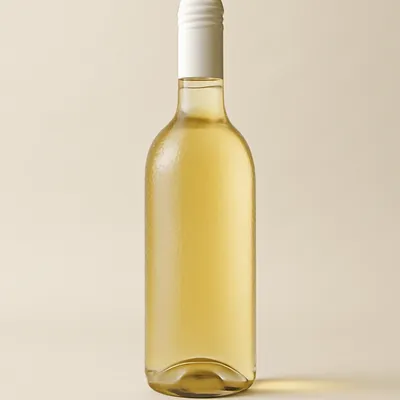
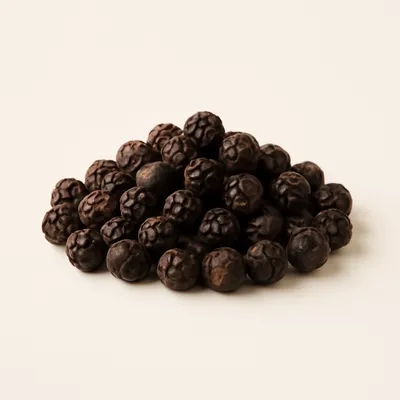
Add 200ml dry white wine + 100ml white wine vinegar + 500ml beef or vegetable stock + 2 bay leaves + 6 juniper berries (lightly crushed) + 6 whole black peppercorns + 1 tsp salt. Bring to a simmer.
- 565 min
Cover; reduce heat; simmer 60 min, stirring occasionally. The tripe should become very tender and absorb the sour-aromatic flavor.
Watch outSimmer until a ribbon of tripe gives easily when you bite it — springy but no longer rubbery is the sign the collagen has let go.
- 68 min
Make Mehlschwitze (roux): in a separate small pan, melt 30g butter; whisk in 3 tbsp flour; cook 3 min over low heat until pale golden. Whisk in 200ml hot broth from the tripe pot, stirring constantly to make a smooth thick paste.
Watch outCook the roux only to pale straw and nutty-smelling — let it go too dark and the sauce turns bitter instead of silky.
- 717 min
Whisk the Mehlschwitze back into the tripe pot. Add another 2 tbsp white wine vinegar + 1 tsp sugar + 1/2 tsp ground black pepper. Simmer 15 min more, stirring frequently, until the sauce coats the back of a spoon. Adjust salt and vinegar (the dish should be noticeably sour but balanced).
Watch outIt's ready when the sauce clings to the back of a spoon and tastes clearly sour but not sharp — add vinegar in small splashes and taste.
- 84 min
Discard bay leaves and as many juniper berries as you can find. Off heat. Stir in 1 tbsp chopped fresh parsley.
- 98 min
Serve hot in deep bowls, ladled over either browned Spätzle (toss cooked Spätzle in 2 tbsp butter in a hot pan until golden) or boiled new potatoes. A glass of crisp Swabian Riesling or Trollinger is the canonical pairing.
Archive tool suggestions — not reviewed
These legacy suggestions have not been evidence-reviewed and are not presented as required tools.