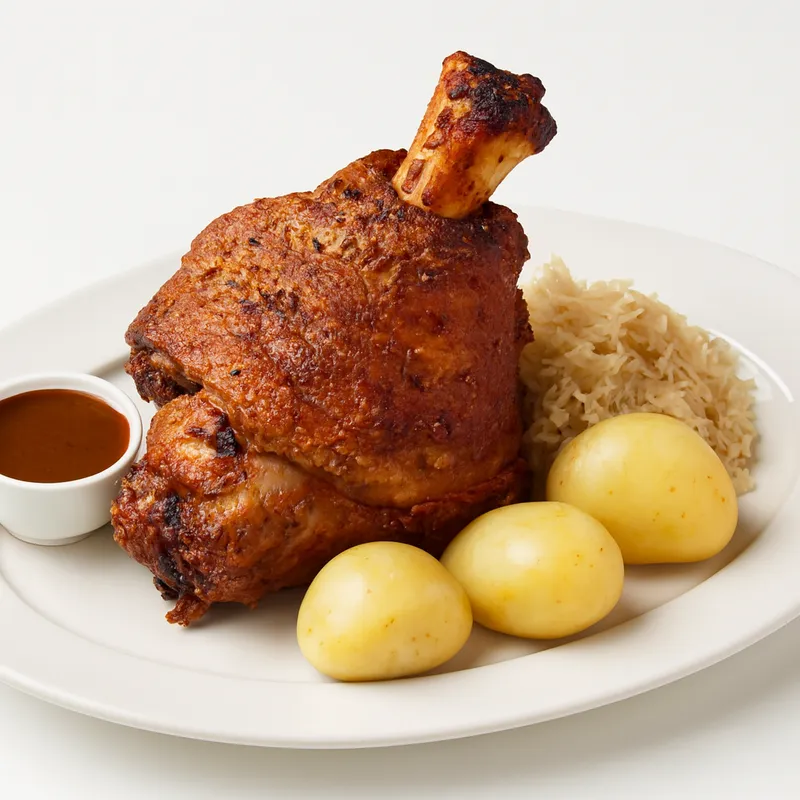
Berlin cured-and-smoked pork — pork neck or loin wet-cured in salt-and-spice brine, cold-smoked over beech wood, sliced thick and pan-seared or oven-roasted, served with sauerkraut, mashed potatoes and a tangy mustard cream — the Berlin Sunday dinner staple.





Kassler is the iconic Northern German cured pork preparation, strongly associated with Berlin. By the popular (but unproven) legend, it is named after a Berlin butcher called Cassel who devised the cure around 1880 — the spelling 'Kassler' being taken to point to this butcher rather than to the similarly-named city of Kassel in Hesse. The story is disputed, however: 19th-century records of Berlin residents show no butcher named Cassel or Kassel, so neither the inventor nor the exact origin can be confirmed. Cassel's innovation was the wet-brine + cold-smoke combination, which produced a pork loin that was fully-cured and lightly-smoked but still required cooking (unlike fully-cooked ham). The dish quickly spread across Northern Germany and is now found in every German butcher shop. The pre-cured Kassler is sold ready-to-cook in 1kg chunks; the home cook just slices and reheats. The dish became Berlin's Sunday dinner standard in the early 20th century. Modern Berliners eat Kassler at least monthly; the dish is also popular at Easter (a substitute for Lamb).
Cut into Kassler with knife and fork: the deep-pink cured-and-smoked pork is fork-tender and intensely savory — saltier than fresh pork, with a subtle beech-wood smoke aroma. Take a bite with sauerkraut + a smear of mustard cream: the salt-cured pork balances the tangy fermented cabbage, the mustard cream adds creamy-spicy depth. The mashed potatoes underneath soak up the juices. The flavor combination is the Berlin Sunday dinner heart — three elements that work as a single proposition. Berliners eat this with great seriousness; complaints about overcooked Kassler (which gets dry quickly) are heard in every Berlin home around 7pm.
Pre-cured Kassler is already fully-flavored and partially-cooked from the brining + smoking process, so home cooking is primarily a reheat-and-brown operation. Overcooking is the universal mistake — the cured pork has lower water content than fresh, so it dries quickly. The juniper-and-caraway in the sauerkraut braising is the Berlin signature — these spices echo the brine used to cure the Kassler originally. Mustard cream provides fat and acid contrast to the salty meat; without it, the dish tastes one-note. The dish is essentially impossible to make from scratch in a home kitchen (no cold-smoking setup); buying pre-cured is the only realistic option.
Variations
Berlin canonical with sauerkraut + mustard cream + mashed potatoes; Brandenburg variant uses red cabbage instead of sauerkraut; Easter version sometimes uses bone-in Kassler (Kassler-Kotelett, Kassler chops) — more flavorful; modern Berlin restaurants offer 'Kassler im Bierofen' (Kassler in beer oven, slow-roasted in dark beer); commercial sliced Kassler from deli counters is acceptable for quick weeknight cooking; the dish is impossible to recreate properly outside Germany — equivalent cures like American cured ham are sweeter and lack the smoke profile.
On the Palate
Where Kassler sits in the German flavor cloud
Ingredients
Serves 4



How it's made
8 steps · 25 min active + 50 min waiting
- 12 min
Note: making Kassler from scratch requires a 5-7 day wet brine + cold smoking, which is impractical for home cooks. Buy pre-cured Kassler (Kassleristück, sold at German butchers / online) about 1kg in size. If unavailable, substitute with a lightly-cured smoked pork loin or unsmoked-cured ham roast.
- 23 min
Take a 1kg Kassler loin (pre-cured and lightly smoked, ready to cook). Pat dry. The meat should be deep pink with a slightly smoky aroma.
- 34 min
Slice into 4 thick slices (~2.5cm thick, ~250g each), against the grain.
- 416 min
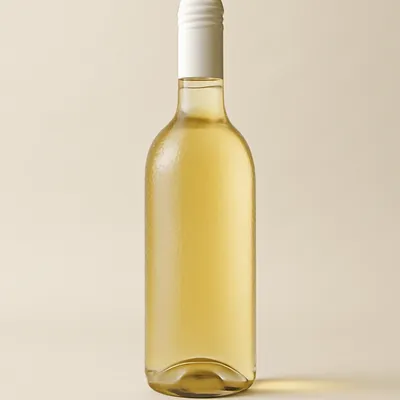
Prepare braising vegetables: heat 2 tbsp butter in a wide skillet; sauté 1 sliced onion + 2 minced garlic cloves 5 min. Add 200g sauerkraut (drained) + 100ml dry white wine + 1 bay leaf + 5 juniper berries + 1 tsp caraway seeds + a pinch of sugar. Cook 10 min until the sauerkraut is heated through and slightly caramelized.
- 57 min
Push the sauerkraut to one side of the pan. Add the Kassler slices to the cleared side; sear 3 min per side until golden-brown crust forms (the pre-cured meat browns quickly).
Watch outSear only until a real golden crust sets, about 3 minutes a side — the cured meat colors fast, so watch it, don't walk away.
- 610 min
Reduce heat to medium-low; cover the pan; cook 8-10 min more until the Kassler is heated through (internal 60°C — the meat is already cured so doesn't need to reach high temp). Don't overcook — Kassler dries out easily.
Watch outPull it the moment the center is just hot through — Kassler is already cured, so any extra time on the heat only dries it to a chalky, salty chew.
- 75 min
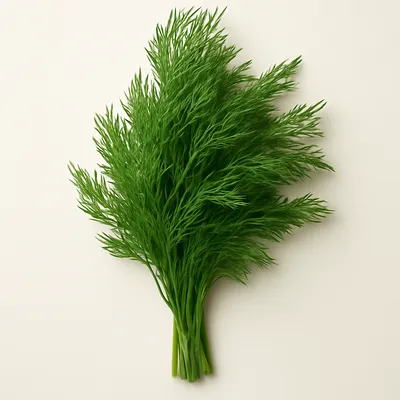
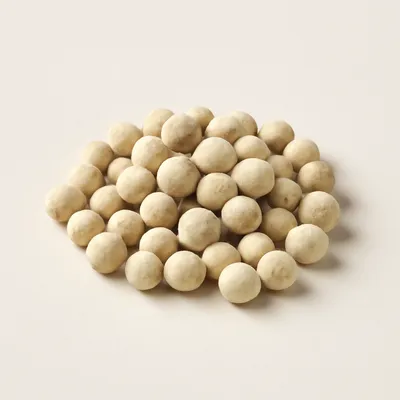
Make mustard cream sauce: in a small bowl, whisk 100ml crème fraîche + 2 tbsp Dijon mustard + 1 tbsp grain mustard + 1 tsp honey + 1 tbsp chopped fresh dill + 1/4 tsp white pepper. Adjust to taste.
Watch outTaste the mustard cream against the salty pork — it should hit sharp and tangy enough to cut the salt; if it feels flat, add a touch more mustard.
- 85 min
Plate: place a generous portion of sauerkraut on each warm plate; lay 1 Kassler slice on top; spoon a small puddle of mustard cream alongside. Serve with mashed potatoes (made with butter, milk, salt + nutmeg) on the side. A glass of crisp dry Riesling or a Pilsner beer is the canonical pairing.
Archive tool suggestions — not reviewed
These legacy suggestions have not been evidence-reviewed and are not presented as required tools.

A heavy, single-piece cast iron pan, 25-30 cm across, weighing 1.5-2.5 kg. Once preheated, the thick mass holds 230°C+ even when a cold steak hits the surface — that's the secret to a deep crust. A well-seasoned skillet (multiple thin layers of polymerized oil baked into the iron) is essentially nonstick, gets better with use, and lasts a century. Lodge skillets from Tennessee have been in continuous production since 1896.

Hand-held wire loop tool for beating eggs, whipping cream, emulsifying dressings, and incorporating air into batters. Balloon whisks (large round head) for whipping cream and meringues; French whisks (narrow tear-drop) for sauces in pots; flat whisks (gravy) for pan sauces. Stainless steel is universal; silicone-coated for non-stick pans.