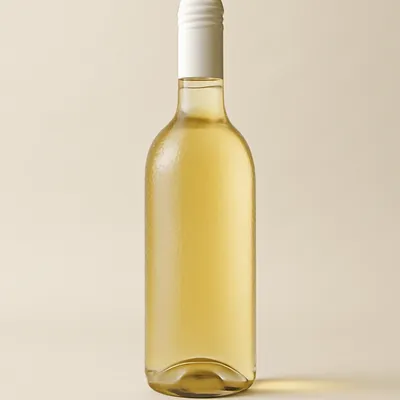
A Flemish Brabant game classic: pheasant browned in butter and braised with Belgian endive in white wine and stock until the lean bird is succulent and the endive has surrendered its bitterness to a golden, lightly caramelized sauce; served with potato or celeriac purée.
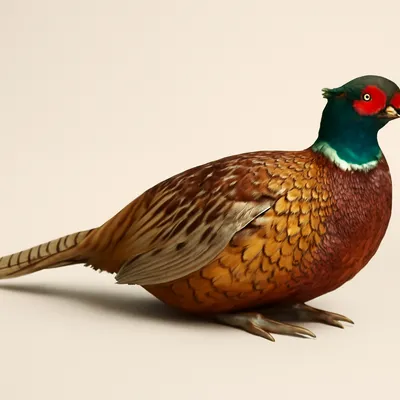
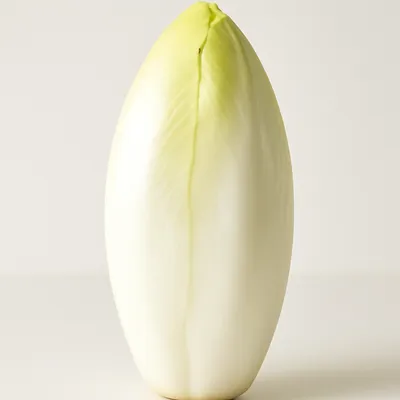



Game cooking in the Brabant region—encompassing the fertile belt between Brussels and Leuven—has been documented since the Burgundian court period of the 15th century, when pheasant was a prestige bird reserved for aristocratic hunting parties. The pairing of pheasant with Belgian endive is a distinctly later and local innovation: witloof was first cultivated commercially from the 1830s onwards by horticulturists working near the Brussels Royal Botanical Garden under director Frans Bresiers, and first sold on Brussels markets in 1867. Marrying this newly cultivated local vegetable with the ancient Brabantine pheasant tradition created the dish known as fazant à la brabançonne, documented in Flemish regional cookbooks and still served in Brabant restaurants and farmhouse inns during the autumn hunting season.
Lean, faintly gamey pheasant meat set against soft, sweetened endive; butter-enriched cooking juices pool into a golden, herbaceous sauce that knits the two together.
Pheasant is a lean game bird with minimal intramuscular fat, making it prone to drying out at high heat. The covered braise at 160–170℃ traps moisture around the meat, preventing rapid water loss; internal breast temperature should not exceed 72–74℃. Belgian endive contains inulin (a fructose polysaccharide) and sesquiterpene lactones (the principal bitter compounds); during braising these bitter lactones partially degrade under sustained heat, while the seared cut surfaces caramelize via inulin browning, converting harsh raw bitterness into a mild, slightly sweet undertone. Initial butter-searing of the pheasant skin generates Maillard pyrazines and furans that persist into the final sauce.
Variations
Some Brabant versions wrap endive heads around the pheasant legs during the braise; celeriac purée or potato purée are the classic accompaniments; a richer finish adds cream or crème fraîche to the sauce; guinea fowl or partridge are excellent substitutes.
On the Palate
Where Fazant op Brabantse wijze sits in the Belgian flavor cloud
Ingredients
Serves 2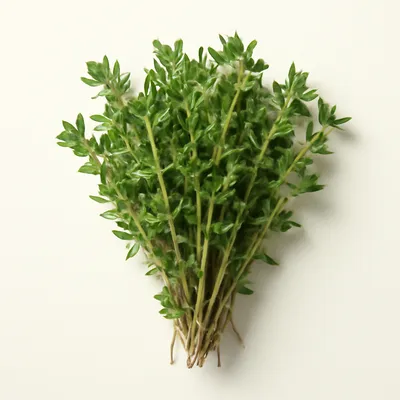


How it's made
7 steps · 15 min
- 15 min
Season the pheasant inside and out generously with salt and pepper; truss the legs together with kitchen twine.
- 210 min
In a heavy casserole, melt butter over medium-high heat until foaming; brown the pheasant on all sides until golden, about 8–10 minutes total; remove and set aside.
Watch outBrown the pheasant on all sides first — this lean game bird has little fat, so the seared crust is where most of the flavor and color come from before the gentle braise.
- 35 min
Halve the endive heads lengthwise; place cut-side-down in the same butter over medium-high heat; sear without moving for 2–3 minutes until lightly caramelized.
- 45 min
Add finely diced onion and garlic; cook 2 minutes; pour in the dry white wine, scraping the pan bottom; add chicken stock, thyme sprigs, and bay leaf.
- 53 min
Nestle the pheasant breast-side-up in the casserole with the endive arranged around it; bring the liquid to a gentle simmer.
- 655 min
Cover with a tight lid and braise in a 165℃ oven for 45–55 minutes until the breast meat registers 72℃ at the thickest point and the thigh juices run clear.
Watch outBraise covered until the breast reads about seventy-two degrees and the thigh juices run clear — pheasant dries out fast, so pull it right at that mark, not beyond.
- 712 min
Rest the pheasant uncovered for 8–10 minutes; carve; swirl a knob of butter into the reduced braising juices; serve alongside potato or celeriac purée.
