A Marche Sunday dish of chicken cut into joints and cooked 'in potacchio', browned in olive oil then simmered down in a tight sauce of whole unpeeled garlic, plenty of rosemary, white wine and just a little tomato. Kept over a lively flame, the bird finishes browned, glossy and fragrant in a reduced intingolo rather than pale and stewed, the pan sauce mopped up with bread.
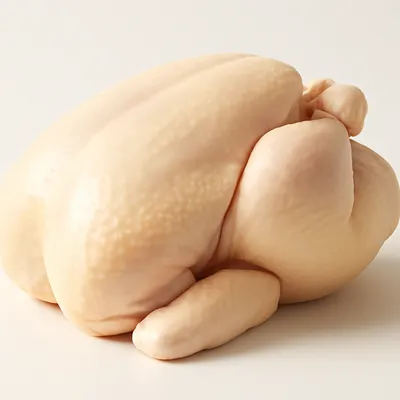


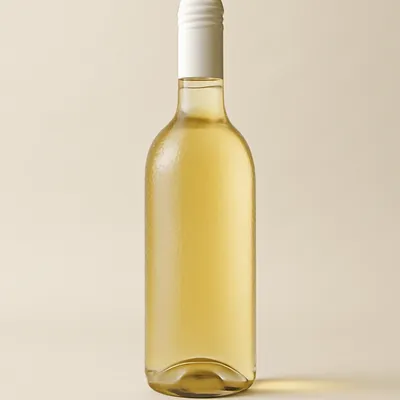


'In potacchio' is one of the typical cooking methods of the Marche, a brisk braise in which meat is browned and then reduced in a sauce of garlic, rosemary, white wine and olive oil, with a little tomato added in later versions. The name's root is debated: it is often linked to the French potage and the Latin potare, 'to drink', pointing to a soupy base, though some trace it instead to a Germanic word for the cooking pot. The method is applied across the region to rabbit, lamb and above all chicken, the pollo version being a classic of the Sunday table, particularly around Ancona.
The chicken is deeply browned outside and juicy within, the joints tender to the bone, coated in a thick, oily garlic-and-rosemary sauce. Each bite carries the resin of rosemary, the mellow sweetness of softened whole garlic, the sharp lift of white wine and a faint tomato roundness, all clinging to the skin rather than diluted in broth.
Searing the chicken in hot olive oil drives the Maillard reaction, where surface proteins and sugars react above about 140 °C to build a browned crust and a deep savoury aroma. The garlic is left whole in its skin so it heats gently and its allicin converts to milder, sweeter sulphur compounds instead of scorching to bitterness. Rosemary's fat-soluble oils, chiefly cineole, pinene and camphor, dissolve into the olive oil and perfume the meat, while the white wine deglazes the browned pan residues and its acids brighten the sauce as the alcohol boils off. A little tomato adds glutamate and a gentle acidity. Because the pan is kept hot and only lightly wetted, water evaporates fast and the sauce reduces and concentrates, keeping the chicken's surface browning rather than poaching, while collagen in the joints melts to gelatin and gives the intingolo its clinging body.
Variations
Some cooks add a pinch of dried chilli for heat, or more tomato for a redder sauce; others keep it entirely 'in bianco' without any tomato. A little guanciale or onion may be sweated at the start. The same potacchio is famously made with rabbit (coniglio in potacchio) and with lamb, and potatoes are sometimes browned in the sauce to finish. Best served with bread or soft polenta to catch the intingolo.
On the Palate
Where Pollo in Potacchio sits in the Italian flavor cloud
Ingredients
Serves 4

How it's made
7 steps · 20 min
- 115 min
Joint a whole chicken into 8–10 pieces; pat dry and season with salt and pepper.
- 25 min
Warm olive oil in a wide, heavy pan (traditionally an earthenware coccio) with whole unpeeled garlic cloves and rosemary sprigs over medium-high heat.
- 310 min
Add the chicken skin-side down and brown well on all sides over a lively flame until deeply golden.
Watch outBrown the chicken deep and hard on every side before the wine goes in — that seared crust is where the whole dish's savour comes from.
- 45 min
Pour in the white wine and let it bubble hard, scraping the browned residues from the base, until the alcohol has largely evaporated.
Watch outLet the wine bubble hard and scrape up the browned bits until the raw alcohol smell is gone — leave it and the sauce tastes sharp and boozy.
- 53 min
Stir in a little peeled tomato or passata and a splash of hot water or broth, then season.
- 635 min
Cook uncovered or partly covered over brisk heat, turning the pieces, until the chicken is cooked through and the sauce has reduced to a thick, glossy intingolo, about 30–40 minutes.
Watch outReduce until the sauce turns thick and glossy and clings to the chicken — a thin, watery intingolo means it needs a few more minutes uncovered.
- 73 min
Rest briefly, adjust the salt and serve hot with the whole soft garlic and plenty of bread.


