


Marchigian
Adriatic-meets-Apennine — stuffed olives, layered lasagna, stockfish, pressed salami, deeply terroir-bound.
Olive all'Ascolana
Marche-region stuffed-and-fried olives
View page →Marchigian cuisine — from the Marche region between Umbria's mountains and the Adriatic coast — has a binary character: coastal (Pescara, Ancona, Pesaro) brings Mediterranean seafood traditions; inland (Macerata, Ascoli Piceno, Fermo, Camerino) brings Apennine pastoralism and charcuterie. The two halves meet in dishes like vincisgrassi (a baroque lasagna whose offal-and-prosciutto ragù sits between layers of vin-santo-enriched pasta and béchamel, traditionally finished with shaved white truffle from nearby Acqualagna in autumn) and stoccafisso all'anconetana (Norwegian dried cod cooked Mediterranean-style with tomato, olives, capers, and pine nuts — a 600-year-old medieval-trade dish).
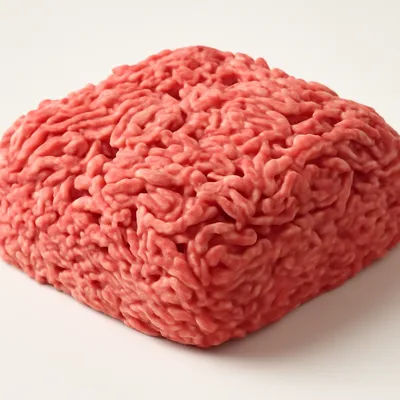
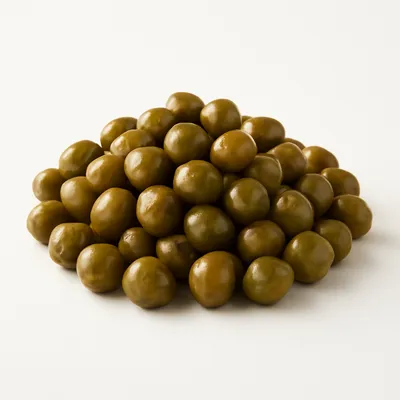
Ascoli Piceno province produces Italy's most theatrical antipasto: olive all'ascolana — large pitted Ascolana olives stuffed with a three-meat ragù mix, breaded, and deep-fried golden. Each olive is one perfect bite. Macerata's ciauscolo (DOP) is one of Italy's most unusual salami — spreadable like pâté, not sliceable like dry salami, scented with fennel pollen and lightly juniper-smoked. The Marche's cuisine is less famous internationally than Tuscan or Roman, but every Italian who has eaten in the Marche will tell you the region punches well above its weight. Every coastal town has its own brodetto; every inland village has its own crescia or vincisgrassi.
The Palate
Start Here
Bread the olives twice for an extra-crispy shell that survives the fry; single-bread olives lose their crust in 30 seconds.
Why start here · Olive all'Ascolana is the Marche's most-exported dish — Ascoli Piceno's three-meat-stuffed olives are unlike any other antipasto in Italy.
Use chicken livers and giblets in the ragù — the offal is what makes vincisgrassi different from Bolognese lasagna.
Why start here · Vincisgrassi is the Marche's grand feast lasagna — labor-intensive and unforgettable.
Vinegar AND saffron AND white wine — Ancona's brodetto differs from Vasto's all-tomato style precisely in this three-acid-aromatic profile.
Why start here · Brodetto all'Anconetana is the canonical northern-Adriatic fish stew — 13 species in one pan.
The Pantry







See all 125 ingredients›










Herbs & Spices








Dairy & Fats







Sauces & Condiments




Other
How They Cook
Techniques that define this cuisine
Kindred Kitchens
Cuisines built on the same signature ingredients
Other regions
Siblings within Italian — each its own tradition.
Signature Dishes (35)
Browse all 35 dishes›
Starters
7


Mains
15


