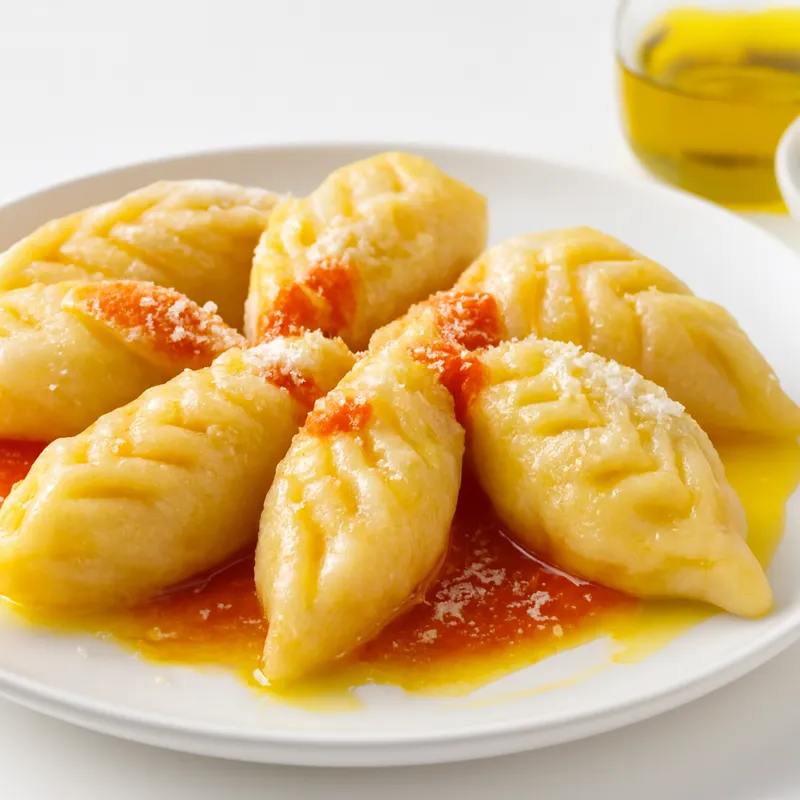
Sardinian
Malloreddus: ridged saffron-sausage.
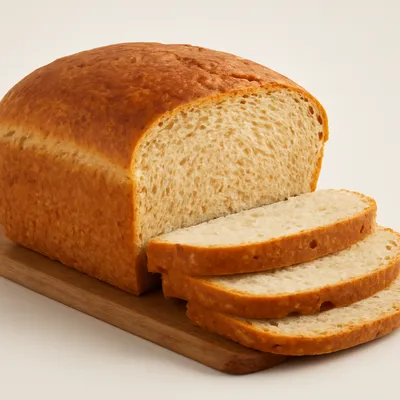
Pane Carasau
This Sardinian flatbread is thin as parchment, with a satisfying crunch and subtle wheat flavor
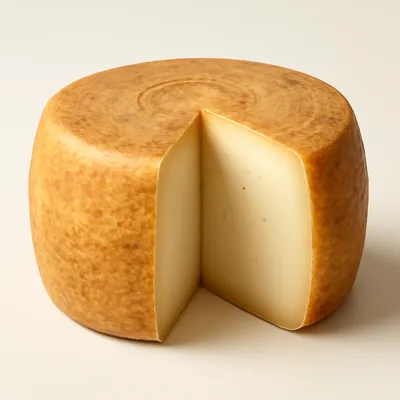
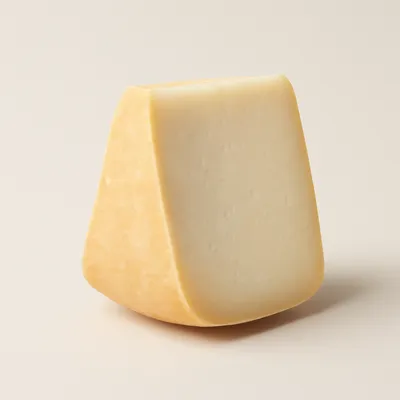
View page →Sardinia is the second-largest Mediterranean island and the most ancient — Italian, but only barely; the Sardinian language is older than Italian. The cuisine is pastoral: more sheep than people on the island, sheep-milk pecorino sardo is the cheese, and lamb-and-pork dominate the protein. Pane carasau (also called carta da musica, 'music paper') is the paper-thin crackly bread that shepherds carried for months. Malloreddus are tiny ridged dumplings (gnocchetti sardi), often dressed with sausage-and-saffron sauce alla campidanese. Porceddu is whole suckling pig roasted on iron spits over myrtle-and-juniper fires — Sardinia's Sunday/festival dish. Bottarga di muggine (cured grey mullet roe), grated like Parmesan. And casu marzu — the cheese deliberately infested with live cheese-fly larvae — is Sardinia's most-extreme tradition, legally banned but still made. The cuisine is the most-archaic in Italy, sheep-island-distinct, and stubbornly pre-modern.
The Palate
Start Here
Small ridged Sardinian gnocchi cooked al dente, tossed with a sausage-and-tomato sauce flavored with saffron and finished with grated pecorino sardo.
Why start here · Malloreddus alla campidanese is the Sardinian pasta dish you eat at Sunday lunch. The saffron and the local sausage are non-negotiable.
Whole suckling pig (4-5 kg) impaled on a metal spit, roasted slowly for 4-5 hours over a myrtle and juniper wood fire until the skin crisps and the meat falls off the bone.
Why start here · Porceddu is Sardinia's communal feast — a wedding, a saint's day, a village fair. The myrtle-juniper smoke is the regional taste; no other wood does it.
The Pantry







See all 116 ingredients›














Grains & Staples





Dairy & Fats





Sauces & Condiments




How They Cook
Techniques that define this cuisine
Kindred Kitchens
Cuisines built on the same signature ingredients
Other regions
Siblings within Italian — each its own tradition.