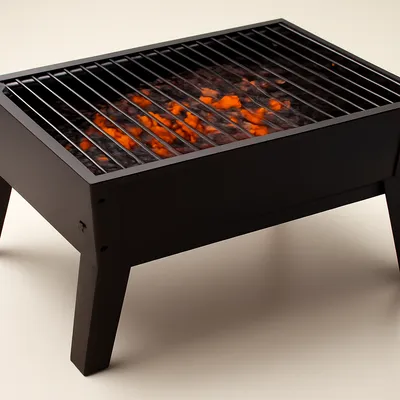
Sa Trattalia is the spit-roasted offal roll of Ogliastra in eastern Sardinia, a shepherds' festive dish built from the pluck of a milk lamb or kid. The heart, lung, liver and spleen are threaded onto a spit interleaved with slices of lard and bread, then the whole is sheathed in the caul membrane and bound tightly with the plaited small intestine into a dense cylinder called sa nappa. It is slow-grilled over embers for up to two hours until the casing crisps to an amber crust, then sliced into rounds and served on moistened pane carasau. A registered Sardinian traditional agri-food product, it is distinguished from the related cordula by its use of younger, milk-fed animals and open-fire cooking.



Sa Trattalia originates in Ogliastra, the mountainous eastern region of Sardinia, though the preparation is diffused across the whole island under many dialect names. It grew from the pastoral principle of wasting nothing of a slaughtered animal: when a lamb or kid was killed, its pluck became this dish. In shepherd families it is tied to the great religious and secular feasts, above all Christmas. The offal is cleaned with water and vinegar, threaded onto a spit alternating with lard and bread, then wrapped in the peritoneum and the coiled small intestine, the compact casing called sa nappa in Sardinian. Cooking proceeds in two stages over embers, first searing the meat rare, then crisping the casing over one and a half to two hours. It is registered by the Italian Ministry of Agriculture among the Traditional Agri-food Products of Sardinia, and differs from cordula, which uses the pluck of older, weaned animals and, in the corda variant, the stomach and belly of sheep or goat.
The sliced rounds shatter at the edge into a brittle, smoky casing of crisped intestine and caul, giving way to a soft, rich interior where the liver turns creamy, the heart stays firm and springy, and lung and spleen melt into a mineral, faintly bitter tenderness bound by the sweetness of rendered lard.
The caul and intestine casing is the engine of the dish. Rich in collagen and fat, it renders slowly over the embers, basting the enclosed organs from within while its own surface dehydrates and browns through the Maillard reaction into the brittle amber crust. Wrapping the pluck tightly traps steam and rendered fat inside the cylinder, so the delicate liver and lung braise gently in their own moisture rather than drying out. The two-stage cooking is deliberate: a first searing sets the exterior and drives off surface water, and the long, low finish of one and a half to two hours gives the collagen time to convert to gelatin and the casing time to crisp without scorching the interior.
Variations
Names and details shift village to village, among them trattaliu, tattalia, cogghia and uscellè. Some cooks tuck sun-dried tomato between the organs for a sweet-acid note, or add pieces of tender fat to enrich lean plucks. The related cordula, or corda, is a giant plaited skewer of weaned lamb, sheep or goat that uses the belly and stomach rather than the pluck. On the table the roll is classically laid over pane carasau moistened with spring water and eaten hot with a robust local red.
On the Palate
Where Sa Trattalia sits in the Italian flavor cloud
Ingredients
Serves 6How it's made
8 steps · 1 hour
- 115 min
Clean the lamb or kid pluck of heart, lung, liver, spleen and intestines thoroughly in cold water with a splash of vinegar; rinse the caul and set it aside.
- 210 min
Turn the small intestine inside out, scrape and wash it repeatedly until clean, then keep it whole and pliable for binding.
- 310 min
Cut the heart, lung, liver and spleen into regular walnut-sized pieces, and slice the lard and the bread.
- 412 min
Thread the spit starting with bread, then alternate lard, heart, lung, liver and spleen, returning to bread, until all the organs are used, finishing with bread.
- 55 min
Season lightly, then drape the caul membrane over the loaded spit and wrap it fully to enclose the organs.
- 68 min
Bind the whole cylinder from top to bottom with the intestine, coiling it in tight spirals to lock the casing in place.
- 710 min
Sear over lively embers to set the exterior, keeping the interior rare, turning the spit for an even crust.
Watch outSear hard over lively embers just to set and color the outside — the inside must stay rare here, so keep it quick.
- 8120 min
Lower to gentle embers and roast slowly for one and a half to two hours, salting once the crust colours, until the casing is crisp and amber; rest briefly, then slice into rounds.
Watch outDrop to gentle embers for the long finish — the casing is ready when it's crackling-brittle and amber all over; rush it and the organs inside stay tough.
Archive tool suggestions — not reviewed
These legacy suggestions have not been evidence-reviewed and are not presented as required tools.