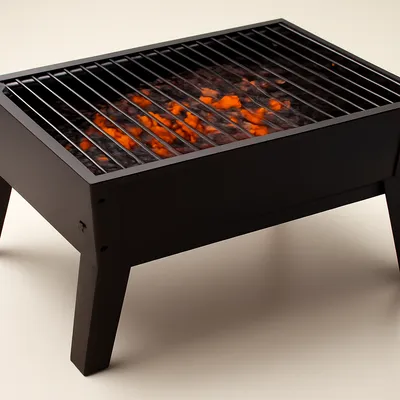
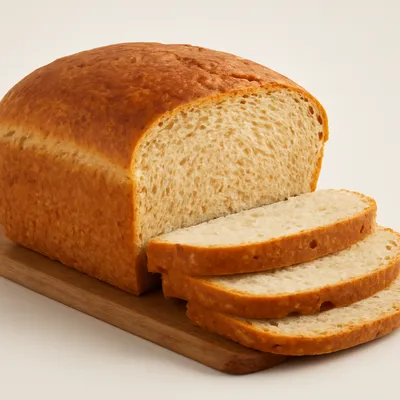
The plainest and most Tuscan of toasts: a slice of saltless Tuscan bread grilled over embers, rubbed with raw garlic, doused generously with new-pressed extra virgin olive oil and finished with salt. The name comes from fetta unta, 'oiled slice', in the Tuscan dialect, and that is exactly what it is — bread and oil, with garlic and salt. It is the traditional way to taste olio nuovo, the just-milled oil of the autumn harvest, when the bread is the vehicle and the oil is the dish. Eaten warm, while the oil is still soaking in.
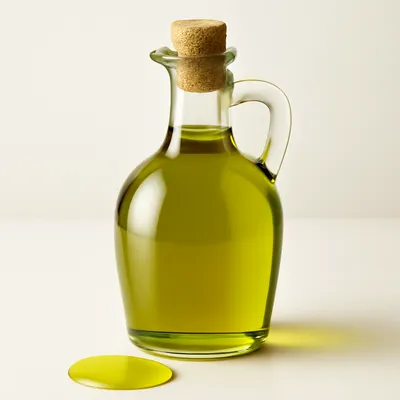


Fettunta is rooted in the rural tradition of the Tuscan olive harvest. When the new oil came out of the mill in late autumn — typically pressed from mid-October through November from early-picked Frantoio, Leccino and Moraiolo olives — farmers and oil producers judged its quality by tasting it on grilled bread, the simplest possible carrier. The toast became the ritual vehicle for olio nuovo, prized for its green colour, grassy aroma and peppery sting of fresh polyphenols. It is widely understood as the ancestor of bruschetta: bruschetta is essentially fettunta with toppings added on top, and the bare oiled slice came first. The exact origin is unrecorded; it is a humble farmhouse custom rather than a dated creation, and remains a fixture of Tuscan tables, especially during the frantoio season.
Hot, crackling toast with a hard charred crust giving way to a chewy interior, slicked with grassy green oil and scented with raw garlic. The first taste is the oil itself: fresh olio nuovo is fruity and green, smelling of cut grass and artichoke, and finishes with the distinctive peppery catch at the back of the throat that signals high polyphenols. The garlic is sharp and pungent against the bread; flaky salt brings it into focus. With unsalted Tuscan bread, the oil and salt do all the seasoning. It is rich and simple, the bread soaking up oil at the edges — a snack that lives or dies by the quality of the oil.
Everything here serves the oil. Grilling over embers dries and chars the bread's surface, creating the crisp, porous crust that grips the oil and the rough texture that abrades the garlic clove rubbed across it, releasing its juice and aroma onto the warm bread. The bread is used unsalted and slightly stale on purpose: dense, low-salt Tuscan bread is a neutral, sturdy backdrop that does not compete with the oil, and a firm crumb holds up to soaking without going to mush. Warmth matters — the heat of the toast volatilizes the oil's aroma compounds and makes the fruity, grassy and peppery notes of fresh oil read clearly, which is why fettunta is the chosen way to taste a new pressing. The oil goes on raw and uncooked, since heating it would dull the very freshness being judged.
Variations
At its strictest, fettunta is only bread, new oil, garlic and salt; some leave out the garlic, and a version simply called pane e olio uses good extra virgin oil rather than the freshly milled olio nuovo specifically. Add chopped tomato, basil and other toppings and it becomes bruschetta proper; rub it with garlic and tomato and you approach the Catalan and southern Italian styles. In Tuscany it is the natural partner to a glass of new red wine during the harvest and a standard antipasto. The same idea — grilled bread as the pure test of new oil — recurs across the Italian olive regions under local names, but fettunta is the Tuscan one.
On the Palate
Where Fettunta sits in the Italian flavor cloud
Ingredients
Serves 4How it's made
5 steps · 10 min
- 12 min
Slice saltless Tuscan bread into thick pieces, about 1.5 cm.
- 24 min
Grill or toast over wood embers (or a hot griddle) until both sides are crisp and lightly charred.
Watch outToast until the surface is crisp and blistered with a few dark char spots, since that rough dry crust is what grips the oil and scrapes the garlic; a soft warm slice just soaks up nothing.
- 31 min
While still hot, rub one side firmly with a halved raw garlic clove.
Watch outRub the garlic firmly while the toast is still hot, so the coarse crust grates the clove and its juice melts straight into the warm bread.
- 42 min
Drizzle generously with new-pressed extra virgin olive oil, letting it soak in.
Watch outPour the new oil on while the toast is warm and let it drink in, the heat lifting the oil's fruity, peppery smell as it sinks.
- 51 min
Finish with flaky salt and serve at once, warm.
Archive tool suggestions — not reviewed
These legacy suggestions have not been evidence-reviewed and are not presented as required tools.