BruschettaRibollitaPappa al PomodoroAcquacotta
Italy / Tuscany

Tuscan

Pappa al Pomodoro: tomato-bread soup.

56 dishes · 152 ingredients · 19 techniquesOverview
Signature·Ingredient

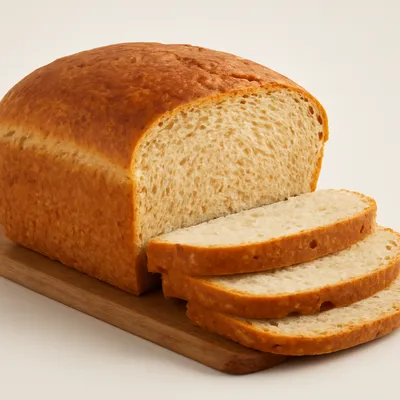
Pane Sciapo

The unsalted Tuscan bread — born from a medieval salt-tax revolt; pairs with salty pecorino and salumi.

View page →

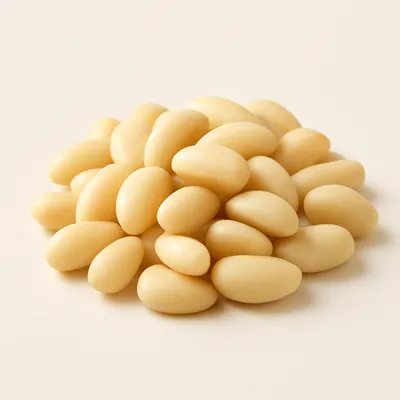
Tuscan cooking is plain, frugal, and built on good ingredients — the tradition the Italians call cucina povera, "poor people's cooking." Its most famous dish is the bistecca alla fiorentina, a thick T-bone steak from the local Chianina cattle, grilled rare over wood and seasoned with just salt, pepper, and olive oil. Beans are everywhere — white cannellini stewed with sage and oil — and stale bread is never wasted: it goes into ribollita (a thick cabbage-and-bean soup), pappa al pomodoro (bread simmered into a tomato puree), and panzanella (a summer salad of bread and tomatoes). The local bread itself is famously unsalted, made to carry strong, salty cured meats and cheeses like pecorino. Tuscan extra-virgin olive oil, peppery and green, is poured over almost everything, and the region's Chianti is the wine on the table.

The Palate

HeatRichnessComplexityFermentFreshness

What makes it taste like itself

Start Here

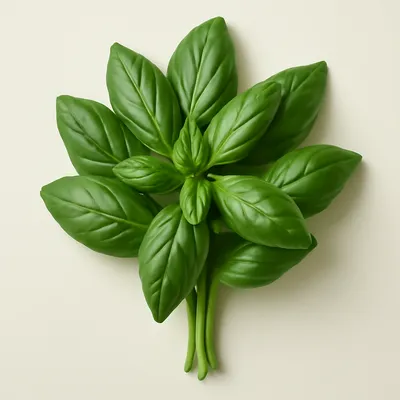
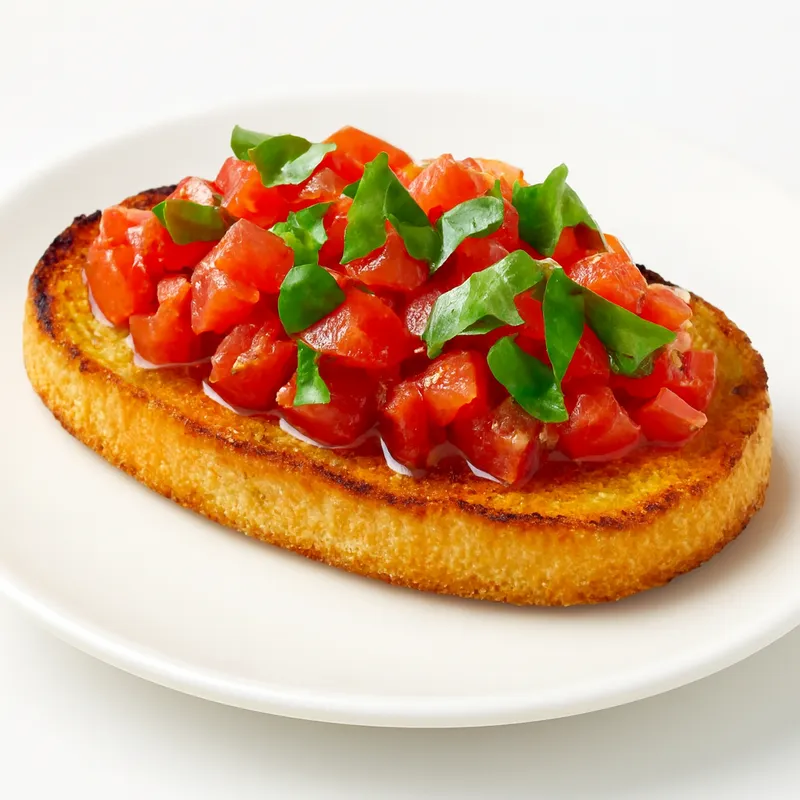
Bruschetta

The garlic-rubbed grilled bread topped with tomatoes, basil, and olive oil is a quintessential Tuscan starter.

Why start here · It showcases Tuscany's fresh, simple ingredients and rustic preparation.

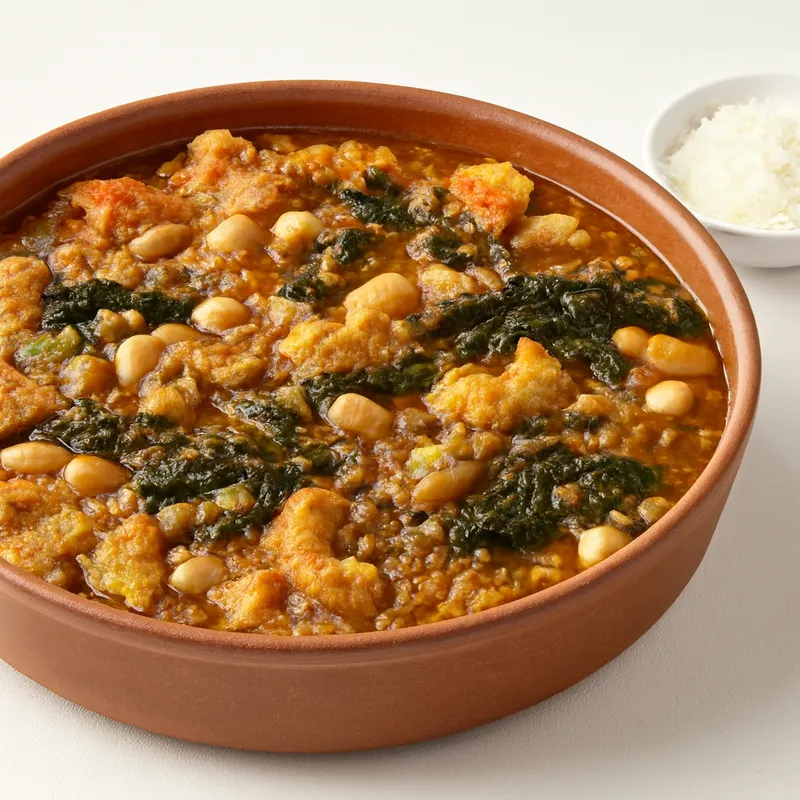
Ribollita

This hearty soup, thickened with day-old bread, exemplifies the Tuscan tradition of cucina povera.

Why start here · It encapsulates the region's resourceful use of leftover ingredients.

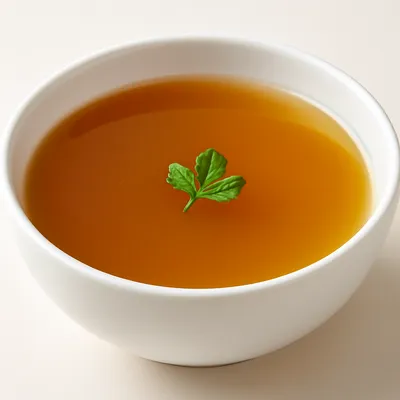
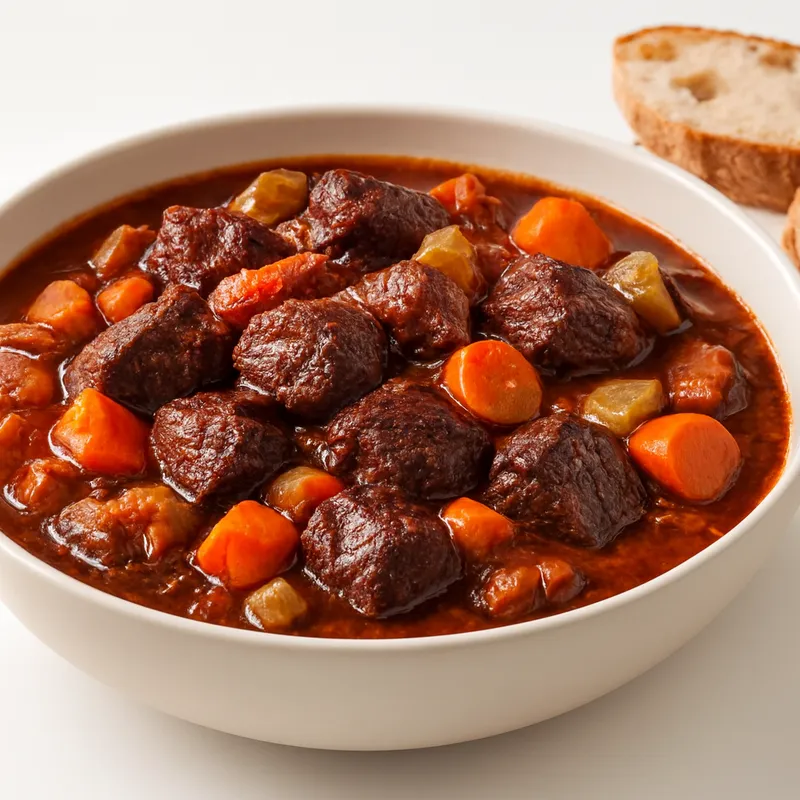
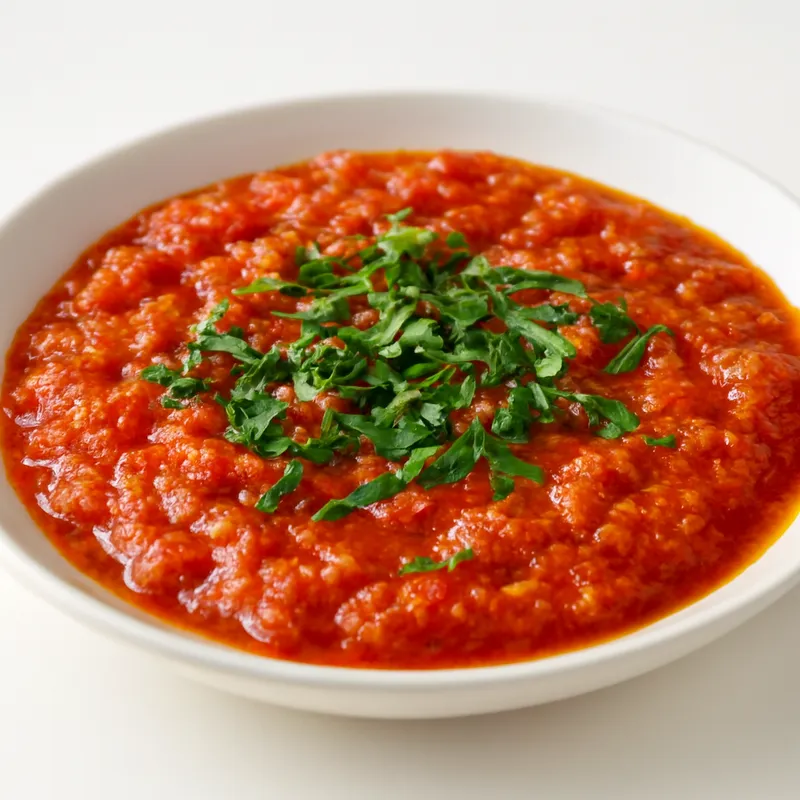
Pappa al Pomodoro

A rich tomato and bread soup, bringing out the best of ripe tomatoes and basil.

Why start here · Shows the Tuscan love for tomatoes and their ability to make something satisfying from simplicity.

Cook First

The easiest way in

The Pantry

See all 152 ingredients

How They Cook

Techniques that define this cuisine

See 15 more techniques

Other regions

Siblings within Italian — each its own tradition.

Neapolitan
60

Pizza margherita, ragù napoletano, Vesuvian tomatoes, mozzarella di bufala — the south's loud and tomato-forward face.

Sicilian
60

Arab-Norman-Greek inheritance — pistachio, citrus, sweet-and-sour, sword fish, arancini, cannoli.

Lombard
42

The wealthy, butter-and-rice north anchored on Milan — saffron risotto, breaded veal cutlets, slow-braised osso buco, polenta, and a stable of cheeses from Gorgonzola to Grana Padano. Refined city cooking sits beside hearty Alpine and lake-country fare.

Roman
42

Cacio e pepe, carbonara, amatriciana, gricia — pasta with four ingredients executed to the gram.

Apulian
41

Heel-of-Italy olive oil — orecchiette con cime di rapa, focaccia barese, burrata.

Emilian
41

Egg pasta, prosciutto, parmigiano, balsamic — the deepest pantry in Italy.

Piedmontese
41

The sub-alpine northwest where French refinement meets peasant roots — white truffles from Alba, hazelnuts, slow-braised Barolo beef, hand-pinched agnolotti, raw veal, and a deep bench of cheeses. Butter and rice rule over olive oil, and the wine (Nebbiolo, Barbera) is never far from the pot.

Venetian
41

Lagoon cicchetti and trade-winds sweetness — sarde in saor, baccalà mantecato, tiramisu.

Calabrian
39

Toe-of-Italy fire — 'nduja, peperoncino, pesce spada, pork-and-chili intensity.

Ligurian
38

Coastal-Riviera basil-and-oil — pesto Genovese, focaccia di Recco, farinata.

Sardinian
38

Sheep-island archaic — pane carasau, malloreddus, porceddu, the most-ancient Italian.

Abruzzese
36

Mountain-pastoralist cooking from the Gran Sasso and Maiella massifs, distinguished by castrato (mutton) skewers, square-cut chitarra pasta, fennel-pollen porchetta, L'Aquila saffron, and the calendar-bound May Day soup Le Virtù. The short Adriatic coast contributes the no-stir Vasto brodetto.

Marchigian
35

Cuisine of the Marche region — coastal Ancona-Pesaro brings 13-species Adriatic brodetto and Norwegian stockfish; inland Macerata-Ascoli brings vincisgrassi (the baroque offal-and-truffle lasagna), olive all'ascolana (three-meat-stuffed fried olives), the spreadable salami ciauscolo, and the yeasted-flatbread crescia. Two halves connected by Acqualagna's prized white truffles.

Friulian
33

Italy's far northeast against Austria and Slovenia — a borderland of Montasio cheese, smoked and cured pork, polenta, and sweet-savory frico and cjarsons that carry an Austro-Hungarian accent. Frank, mountain cooking more Central-European than Mediterranean.

Umbrian
32

The most landlocked, ingredient-first cuisine in central Italy — built around Norcia charcuterie (the global capital of Italian cured pork), Castelluccio IGP lentils, Spoleto-Orvieto black and white truffles, fennel-pollen porchetta, and the Etruscan-era hot-stone bread torta al testo. Restrained, mineral-deep, demanding ingredient quality.

Trentino-Alto Adige
30

The German-speaking Dolomite north where Italy turns Tyrolean — bread dumplings, speck, rye, apples, and butter-and-rye dishes that read as much Austrian as Italian. Mountain, forest and orchard cooking built for cold altitude.

Valdostan
28

Italy's smallest, highest, French-speaking Alpine region — Fontina cheese above all, melted into fonduta and polenta concia, alongside beef braised in red wine, rye bread, cured meats and chestnuts. Hearty fuel for the high mountains.

Molisan
25

Italy's smallest, least-known mainland region — split from Abruzzo only in 1963. A cuisine of sheep transhumance and pork, chili, hand-made cavatelli, and signature dishes like the paprika-roasted pork pampanella; close kin to Abruzzese cooking.

Lucanian
24

The mountainous, sparsely populated south-central region of Basilicata (ancient Lucania) — a frugal cucina povera of pork and lamb, durum wheat, chili, pecorino, legumes, and above all the prized sun-dried Senise peppers fried crisp as peperoni cruschi.

Signature Dishes (56)

Browse all 56 dishes