


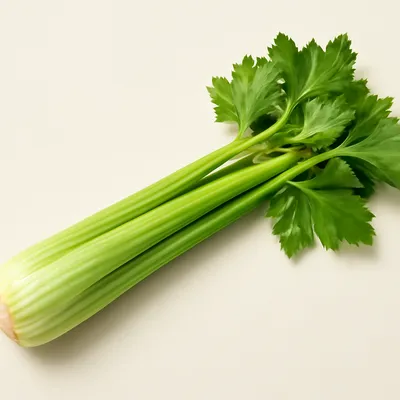

Ribollita is Tuscan peasant food — the name means "reboiled." The dish was Friday-night minestra di pane (bread soup) cooked in quantity, with leftovers reheated the next day; the second-day version with bread fully broken down became its own thing. Tuscan bread is unsalted (a holdover from a 12th-century salt tax dispute with Pisa), so it absorbs the broth without making the stew salty.
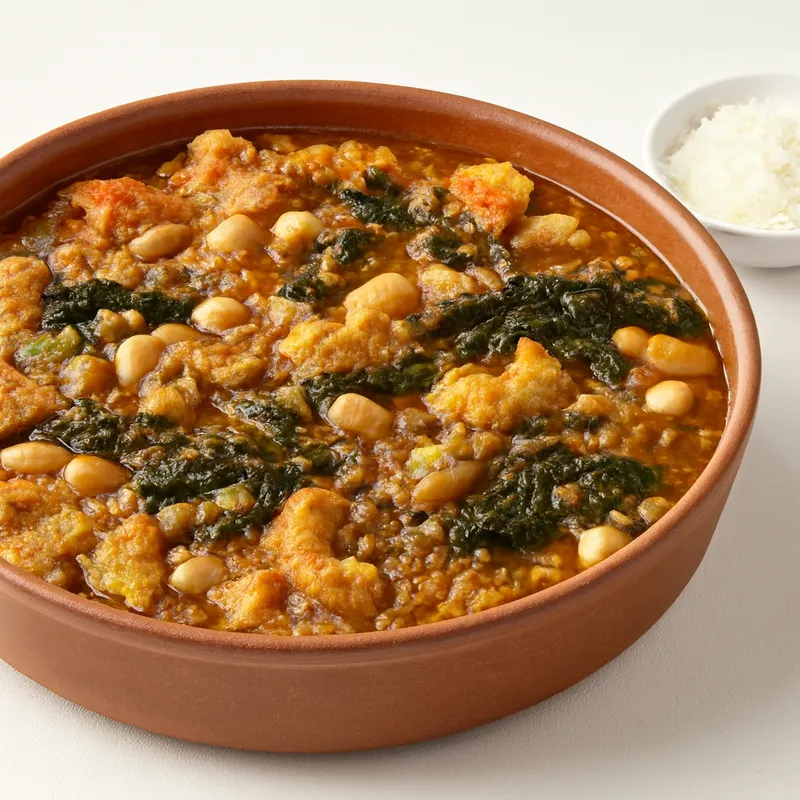
Tuscan peasant soup — yesterday's bread, cavolo nero, cannellini beans, re-boiled (ribollita means 'reboiled'). The bread is meant to be stale; fresh bread turns it to paste.
A thick, brown-green stew you can stand a spoon in — almost more bread than soup. Cavolo nero (black kale) gone nearly black from long cooking, white cannellini beans collapsed into the broth, day-old Tuscan bread torn in and disintegrating. Olive oil drizzled raw on top at the table. Tastes of bean, kale, and wood-fired loaf. If it's thin enough to sip, it's not ribollita yet.
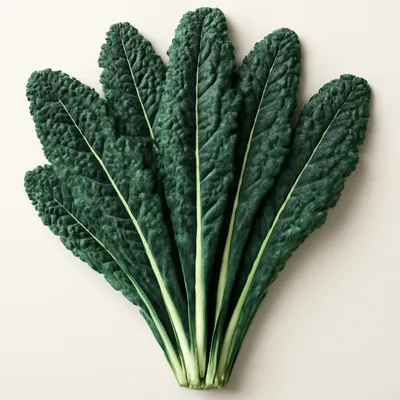
The bread has to be stale, days old, dried hard — fresh bread turns to glue and the soup goes pasty. It's added on day two, off heat, and the pot is rebrought to a slow boil so the bread fully dissolves. Cavolo nero needs at least 30 minutes of simmer to lose its raw bitter edge; quick-wilted kale stays grassy and the dish never settles.
Variations
Florentine version is thicker and grilled in the oven before serving; Lucca cooks add potato; Sienese ribollita leans heavier on tomato; some Chianti versions add a parmesan rind to the broth.
On the Palate
Where Ribollita sits in the Italian flavor cloud
Use bread that's stale and rock-hard, and add it on the second cook off heat so it dissolves into the soup — fresh bread turns the whole pot to glue.
Ingredients



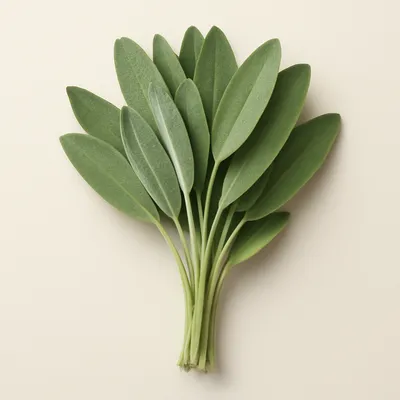


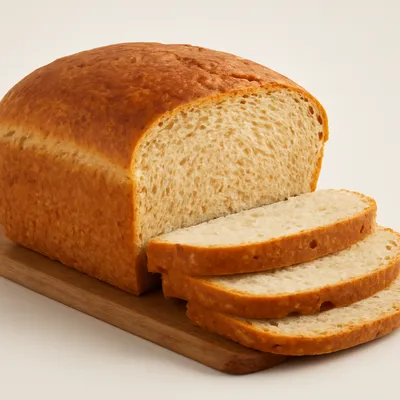
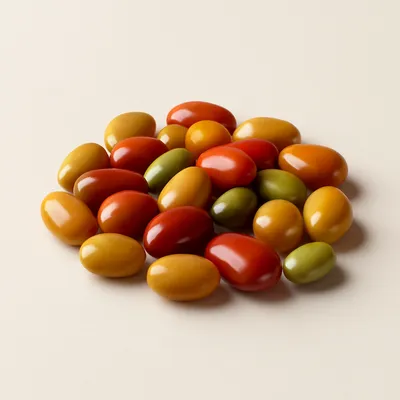

How it's made
6 steps · 1 hour 10 min
- 110 min
In a large pot, heat olive oil over medium heat until it shimmers. Add chopped onions, carrots, and celery, stirring until the onions turn translucent and the vegetables soften, about 10 minutes. The aroma should be sweet and earthy.
Watch outSweat the onion, carrot and celery until the onion goes translucent and smells sweet, not browned — this soft base carries the whole soup.
- 22 min
Add minced garlic, rosemary, and sage to the pot. Stir for another 2 minutes until the garlic becomes fragrant but does not brown.
Watch outAvoid letting the garlic brown as it can turn bitter, altering the soup's flavor.
- 315 min
Stir in chopped tomatoes and let them simmer until they break down and meld with the aromatics, about 15 minutes. The mixture should thicken and deepen in color.
- 430 min
Add cannellini beans and torn pieces of cavolo nero. Pour in enough water to cover the ingredients. Bring to a gentle simmer, letting the flavors blend for 30 minutes. The soup should have a hearty consistency.
Watch outThe pot should barely tremble once the beans and kale go in; look for the broth thickening and the kale collapsing, roughly half an hour.
- 510 min
Tear stale bread into chunks and fold them into the soup. Simmer until the bread breaks down and thickens the soup, about 10 minutes. The bread should be soft and integrated.
Watch outThe bread is ready when the chunks have melted in and a spoon dragged across the bottom leaves a slow-closing trail — thick, not soupy.
- 63 min
Season with salt and black pepper to taste. Serve hot, drizzled with olive oil for a rich finish.
Watch outTaste before adding salt, as the beans may already contain sodium.
Archive tool suggestions — not reviewed
These legacy suggestions have not been evidence-reviewed and are not presented as required tools.