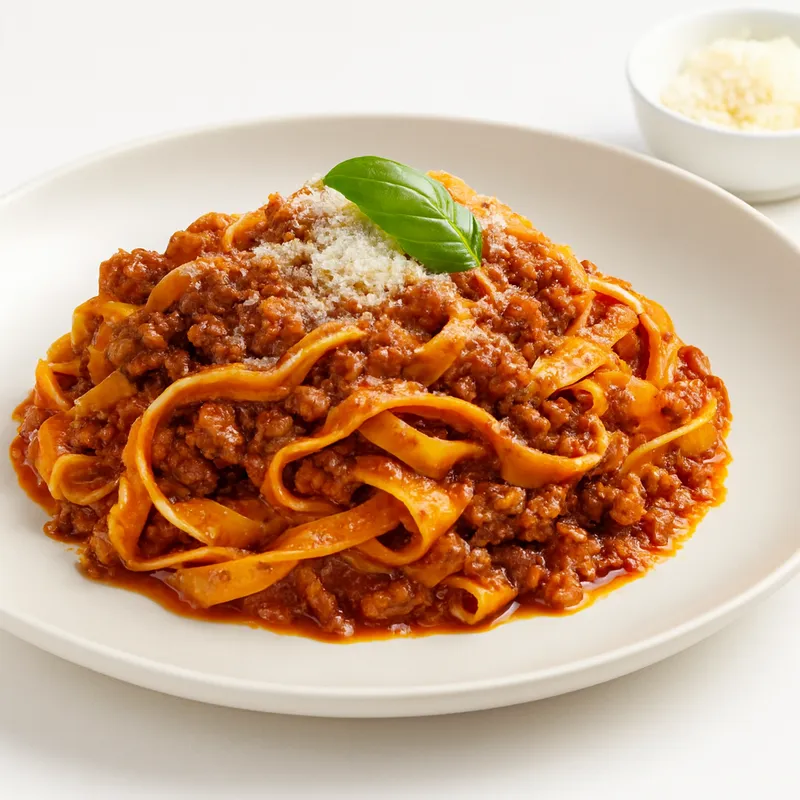


First codified recipe is by Pellegrino Artusi in 1891, but the Accademia Italiana della Cucina deposited an official version with the Bologna chamber of commerce on 17 October 1982 (and updated it on 20 April 2023) to lock down what locals had been making for decades: meat-led, milk-finished, lightly tomatoed. The 1982 deposit was a defensive move against the «spaghetti bolognese» abroad, which Bologna doesn't serve.
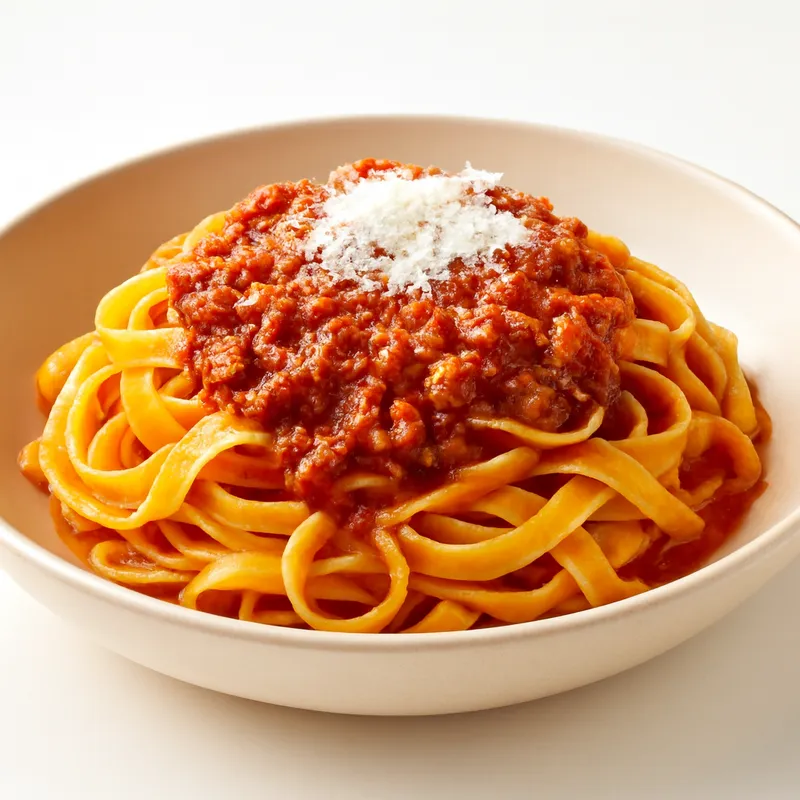
Bologna's ragù, codified by the Accademia Italiana della Cucina in 1982 — beef and pancetta, soffritto, white wine (not red), milk to soften the meat, tomato as a tint not a base. Served on tagliatelle, never spaghetti.
Long, meaty ragu — coarse ground beef and pork, soffritto cooked down to almost-jam, a small dose of tomato (paste, not sauce), white wine, finished with whole milk. Tossed with fresh egg tagliatelle, never spaghetti. The sauce should coat the noodle ribbon, not drown it. If it's bright red and tomatoey, somebody made marinara and called it ragu.
Three slow stages, in order. Soffritto (carrot, celery, onion in butter) goes 30 minutes until it loses water and turns bronze. Meat browns hard in the same pot — fond is half the depth. Then white wine reduces, tomato paste goes in (not crushed tomatoes — too watery), and milk at the end softens the meat protein and rounds the acid. Total cook: 3+ hours, uncovered, barely simmering.
Variations
Modena cooks add chicken livers; Imola version uses a higher pork-to-beef ratio; the 'bianca' version skips tomato entirely; lasagne alla bolognese layers it with béchamel and spinach pasta.
On the Palate
Where Bolognese sits in the Italian flavor cloud
Build depth in stages and never let it boil: sweat the soffritto slow, then brown the meat hard until the pan bottom is coated in fond, and finish with milk over a bare 3-hour simmer — a fast, watery, boiling sauce is the whole difference between ragù and 'spaghetti bolognese.'
Ingredients
Serves 6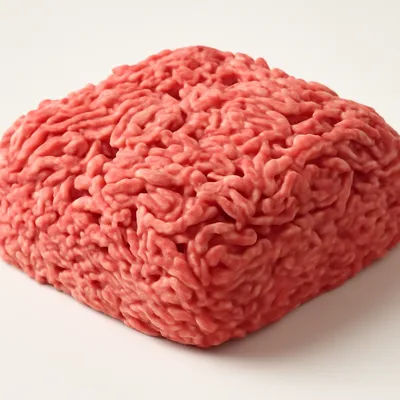




How it's made
6 steps · 38 min active + 1 hour 30 min waiting
- 18 min
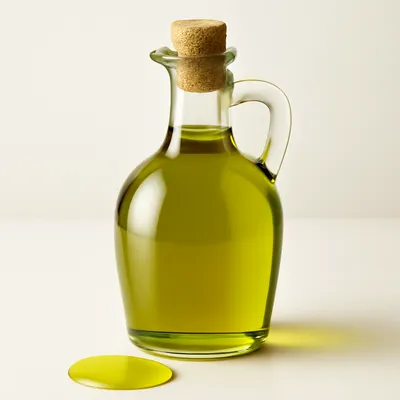
Heat a large, heavy-bottomed pot over medium heat. Add a generous glug of olive oil, enough to coat the bottom, and wait until it shimmers. Add finely chopped onion, carrot, and celery, stirring them until they soften and release their sweet aroma, about 8 minutes.
Watch outSweat the soffritto low and slow until it softens, loses its water, and smells sweet — no color, just gentle and fragrant, the flavor foundation.
- 210 min
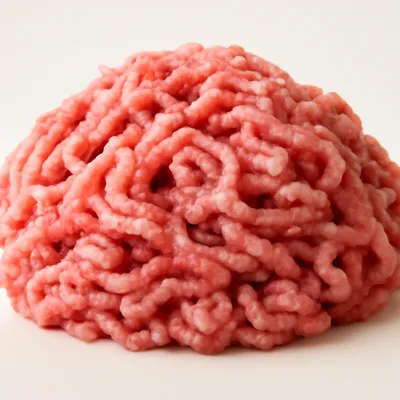
Increase the heat slightly and add the ground beef and pork. Break the meat apart with a wooden spoon, stirring continuously until it loses its pink hue and begins to brown, about 10 minutes.
Watch outPush past 'no longer pink' — keep going until the meat is genuinely browned and there's a sticky brown film on the pan bottom.
- 35 min
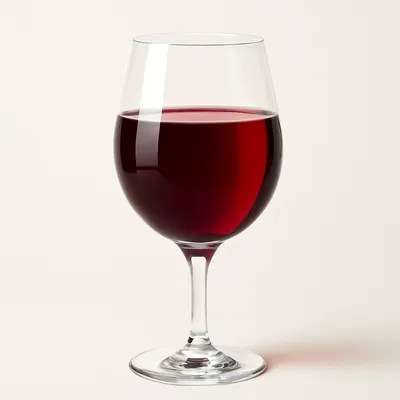
Pour in the red wine, using it to deglaze the pot by scraping up any browned bits from the bottom. Let the wine simmer until it reduces by half, its aroma deepening, about 5 minutes.
Watch outScrape all the browned fond off the bottom as the wine bubbles and reduces by half — that's you dissolving the flavor back into the sauce.
- 45 min
Stir in the crushed tomatoes and minced garlic, ensuring everything is well combined. Allow the mixture to come to a gentle simmer, then reduce the heat to low.
- 55 min
Pour in the milk slowly, stirring constantly to incorporate it smoothly into the sauce. Let the sauce simmer gently, partially covered, for at least 90 minutes, stirring occasionally.
Watch outOnce the milk's in, drop to the lowest simmer you can hold — barely a bubble breaking the surface — and let time do the work for at least 90 minutes.
- 65 min
Towards the end of cooking, taste and adjust seasoning with salt and freshly ground black pepper. Serve the sauce over your favorite pasta, topped with freshly grated Parmesan cheese.
Archive tool suggestions — not reviewed
These legacy suggestions have not been evidence-reviewed and are not presented as required tools.