The quintessential Tuscan bean dish: white cannellini beans cooked slowly inside a glass flask with water, olive oil, garlic, sage and a little black pepper, set among the embers of a fire until tender. The fiasco is the straw-wrapped Chianti wine bottle; stripped of its straw, it was filled with soaked beans and seasonings and left in the dying heat of the hearth or a bread oven overnight. The narrow neck lets almost no steam escape, so the beans cook gently in their own moisture and the oil, emerging whole, creamy and intensely flavoured. Tuscans, nicknamed mangiafagioli, bean-eaters, serve them warm as a side, finished with raw new oil.





Fagioli al fiasco is a classic of Tuscan cucina povera and a vivid emblem of the region's love of beans. The method is the historical one used by Tuscan farmers: the straw was stripped from a Chianti fiasco, the bottle filled with soaked beans, oil, garlic and sage, and stood in a corner of the fireplace on hot ashy embers — or carried to the village baker to sit in the cooling bread oven — so that overnight residual heat cooked the beans with no tending. It made use of cheap, storable dried beans and the leftover warmth of a fire that was burning anyway, the essence of frugal Tuscan cooking. Common beans (Phaseolus vulgaris) reached Tuscany from the Americas in the 16th century and were embraced so thoroughly that Tuscans earned the nickname mangiafagioli. The dish has no single author or date; it is a long-standing rural practice, today usually cooked in a flask on a flame-tamer or simply in a slow pot.
Whole, plump beans, soft and creamy right through with skins that are tender but intact, in a little fragrant pool of their own starchy liquid and oil rather than a sauce. The flavour is gentle and clean — buttery, faintly nutty beans carrying the perfume of sage, the mellow sweetness of softened garlic and the fruity bite of good olive oil, with a touch of black pepper. Because they cook slowly and almost sealed, they stay intact and absorb the seasonings deeply, far more flavourful than boiled beans. A thread of raw new oil and a little salt at the end lift everything. It is humble, comforting food: the test is beans that are fully soft and creamy but not split or mushy.
This is a very slow, near-sealed simmer that cooks beans gently in their own moisture. Dried beans must be soaked first to rehydrate, then cooked long and low so their starch granules swell and gelatinize into that creamy interior while the skins soften without bursting. The flask is the clever part: its long narrow neck traps steam, so the beans cook in a nearly closed, humid environment with very little water — closer to a gentle braise in oil and bean liquor than a hard boil — which keeps them whole and concentrates flavour instead of leaching it into a large pot of water. Low, even heat is essential; a rolling boil agitates the beans and splits the skins, whereas the residual warmth of embers holds them at a bare simmer. Salt is added only near the end, as salting too early can toughen the skins. The oil both carries fat-soluble aromas from the sage and garlic and enriches the beans as they drink it in.
Variations
Cannellini are the classic bean, but Toscanelli and the prized small zolfini and other heirloom Tuscan beans are used too. Seasonings stay minimal — oil, garlic, sage and pepper are the core — though some cooks add a few whole peeled tomatoes or a little tomato to the flask, or a dribble of water; the strictly traditional version keeps it dry, the beans cooking mostly in oil and their own juices. Without a flask, the same beans are cooked low in a covered earthenware pot or a slow oven. Beans this way are the base of much Tuscan cooking — dressed with raw oil as a contorno, served under grilled sausage or bistecca, or stirred into ribollita and fagioli all'uccelletto. They are best warm or at room temperature, never fridge-cold.
On the Palate
Where Fagioli al Fiasco sits in the Italian flavor cloud
Ingredients
Serves 4How it's made
7 steps · 7 hours
- 15 min
Soak the dried cannellini beans in plenty of cold water overnight.
- 25 min
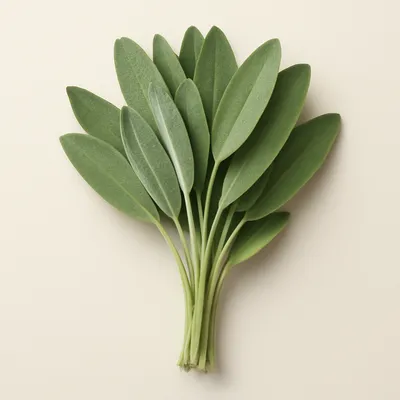
Drain and put the beans into a clean glass flask or heavy pot with whole peeled garlic cloves, fresh sage and a good pour of olive oil.
- 33 min
Add just enough water to barely cover the beans and a few grinds of black pepper; do not salt yet.
- 42 min
Stand the flask on a flame-tamer over the lowest heat (or use the residual heat of embers or a cooling oven).
- 5210 min
Cook very gently for about 3 to 4 hours, never letting it boil hard, until the beans are completely soft and creamy and most liquid is absorbed.
Watch outCook very gently 3 to 4 hours, never a hard boil — the narrow flask neck traps steam so the beans braise in their own moisture and stay whole; a hard boil bursts the skins.
- 65 min
Season with salt only near the end and let rest off the heat.
Watch outSalt only near the very end — add it early and the skins toughen and the beans never soften to that creamy interior.
- 73 min
Serve warm in bowls, finished with a thread of raw extra virgin olive oil.
Archive tool suggestions — not reviewed
These legacy suggestions have not been evidence-reviewed and are not presented as required tools.