
A Tuscan, originally Florentine, side dish of white beans — cannellini or the local toscanelli — stewed with sage, olive oil and a little tomato. The cooked beans are tossed in oil infused with sage and (in modern practice) garlic, seasoned with salt and pepper, then finished with a small amount of plain tomato sauce until it just coats them. It is a humble cucina povera contorno, classically served alongside boiled meat or, most famously, fresh pork sausages.


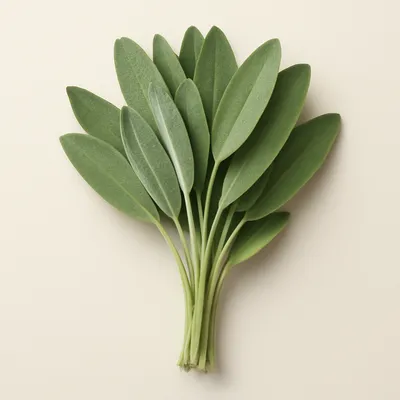



A humble Tuscan peasant dish, anchored to the trattorias of Florence. It was recorded by Pellegrino Artusi as recipe no. 384, «Fagiuoli a guisa d'uccellini» (beans in the manner of little birds), in his 1891 cookbook La scienza in cucina e l'arte di mangiar bene. Notably, Artusi's recipe already includes «un poco di sugo semplice di pomodoro» — a little plain tomato sauce — so the tomato is original to the codified dish, not a later addition. He reports that the trattorias of Florence call the dish this, but offers no explanation of the name. The exact origin of «all'uccelletto» is therefore uncertain: the most common explanation links it to the sage-and-garlic seasoning also used for cooking small game birds, while another holds that the beans were the habitual side for small roast birds and took their name; both are folk readings rather than documented fact. The dish itself carries no DOP or IGP, though it is sometimes made with the prized Fagiolo di Sorana, a thin-skinned white bean that gained PGI status in 2002.
The beans are soft and creamy inside but still whole, their thin skins intact rather than burst to mush; they should give a gentle resistance, not a grainy collapse. The flavour is mild and savoury — sweet bean and grassy olive oil first, then the warm, faintly camphorous note of sage and the background sweetness of softened garlic, with the tomato adding just a thread of acidity and colour rather than turning the dish into a tomato stew. A good one is loose and glossy, the beans bound in a light oily-tomato sauce; a bad one is either dry and split-skinned from hard boiling, or drowned in too much tomato. With a coil of grilled sausage on top, the rendered pork fat and the beans round into a single dish.
Two things make or break the dish: keeping the bean skins whole and adding the tomato last. The beans are simmered gently, never at a rolling boil, because vigorous agitation ruptures the skins and forces the starchy interior to swell faster than the skin can stretch, bursting them; pre-soaking dried beans further slows water uptake so they hydrate and gelatinize evenly while staying intact. The tomato goes in only after the beans are already tender, and for good reason: the acid of the tomato (and salt) firms the pectin in the bean skins and slows their softening, so adding it early would leave the beans tough. Before the tomato, the beans are tossed in oil warmed with sage and garlic — fat-soluble aromatic compounds from the herb and the allyl sulfides of garlic dissolve into the oil and coat the beans, seasoning them by infusion rather than by boiling.
Variations
Cannellini is the usual bean, with toscanelli, borlotti and various local Tuscan kinds used regionally; the thin-skinned Fagiolo di Sorana is a prized choice. Artusi's written recipe uses sage alone, but nearly all modern Tuscan cooks also soften garlic in the oil, and a tomato-free «in bianco» version exists in home practice. The most famous pairing is salsicce e fagioli all'uccelletto — pork sausages browned and finished in the beans — but Artusi himself recommends them as a side for boiled meat, and they are good eaten alone as a little stew with bread.
On the Palate
Where Fagioli all'Uccelletto sits in the Italian flavor cloud
Ingredients
Serves 4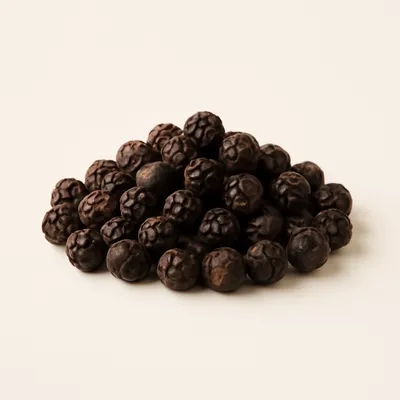
How it's made
6 steps · 15 min
- 15 min
Soak the dried cannellini beans overnight in plenty of cold water.
- 260 min
Drain, cover with fresh water, and simmer gently with a sage leaf until tender, about 1 hour, then drain.
Watch outSimmer the beans gently, never at a rolling boil — violent bubbling ruptures the skins, so a bare tremble is what keeps them whole and creamy.
- 34 min
Warm the olive oil in a wide pan with several sage leaves and the lightly crushed garlic cloves until fragrant, without letting the garlic colour hard.
- 44 min
Add the cooked beans, season with salt and pepper, and let them take up the oil, shaking the pan to coat them, for a few minutes.
- 515 min
Pour in the plain tomato sauce and simmer gently until it is incorporated and lightly thickened, about 15 minutes, keeping the beans whole.
Watch outAdd the tomato only after the beans are already tender — the acid firms the skins and stalls softening, so going in early leaves them chalky at the core.
- 62 min
Adjust the seasoning and serve warm, alone or as a side for boiled or roast meat or grilled sausages.
Archive tool suggestions — not reviewed
These legacy suggestions have not been evidence-reviewed and are not presented as required tools.


