The mountain polenta of the Alto Molise, in the province of Isernia. A soft cornmeal porridge, once cut with wheat flour, cooked slowly in a copper pot and, in the local way called 'macc accunc,' dressed with crumbled Molise sausage, grated pecorino and sweet white onion. It is winter food from the pastoral highlands, plain and filling, often ladled straight onto a wooden board for the family to eat from together. Villages guard their own versions, and it is quite distinct from the region's baked corn flatbread.


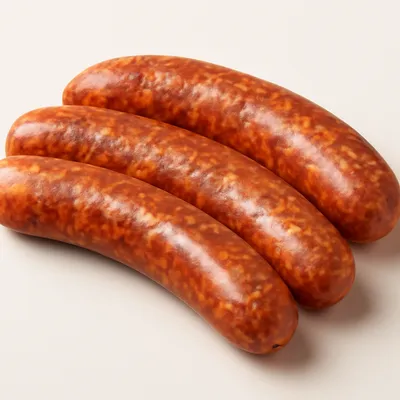
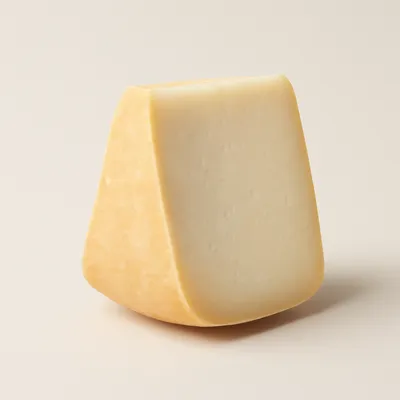

Maize crossed to Europe after Columbus and by the sixteenth and seventeenth centuries had spread through the Italian mountains, where a cheap, filling cornmeal porridge slowly displaced older gruels of millet, chestnut and mixed grain; the Alto Molise, high pastoral country threaded by the great droving tracks of the transumanza, took to it as winter food. The Molise table names its versions in dialect: the everyday 'macc accunc' dressed with sausage and pecorino; the prized 'muocc v'llut,' the family art of Carovilli; and 'polenta e caurigli,' cooked green with wild field herbs. It remains a humble highland dish, poured onto the board and shared.
Loose and creamy, the warm cornmeal is soft on the tongue with a faint grainy bite and the mild sweetness of maize. Through it run salty, fatty threads of crumbled sausage, the sharp tang of melted pecorino and the gentle sweetness of softened onion.
Polenta is starch gelatinisation. Heated in water, the cornmeal's starch granules absorb liquid and swell, and amylose leaches out to thicken the whole into a smooth porridge; this takes time and steady stirring so every grain hydrates evenly and no dry lumps set. Long, slow cooking also softens the corn's bran and coaxes out its sweetness. The fat and salt of the sausage and the pecorino season the bland starch and coat the grains, while stirred-in cheese melts and binds; left to cool, the same starch retrogrades and the polenta sets firm enough to slice.
Variations
The split is between soft and set: eaten loose and steaming, or spread, cooled and later fried or grilled in slices. The everyday dressing is sausage, pecorino and onion, but Carovilli's prized 'muocc v'llut' is worked silky-smooth, and 'polenta e caurigli' turns it green with wild field greens. Some fold in a knob of lard or a spoon of tomato; the cornmeal itself runs from coarse to fine, and older cooks still cut it with a little wheat flour.
On the Palate
Where Polenta alla Molisana sits in the Italian flavor cloud
Ingredients
Serves 4
How it's made
7 steps · 15 min
- 18 min
Bring salted water to a boil in a wide, heavy pot.
- 25 min
Rain the cornmeal in slowly in a thin stream, whisking hard to keep it from clumping.
Watch outRain the cornmeal in a thin stream while whisking hard — dumped in fast it seizes into lumps that never smooth out.
- 340 min
Lower the heat and cook the polenta at a lazy bubble, stirring often with a wooden spoon, until thick, smooth and pulling from the sides, about 40 minutes.
Watch outCook at a lazy bubble, stirring often, until it pulls from the sides — that's when the starch is fully cooked and no longer raw and gritty.
- 415 min
Meanwhile, soften the sliced white onion in oil, add the crumbled sausage and cook until browned and rendered.
- 53 min
When the polenta is done, beat in a handful of grated pecorino and a little of the sausage fat.
- 63 min
Fold the sausage and onion through the polenta, or spoon them over the top, and check the salt.
- 73 min
Pour onto a warmed wooden board or into bowls, scatter with more pecorino, and eat at once.


