Cuttlefish strips braised in the Genoese 'zimino' style — slow-cooked with Swiss chard, tomato passata, and a soffritto of onion, celery, and carrot until the broth is dark and silky. Served ladled over thick slices of garlic-rubbed toasted bread. Once a fixture on every Genoese trattoria's daily blackboard, this is the definitive cucina povera dish of the Ligurian coast.




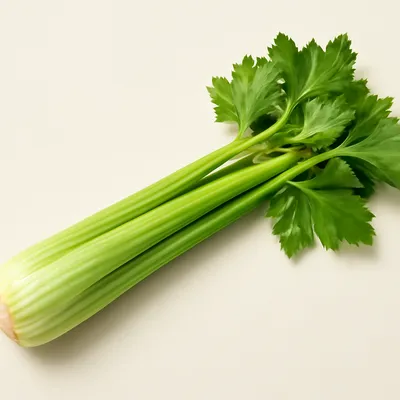

The word zimino traces to the Arabic samīn, meaning 'dense and fatty,' carried into Ligurian usage through Genoa's centuries of Mediterranean trade. Italian culinary historians note that the specific technique of braising cuttlefish with chard — rather than peas — probably crystallized in the Ligurian-Tuscan coastal corridor, diverging from Pellegrino Artusi's older seppie e piselli recipe; the Pisan trattoria tradition is identified as a likely early adopter. Genoa absorbed the preparation wholesale, and by the 19th century it appeared on the daily slate of every neighborhood eating house. Sailors prized similar preparations because chard and dried chickpeas were lightweight stores for long voyages. A winter variant adds boiled chickpeas to extend the dish.
A rust-colored broth, deeply briny and faintly sweet from tomato, threads through tender cuttlefish ribbons and silky collapsed chard. The toasted bread soaks it all up into something close to a stew.
Cuttlefish is rich in collagen; sustained simmering at 85–90°C hydrolyzes collagen fibers into gelatin, thickening the broth and giving it a lip-coating quality. Its muscle proteins — primarily actin and myosin — denature and firm without toughening when held below a rolling boil. The soffritto step caramelizes onion sugars and concentrates glutamates from celery and carrot, building a savory base. Tomato pectin and soluble fiber from the chard further body the sauce as cooking proceeds.
Variations
A winter version folds boiled chickpeas into the stew for added substance. The same zimino method is applied to salt cod (baccalà in zimino) across Tuscany and Liguria. Spinach can substitute or supplement the chard. Some Genoese versions omit carrot from the soffritto to keep the flavor purely maritime.
On the Palate
Where Seppie in Zimino sits in the Italian flavor cloud
Ingredients
Serves 4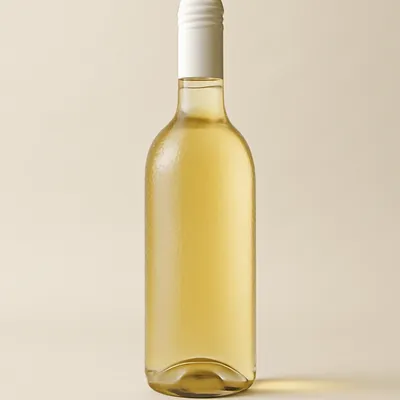

How it's made
7 steps · 15 min
- 110 min
Clean cuttlefish under cold water: remove the transparent quill bone, ink sac, eyes, and beak; peel away the purple skin. Cut the bodies into 3 cm strips and the tentacles into short pieces. Pat dry.
Watch outThe cuttlefish is clean once the purple skin peels off in sheets and the flesh gleams ivory-white — any grey film left means more rinsing.
- 28 min
Wash Swiss chard thoroughly. Strip leaves from stems. Blanch leaves in well-salted boiling water for 2 minutes, drain, squeeze firmly, and chop coarsely. Slice the stems into 2 cm lengths.
- 38 min
Heat olive oil in a wide heavy pan over medium heat. Add the diced onion, celery, and carrot and cook, stirring occasionally, until completely softened and lightly golden, about 8 minutes.
- 45 min
Add the cuttlefish strips and chard stems to the soffritto. Season with salt and pepper. Cook, stirring, for 5 minutes until the cuttlefish turns uniformly opaque.
Watch outCook the cuttlefish just until it turns uniformly opaque and firms up — past that it toughens before the long simmer can soften it.
- 52 min
Pour in the white wine and raise the heat; let the alcohol cook off for 2 minutes, scraping up any fond.
- 62 min
Stir in the tomato passata and the blanched chard leaves. Mix well to combine, then reduce to the lowest heat and cover the pan.
- 740 min
Simmer gently for 35–40 minutes, stirring every 10 minutes, until the cuttlefish is completely tender and the broth is richly flavored and slightly reduced. Adjust seasoning. Rest 15 minutes before ladling over thick slices of garlic-rubbed toasted bread.
Watch outKeep it at a bare shiver, never a rolling boil — a hard boil seizes the cuttlefish tough; it's done when a piece gives with no chew.
Archive tool suggestions — not reviewed
These legacy suggestions have not been evidence-reviewed and are not presented as required tools.



