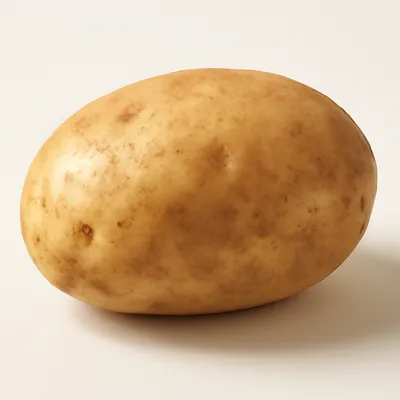
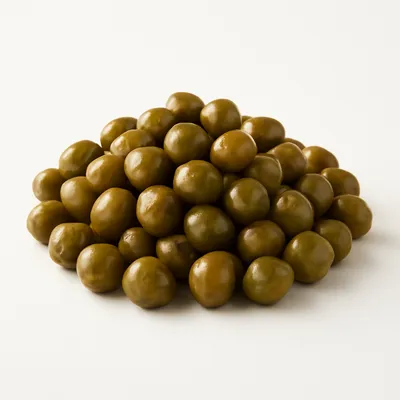
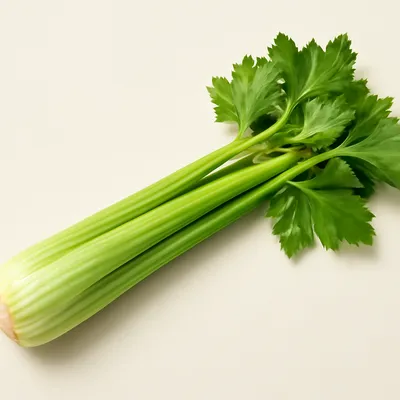
Messina's stockfish braise, cooked a ghiotta. Air-dried Norwegian cod, soaked back to life, is simmered slowly in a loose tomato sauce with potatoes, green olives, capers, celery and onion until the fish flakes and the potatoes drink up the sauce. A dish of the poor turned civic emblem, it belongs above all to the meatless days of the Catholic calendar, Christmas Eve and Good Friday, and the leftover sauce is saved to dress a plate of pasta the next day.


Stockfish reached Messina through its port. From around the fifteenth century, cod dried in the icy winds of Norway's Lofoten islands travelled south with the ships of the north, which carried great stores of it because, unlike fresh fish, it kept without trouble; the surplus was traded in the harbour for fresh Sicilian food. In a city ringed by fresh fish that the poor could not always afford, the cheap, keepable cod became a staple, and Messinese cooks turned it into the rich a ghiotta stew, ghiotta meaning abundant and good in the local dialect. The tradition gathered its own folklore around the innkeeper known as Don Fanu, Francesco Arena, whose putia was long the city's temple of pesce stocco, both cooked to order and sold to take home.
Deep and savoury, the soft flakes of cod carrying a concentrated, almost meaty sea flavour that only drying gives. The sauce is bright with tomato and salty-sharp with olives and capers, the potatoes soft and full of it, celery keeping everything fresh. Homely, warming and generous, a whole meal in one pan.
Air-drying is the whole secret. Hung in the cold, dry wind of the Lofoten, the cod loses most of its water and, as enzymes slowly break its proteins down, builds up free amino acids, above all glutamate, that give dried cod a far deeper savour than fresh; the low temperature and falling moisture keep it from spoiling while this concentration happens. Days of soaking in frequently changed water rehydrate the flesh and draw off excess salt and any bitterness. The long, gentle braise then does two things at once: it softens the reconstituted fish and its collagen to a tender flake, and it lets that stored glutamate seep out to meet the glutamate of the tomatoes, so sauce and fish amplify each other. The potatoes' starch thickens the sauce and carries the flavour, which is why the leftover ghiotta is prized for pasta.
Variations
Recipes differ over the details: some cooks add pine nuts and a few raisins for a faintly sweet-sour note, others carrots, a little chilli, or a handful of Pantelleria capers. Potatoes are near-universal, but the balance of tomato, olives and capers is a matter of household pride. The same stockfish is stewed all along the Strait, into Reggio Calabria on the mainland side, and Messina keeps a standing rule of its own: never waste the sauce, which dresses spaghetti or maccheroni the following day.
On the Palate
Where Stocco alla Messinese sits in the Italian flavor cloud
Ingredients
Serves 6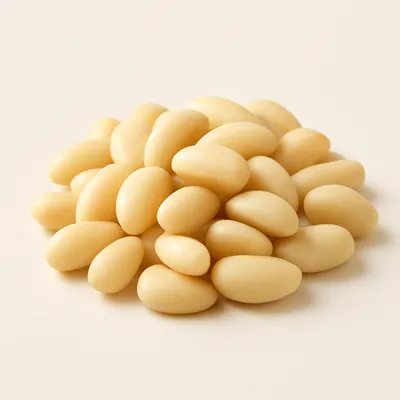

How it's made
8 steps · 25 min
- 110 min
In a wide pan, soften the chopped onion and celery in olive oil to a fragrant base.
- 215 min
Add the tomato passata and a little water and simmer to a loose sauce.
- 35 min
Slip in the soaked stockfish pieces, spooning the sauce over them.
- 48 min
Add the potatoes cut in chunks, the green olives, capers and pine nuts.
- 545 min
Cover and braise gently, shaking the pan rather than stirring, until the fish flakes and the potatoes are tender.
Watch outBraise gently and shake the pan instead of stirring — the rehydrated fish falls apart if you stir it, so let it settle until it flakes and the potatoes soften.
- 63 min
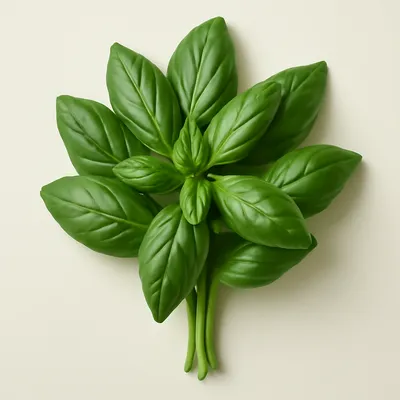
Check the salt and tear in the fresh basil.
- 715 min
Take off the heat and let it settle so the flavours come together.
- 83 min
Serve, holding back some of the sauce to dress pasta the next day.
Archive tool suggestions — not reviewed
These legacy suggestions have not been evidence-reviewed and are not presented as required tools.



