
A pork-trimmings dish from Reggio Calabria, the classic 'nothing wasted' use of the slaughtered pig. The less noble cuts — rind, ears, snout, trotters, shank, belly, ribs and odd scraps of meat — are simmered for hours in their own melted lard inside a wide copper cauldron until tender and richly browned. The pieces are lifted out hot, drained, dusted with black pepper and eaten with bread, often stuffed into a round of pitta bread on the spot. It is a winter ritual food, sold steaming from butchers and pork stalls and tied to the city's feast days.

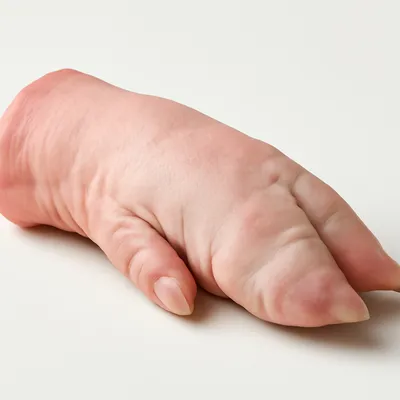


Frittole are a documented traditional food of Calabria — listed among Italy's official Prodotti agroalimentari tradizionali (PAT) — and are most strongly identified with Reggio Calabria, though related preparations are eaten across the provinces of Cosenza, Crotone, Catanzaro and Vibo Valentia. The dish grew out of the household pig slaughter and the old need to use and preserve every part of the animal by cooking it in lard, the trimmings left over once the prime cuts had gone to sausage and cured meats. By tradition the pig is killed in the stretch between the feast of the city's patroness, the Madonna della Consolazione, and Carnival, and frittole are a winter dish associated with that season, with Christmas and especially with Fat Thursday (Giovedì Grasso). Whatever solids and fat remain at the bottom of the cauldron are saved as curcùci (called scarafuagli or similar elsewhere), eaten later with bread or in savoury breads. No single founding date is recorded.
Deeply porky and rich. The skin and rind turn soft and gelatinous, the ears and trotters bring a sticky, collagen-heavy chew, and the meatier scraps stay tender and shred easily, all of it carrying the toasty, savoury flavour of long cooking in lard. There is no sauce — the pieces are eaten warm and a little fatty, lifted by a heavy hit of black pepper and the dry chew of bread or pitta around them. The curcùci scraped from the bottom are crispier and more concentrated, like Calabrian cracklings.
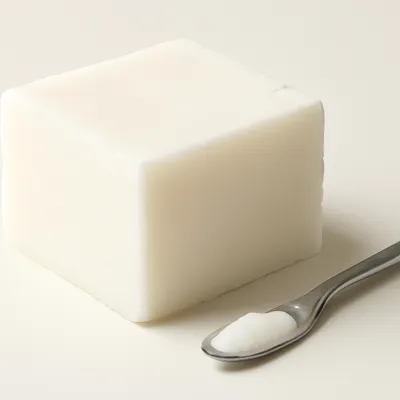
This is confit logic on a rustic scale. Held submerged in melted lard at a low, steady heat for hours, the tough collagen-rich parts — rind, ears, trotters, shank — slowly convert their connective tissue into gelatin, which is why they turn from rubbery to meltingly soft; cooking in fat rather than water means the pieces never boil away their flavour and instead brown and concentrate. The fat itself, well below frying temperature for most of the cook, gently renders and bastes everything, and historically this same lard sealed and preserved the cooked meat for keeping. The work is slow and attentive: the cauldron must be stirred and skimmed so nothing scorches, and the harder cuts go in first while quicker ones are added later so all the pieces finish tender together. At the end the heat is often raised briefly to crisp the surfaces, and the browned residue is collected as curcùci.
Variations
The exact mix of parts is a matter of household and butcher: rind, ears, snout, trotters, shank, belly, ribs, tongue and assorted lean scraps all turn up, and recipes range from leaner cuts to very fatty, gelatinous ones. The dish carries different local names and residues across Calabria — curcùci around Reggio, scarafuagli and other terms elsewhere — and the leftover scraps reappear in savoury breads such as a pitta filled with frittole or curcùci, eaten through the season. Some sell it loose by weight from the cauldron to eat with bread; some stuff it into pitta on the spot. Versions exist with and without chilli, the latter very Calabrian.
On the Palate
Where Frittole sits in the Italian flavor cloud
Ingredients
Serves 8

How it's made
5 steps · 1 hour active + 6 hours waiting
- 140 min
Cut all the pork parts — rind, ears, snout, trotters, shank, belly, ribs and any lean scraps — into manageable pieces. Clean the rind and trotters well and singe off any bristles. Render a good quantity of pork lard in a wide, heavy pot or copper cauldron.
- 210 min
Bring the lard to a gentle heat. Add the hardest, most collagen-rich pieces first — rind, ears, trotters, shank — submerging them in the fat, and season with salt. Keep the heat low and steady, not frying-hot.
Watch outKeep the lard low and steady, well below frying heat — the tough collagen parts have to slowly turn to gelatin; boil it and they toughen and the fat scorches.
- 3240 min
Cook very slowly, stirring often and skimming as needed so nothing sticks or scorches, for several hours. Add the quicker-cooking meatier scraps part-way through so all the pieces become tender at the same time.
- 425 min
When everything is soft and richly browned, raise the heat briefly to crisp the surfaces. Lift the pieces out with a slotted spoon, drain off the excess lard and dust generously with black pepper. Scrape the browned residue from the bottom and reserve it as curcùci.
Watch outOnly at the very end raise the heat to crisp the surfaces — after hours submerged, this final blast is what browns and crisps the outside.
- 510 min
Serve the frittole hot, with plenty of bread or stuffed into a round of pitta. Strain and keep the lard; the meat and curcùci can be stored submerged in it for later use.
Archive tool suggestions — not reviewed
These legacy suggestions have not been evidence-reviewed and are not presented as required tools.



