
A festive sweet of Agnone in high Molise: a thin, brittle layer of caramelised honey, toasted almonds and walnuts pressed between two round communion-style wafers, the ostie. The nut-and-honey filling is cooked to a sticky, amber praline, spread hot over a wafer, capped with a second and pressed flat, then cooled until it sets crisp and is cut or snapped into pieces. It is a Christmas and feast-day confection, crackling and brittle, the wafers shattering to release the honeyed, toasted nuts. Closely related filled-wafer sweets are made elsewhere in the centre-south; the Agnone version is known as ostie piene, «filled wafers».

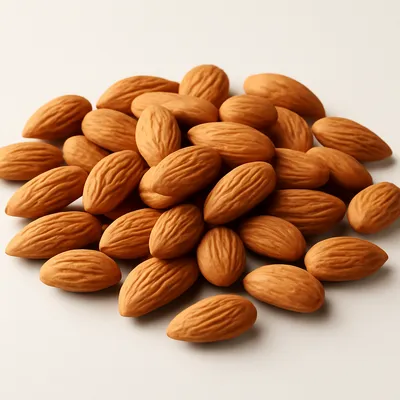


Agnone, the old craft town of the Alto Molise famous for its bell foundry and coppersmiths, has a confectionery tradition of its own, and the ostie piene are among its best-known sweets, made for Christmas and feast days. The wafer itself — the ostia — is the same thin baked communion wafer cooked between hot irons, and the filling of honey, almonds and walnuts is the kind of nut-and-honey confection long made across central and southern Italy, where wafers were a common way to carry a sticky praline. Filled-wafer sweets of this type are documented in the south, the best known being the ostie ripiene of Monte Sant'Angelo in Puglia; the Agnone version belongs to the same family but is a distinct local specialty, its precise origins a matter of town tradition rather than firm record.
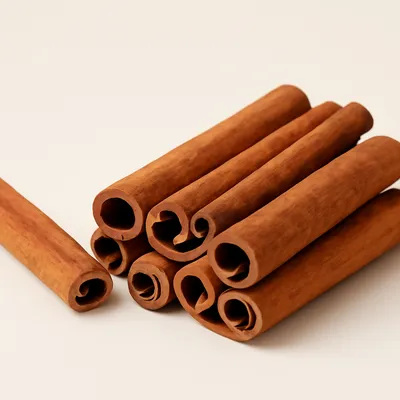
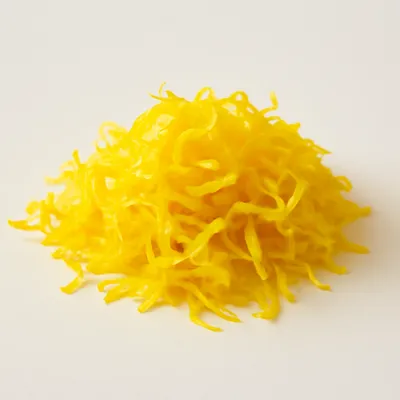
Crisp, brittle and intensely sweet. The thin wafers crack at the first bite to reveal a glassy, sticky layer of honey-bound nuts — toasted almonds and walnuts with their warm, oily, slightly bitter depth set against the floral sweetness of caramelised honey, often lifted with cinnamon and a little citrus zest. The texture is the pleasure: the dry snap of the ostia, the brittle shatter of the set praline, the crunch of the nuts. It is rich and best in small pieces with coffee or a sweet wine; freshly made it is crisp, but in damp air the wafers soften and lose their snap, so it is kept dry.
The filling is a honey praline: honey is heated with sugar until it reaches a high caramel stage, where most of the water has boiled off and the sugars brown and develop flavour, then toasted nuts are folded in and the mass is spread while still hot and fluid. As it cools, the concentrated sugar sets to a hard, brittle, glassy sheet that snaps cleanly — the same setting as in torrone or croccante — while toasting the almonds and walnuts first drives off moisture and develops their flavour through Maillard browning. The wafers, baked thin and dry between irons, are crisp and hygroscopic; they cap the sticky filling, are pressed so it spreads in an even layer, and keep the praline manageable to hold and cut — but because both wafer and caramel draw moisture from the air, the finished sweet must be kept dry to stay crisp.
Variations
The nuts and aromatics vary — almonds alone, or with walnuts or hazelnuts, scented with cinnamon, lemon or orange zest — and the sweetener may be honey, cooked grape must (mosto cotto) or sugar, giving a darker or paler praline. Some are made small and round, the size of the wafer; others are spread on large sheets and cut into squares. The filled-wafer idea recurs through the centre and south, the most famous being Puglia's ostie ripiene of Monte Sant'Angelo and the related nevole and cialde; within Molise it sits among Agnone's festive sweets, alongside the town's prized confetti.
On the Palate
Where Ostie Piene sits in the Italian flavor cloud
Ingredients
Serves 8How it's made
7 steps · 40 min
- 110 min
Toast the almonds and walnuts in a dry pan or low oven until fragrant, then chop them coarsely.
- 212 min
Warm the honey with a little sugar in a heavy pan and cook to a deep amber caramel, stirring, until thick.
Watch outCook the honey and sugar to a deep amber caramel — it must boil off most of its water and hit the hard-crack range, or the filling won't set brittle and glassy when it cools.
- 33 min
Stir in the toasted nuts, a little cinnamon and grated citrus zest, and mix to coat evenly.
- 45 min
Lay out wafers and quickly spread a layer of the hot nut mixture over each.
Watch outSpread the hot nut mixture and cap quickly while it's still fluid — it sets fast, so work fast; once it starts hardening the wafers won't bond.
- 53 min
Cap each with a second wafer and press flat so the filling spreads to the edges.
- 630 min
Leave to cool completely so the filling sets hard and brittle.
- 75 min
Trim or snap into pieces and store airtight in a dry place.
Archive tool suggestions — not reviewed
These legacy suggestions have not been evidence-reviewed and are not presented as required tools.


