
The dark, dense Christmas cake of Terni, in southern Umbria — a dome of walnuts, almonds, hazelnuts and pine nuts bound with dark chocolate, cocoa, honey, candied fruit, raisins, coffee and a real hit of black pepper and warm spice. Its name means 'peppered bread', and the chocolate and cocoa folded right into the dough set it apart from its medieval cousins. It bakes into a near-black dome studded with whole nuts, keeps for weeks, and is sliced thin and eaten through the holidays. In 2020 it became the first Umbrian sweet to win EU protected status as 'Pampepato di Terni' / 'Panpepato di Terni' (PGI).

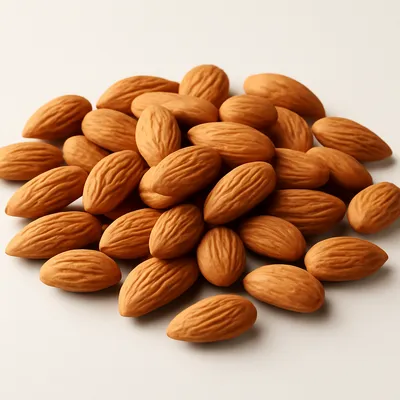
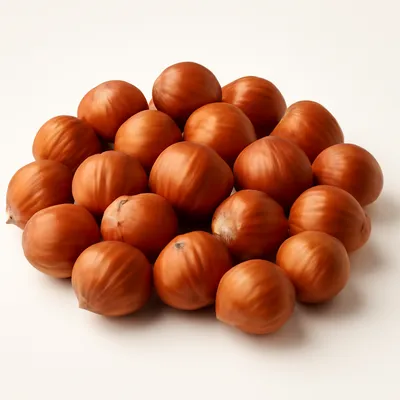

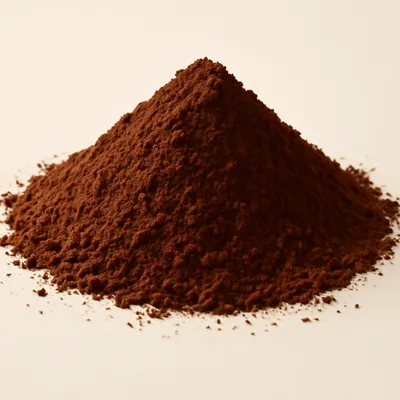

Pampepato di Terni belongs to the medieval family of spiced fruit-and-nut cakes of central Italy, but it is the chocolate-and-cocoa-rich southern Umbrian member, made above all at Christmas in and around the city of Terni. Its name is from pan pepato, 'peppered bread', for the black pepper in the spice; the spelling shifted from panpepato to pampepato in Terni in the 1920s, and both forms are still used. The firm documented anchor in its history is recent: in 1913 the Terni pastry chef Spartaco Pazzaglia opened his shop, set down the recipe and spread the pampepato as the sweet of the city. Older origins — Renaissance, or even Roman, suggested by the rich spicing — are floated by some sources but not documented, and the convent and ducal-banquet stories belong to the related cakes of Siena and Ferrara, not to Terni. In 2020 the European Union registered 'Pampepato di Terni' / 'Panpepato di Terni' as a PGI (Protected Geographical Indication), under Implementing Regulation (EU) 2020/1538, making it the first sweet of Umbria to carry the mark; the protected area is the province of Terni plus a handful of bordering Perugia-province towns, and colorants and preservatives are forbidden.
Dense and compact, just short of chewy, shot through with the crunch of whole toasted nuts. The first thing the nose catches is chocolate, dried fruit and warm spice — cinnamon, nutmeg and that telltale pepper. The flavour follows the same order: bittersweet dark chocolate and cocoa lead, then the spice, then the sweetness of candied fruit and raisins, with the black pepper arriving at the back as a real, warming heat rather than a hint. A little goes a long way; it is sliced thin, almost like a salami of fruit and nuts, and eaten in small, rich pieces. The texture is firm and yielding at once, the crunch of nut against the dark, fudgy crumb.
This is less a baked cake than a bound confection: there is very little flour, and the dough is mostly nuts, dried and candied fruit and chocolate held together by honey, sometimes with cooked grape must. Honey is the structural trick — its sugars hold moisture and set into a chewy, fudgy matrix that grips the nuts, and that high-sugar, low-water body is also a natural preservative, which is why the cake keeps for weeks without spoiling, exactly what a medieval winter sweet needed. Toasting the nuts before they go in develops their oils and deepens their flavour and crunch through the Maillard reaction, so they stand out against the soft dark crumb. The chocolate and cocoa, folded into the dough rather than glazed on, carry the bittersweet, almost savoury backbone and the near-black colour. The black pepper and warm spices are not decoration: heavy spicing was the signature of these cakes from the age when pepper was costly and prized, and here the pepper's gentle heat plays against the sweetness and the fat of the nuts.
Variations
The protected recipe allows real latitude: honey may be joined or replaced by cooked grape must, and a liqueur, extra coffee, sugar, orange peel or a wafer base may be added, so makers differ on sweetener and on how boozy or coffee-forward the cake runs. Sizes range from small individual cakes to celebratory rounds of a kilogram and more. It should not be confused with its relatives: Ferrara's pampepato is typically coated in a chocolate glaze rather than carrying the cocoa inside, while Siena's panforte and panpepato lead with candied citrus and spice and little or no chocolate. Terni's defining difference is exactly that chocolate-and-cocoa, plus coffee, folded into the dough — a darker, more bittersweet identity than the older citrus-and-spice cakes it descends from.
On the Palate
Where Pampepato di Terni sits in the Italian flavor cloud
Ingredients
Serves 10

How it's made
7 steps · 40 min
- 112 min
Toast the walnuts, almonds, hazelnuts and pine nuts until fragrant, then roughly chop the larger ones, leaving some whole.
- 28 min
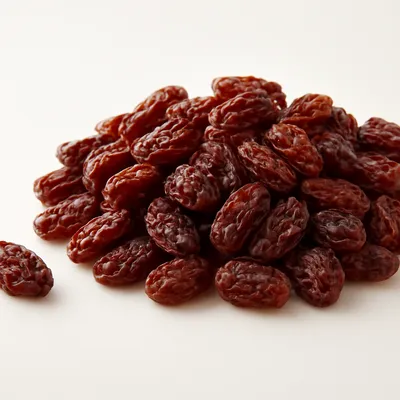
Chop the candied fruit and dark chocolate, and soak the raisins until plump.
- 36 min
Warm the honey (with cooked grape must, if using) until fluid, and stir in cocoa, brewed coffee and the spices — cinnamon, nutmeg and plenty of black pepper.
Watch outWarm the honey just until fluid — it's the structural glue that sets into a chewy, fudgy body gripping the nuts, so keep it pourable and don't cook it hard.
- 45 min
Off the heat, fold in all the nuts, raisins, candied fruit and chopped chocolate, then work in just enough flour to bind into a stiff, sticky mass.
Watch outWork in only just enough flour to bind into a stiff, sticky mass — this is a bound confection, not a cake, so more flour dries it out.
- 54 min
Shape the mixture by hand into a compact dome on a lined tray, smoothing the surface.
- 640 min
Bake in a moderate oven until set and firm; it should stay dense and dark, not dry out.
- 710 min
Cool completely so it firms up, then keep wrapped; serve in thin slices.
Archive tool suggestions — not reviewed
These legacy suggestions have not been evidence-reviewed and are not presented as required tools.


