Bologna's medieval Christmas cake, dense and dark-hued, sweetened with wildflower honey and enriched with dark chocolate, almonds, pine nuts, raisins, candied citron, anise seeds, and cinnamon. Leavened with ammonium bicarbonate, the dough rests overnight before baking, yielding a compact, moist crumb that keeps for weeks.





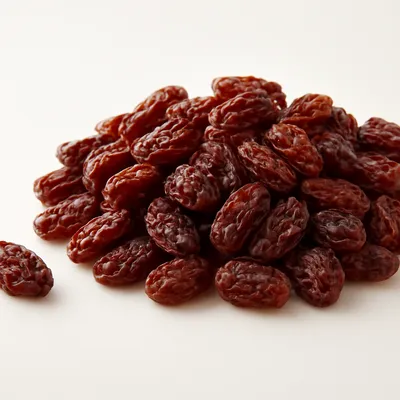
Medieval Bologna's speziali—apothecary-spicers who traded herbs, dried fruits, and exotic spices—baked a spiced honey bread called panspeziale as a medicinal confection. Carthusian monks at the Certosa (today Bologna's Monumental Cemetery) later refined the recipe to such renown that the cake took their name: certosino. Whether the name derives from the Carthusians or from the Bolognese dialect pan spzièl (special bread) remains debated. In June 2003 the Accademia Italiana della Cucina's Bologna branch deposited the official recipe with the Chamber of Commerce after archival research, codifying the canonical ingredients and proportions.
A dense, moist cut face studded with fruit and nut cross-sections; on first bite, honey's warmth spreads first, followed by the mild bitter depth of dark chocolate, the cool licorice note of anise seeds, and a bright citrus pop from candied citron. Pine nuts and almonds deliver intermittent crunch.
Ammonium bicarbonate decomposes on heating, releasing ammonia and carbon dioxide that leaven the dough without yeast; the dense, honey-sweetened matrix limits gas expansion, producing the characteristically compact crumb. Overnight resting allows spice essential oils to permeate the flour and honey's sugars to hydrate the starch granules, yielding a more uniform, moist baked result. Honey's fructose and glucose also undergo Maillard browning at relatively low temperatures, contributing the cake's deep color.
Variations
Panone from Molinella is a related tradition with more candied fruit and a lighter, leavened texture; some family recipes use fig jam in place of raisins; older versions occasionally incorporated dried figs; festival presentations often stud the surface with whole almonds; a Panone di Natale variant from the broader Bolognese area adds citrus zest to the honey base.
On the Palate
Where Certosino di Bologna sits in the Italian flavor cloud
Ingredients
Serves 10


How it's made
7 steps · 20 min
- 110 min
Gently warm honey in a saucepan over low heat until fluid; remove from heat and stir in chopped dark chocolate until completely melted and smooth.
- 25 min
In a large bowl, combine flour, ammonium bicarbonate, cinnamon, and anise seeds; add raisins, pine nuts, chopped almonds, and candied citron, and stir to distribute evenly.
- 310 min
Pour the warm honey-chocolate mixture into the dry ingredients and work together into a firm, uniform dough, adding a splash of water if needed.
- 4480 min
Cover the dough tightly and leave to rest at room temperature for 8–12 hours overnight to bloom spices and hydrate gluten.
Watch outRest the dough overnight before shaping — this lets the spices bloom through and the honey hydrate the flour; bake it right away and it's harsh and the crumb won't be even.
- 55 min
Shape the rested dough into a thick round loaf on a parchment-lined baking tray; press whole almonds into the surface for decoration if desired.
- 655 min
Bake in a preheated 160 °C oven for 50–60 minutes until a skewer inserted in the center comes out clean; cool completely on a rack.
- 75 min
Serve in thin slices, traditionally accompanied by a spoonful of quince mostarda.
Archive tool suggestions — not reviewed
These legacy suggestions have not been evidence-reviewed and are not presented as required tools.


