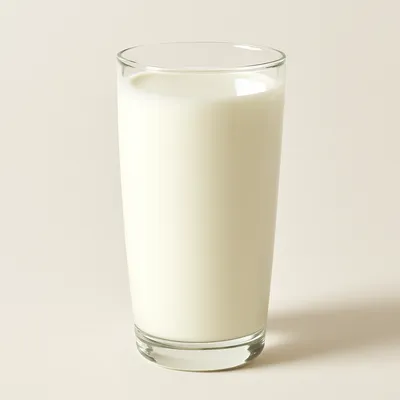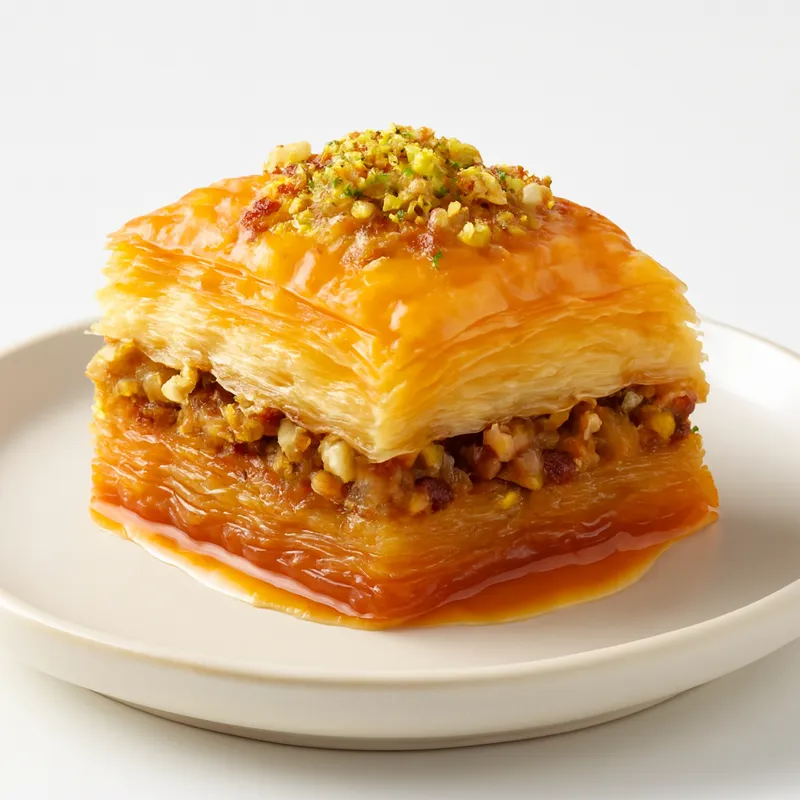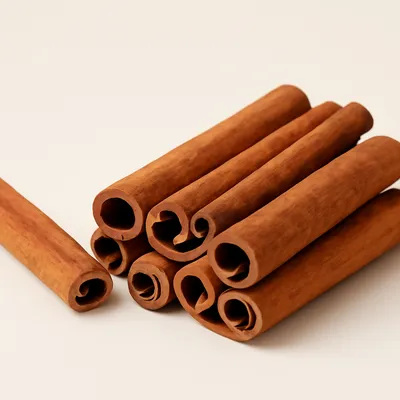
The sweet hug that spices up both dessert and stew.
Sweet-spicy bark with dominant cinnamaldehyde; warmly aromatic in both sweet and savory contexts.
Where it comes from
Once valued more than gold, cinnamon has historical roots in ancient Egypt, where it was used in embalming and ceremonial practices, signifying its esteemed status.
In the kitchen
Sprinkled or ground into both sweet pastries and savory stews, cinnamon adds depth and warmth, balancing flavors with its unique sweetness.
Across cuisines
Mexican cooking uses Ceylon cinnamon (canela) almost exclusively — the soft, papery, multi-layered quills that grind to powder easily without a heavy-duty spice grinder. In Asado Chiapaneco, whole canela sticks are toasted in lard alongside chili and clove. Arroz con Leche Mexicano uses a long-simmered canela stick that perfumes the milk. The key distinction from cassia: canela's lower coumarin means larger quantities are used without medicinal harshness.
In North Indian cooking, cinnamon (dalchini) is used as a whole stick, added to hot ghee at the first stage of a biryani or korma alongside cardamom, clove, and black peppercorn — it blooms briefly in the fat and is not eaten. Ground cinnamon appears in garam masala blends, typically as a minor component balanced against clove, cardamom, and nutmeg. Awadhi Dum Biryani uses whole dalchini as part of the khada masala (whole spice) layer.
Pho broth requires whole cinnamon quills (typically Vietnamese cassia — Cinnamomum loureiroi — which is higher in essential oil content than Ceylon or Chinese cassia) charred alongside star anise, clove, and cardamom before simmering with beef bones for 6–12 hours. The cinnamon contributes a warm, resinous foundation to the broth without reading as a distinct flavor note. Bo Kho also uses whole cassia quills.
Notable varieties
Cinnamomum verum. Thin, multiple-layered quills that roll together to form a soft log. Lower coumarin than cassia varieties — legally required in the EU for 'cinnamon.' Sweeter, more delicate, with floral citrus notes. Standard in Mexican canela preparations and Italian pastry.
Highest essential oil content of common cinnamon types — up to 5% cinnamaldehyde. Strong, spicy, slightly resinous. The preferred cinnamon for pho broth and Vietnamese spice blends; the intensity means less is used compared to Ceylon.
Cinnamomum cassia or C. aromaticum. Thick, single-rolled bark; the dominant form sold as 'cinnamon' in North America and Asia. Higher coumarin than Ceylon. Stronger, more pungent, slightly bitter edge. Used in Chinese five-spice and braised dishes like Bazi Rou.
Nutrition (per 100g)
AI-estimated; model and run unavailable.
Pairs well with