



Arroz con leche came to Mexico via Spanish convents after 1521 — milk, rice, sugar, and cinnamon are all post-conquest imports. The Mexican distinction from peninsular versions is the use of sweetened condensed milk, which entered Mexican home cooking heavily after Nestlé and La Lechera became household brands in the 1930s-50s. Canela (true Ceylon cinnamon, imported through Spanish trade routes) is the standard, not cassia — Mexico is one of the largest per-capita consumers of true cinnamon in the world.
Came to Mexico via Spanish convents after 1521 — milk, rice, sugar, cinnamon are all post-conquest imports. The condensed-milk addition is a 1930s-50s shift, when Nestlé and La Lechera brands took hold. Mexico is one of the largest per-capita consumers of true Ceylon canela in the world.
A spoon lifts thick milk-clouded rice that holds its shape briefly before slumping back — grains are soft but distinct, not pasty. Sweetness comes in two layers: condensed-milk caramel underneath, fresh milk on top. Canela is the lead aromatic, raisins give chewy bursts of sour-sweet. Eaten warm it tastes of comfort kitchen; chilled, it tightens to a rice-pudding cake. If grains are blown out and mushy, the rice cooked too long before the milk went in.
Two-stage cooking is the load-bearing detail. Cooking rice in water first lets the grain hydrate without milk proteins blocking starch swell — milk added too early gives undercooked, chalky grains and watery sauce. Once the rice is nearly tender, milk goes in and the residual starch on the grain surface thickens the sauce as it reduces. Condensed milk also raises the sugar content, which slows starch retrogradation — that's why it stays creamy when chilled instead of turning to sandy paste.
Variations
Central Mexican standard uses canela, raisins, condensed milk; Yucatecan version adds vanilla bean and a splash of sherry; Spanish arroz con leche skips condensed milk and broils the sugar top; Filipino champorado is the chocolate-rice cousin.
On the Palate
Where Arroz con Leche Mexicano sits in the Mexican flavor cloud
Ingredients
Serves 6


How it's made
5 steps · 50 min active + 20 min waiting
- 13 min
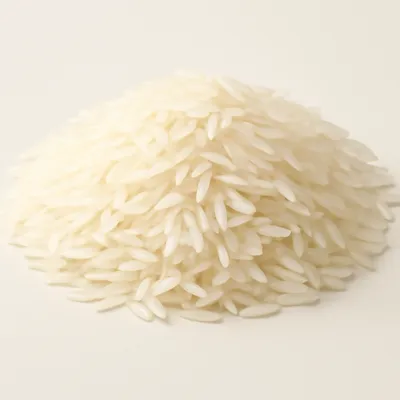
Rinse 200g long-grain white rice in a sieve until water runs nearly clear — three or four passes. Rinsing removes excess surface starch so the pudding ends up creamy, not gluey.
- 220 min
In a heavy pot, combine the rice with 500ml water, one 8-10cm stick of canela (Mexican cinnamon, soft-bark Ceylon-type), and a strip of lime peel. Bring to a boil, drop to low, cover and cook 18 minutes until water is mostly absorbed and rice is just shy of tender.
Watch outUse canela, not cassia — Mexican cinnamon is softer-barked and dissolves into the milk; cassia is harder and stays bitter.
- 325 min
Pour in 750ml whole milk and one 397g can sweetened condensed milk. Stir, raise to a low simmer, uncovered. Cook 20-25 minutes stirring every 2-3 minutes, especially across the bottom — milk pudding scorches there first.
Watch outWhen the spoon leaves a brief track on the bottom, it's close. Pull a touch before you think it's done — it tightens as it cools.
- 44 min
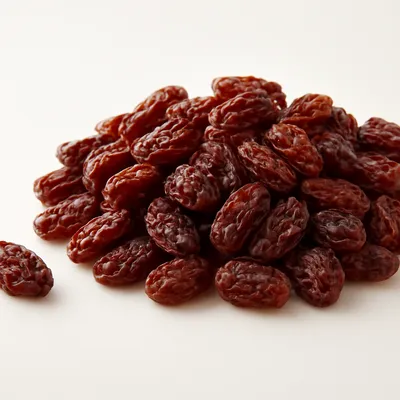
Stir in 60g raisins (plumped 10 minutes in hot water or a splash of rum, drained), 1 tsp vanilla, and a pinch of salt. Cook 3 more minutes, then taste — should be sweet, milky, with the cinnamon as the back-note.
- 52 min
Discard the cinnamon stick and lime peel. Spoon into glass cups or one wide bowl. Eat warm, room-temp, or chilled — Mexican households serve all three. Dust with ground cinnamon just before eating.
Archive tool suggestions — not reviewed
These legacy suggestions have not been evidence-reviewed and are not presented as required tools.