
Tiny native lake fish from the highland lakes of Michoacán — anchovy-sized — fried whole crisp and eaten head-and-all with lime, salt, and salsa.



Charales are endemic to Lake Pátzcuaro and a small group of Michoacán crater lakes; they have been a staple protein of the P'urhépecha lakeshore for at least a millennium, eaten fresh in season and sun-dried for storage. They are also under threat — water-level decline, agricultural runoff, and deforestation for avocado expansion have collapsed Pátzcuaro fish populations since roughly 2000 — a controlled study found the degradation is not simply due to invasive carp, and what was once an everyday food has become an occasional one. Markets at Pátzcuaro, Janitzio island, and Quiroga still sell them, but quantities are well below historic norms.
Endemic to Lake Pátzcuaro and a cluster of Michoacán crater lakes — staple P'urhépecha protein for at least a millennium. Population has collapsed since around 2000 from carp invasion and runoff. At 5-7cm, deep-fry at 180°C for 90 seconds turns the bones glassy. Wet batter would steam them soft.
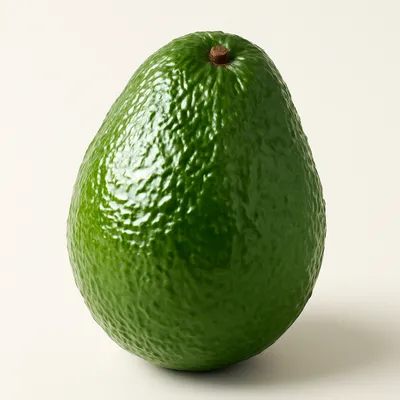
A handful of crackle — bones, fins, eyes, and all dissolve into a savoury, faintly bitter crunch dominated by lime and salt. Like an anchovy-sized fish-and-chip with no batter. Eaten loose by the handful, or rolled into a corn tortilla with avocado and salsa to make a taquito de charales. The Pátzcuaro market fondas serve them straight from the fryer at lunchtime, and the wait at the «Las Tinajas» stall on a Sunday is the regional benchmark.
The «eat them whole» part isn't a stunt — it's the technique. At 5-7cm, charales' skeleton is too small to need filleting; deep-fried at 180°C the bones go from gritty to glassy in 90 seconds, fragmenting like potato-chip splinters when chewed. The thin masa-harina coat (not a wet batter) keeps the surface dry so the high-temperature fry hits skin directly — wet batter would steam the fish soft. Fresh charales fry crisper than re-hydrated dried; dried charales bring more concentrated flavour but a tougher bite.
Variations
Las Tinajas at Pátzcuaro market is the Sunday benchmark; Janitzio island fries them with chile árbol; Quiroga rolls them into tacos with avocado; sun-dried charales are pounded into salt with chile and used as a year-round seasoning.
On the Palate
Where Charales sits in the Mexican flavor cloud
Ingredients
Serves 4How it's made
6 steps · 25 min active + 5 min waiting
- 15 min
Source 250g fresh or sun-dried charales (Chirostoma jordani, the native silverside of Lake Pátzcuaro). Fresh charales are silver, about 5-7cm long. Dried ones are lakeside-cured under sun and salt — the standard preparation outside the immediate lake region.
- 28 min
If using sun-dried, soak briefly in cold water 3 minutes to plump and remove excess salt — taste one. They should still be salty but no longer harsh. Pat dry on towels — water on the surface will spit oil violently.
Watch outSoak too long and the fish go mushy — 3 minutes is the line.
- 34 min
Toss the fish with 30g masa harina or fine cornflour and 1/2 tsp salt — a thin coating, not a heavy dredge. The starch crisps the skin and absorbs surface moisture.
- 46 min
Heat 500ml neutral oil to 180°C in a deep skillet or comal de aceite. Drop charales in in two batches — they should crackle immediately and bob to the surface. Fry 90 seconds per batch until deep golden and audibly crisp.
Watch outBelow 170°C and the fish absorb oil — they need to crisp fast.
- 52 min
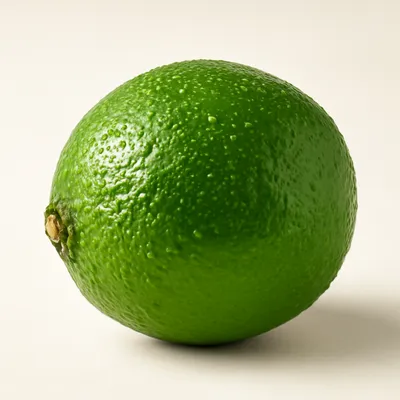
Lift onto paper towels with a slotted spoon. Salt lightly while hot. Squeeze fresh lime over.
- 65 min
Pile onto a plate with a small bowl of salsa de chile de árbol (toasted chile de árbol, garlic, lime, salt blended fine), avocado wedges, and warm corn tortillas for taquitos. Eat with fingers, head and all.
Archive tool suggestions — not reviewed
These legacy suggestions have not been evidence-reviewed and are not presented as required tools.
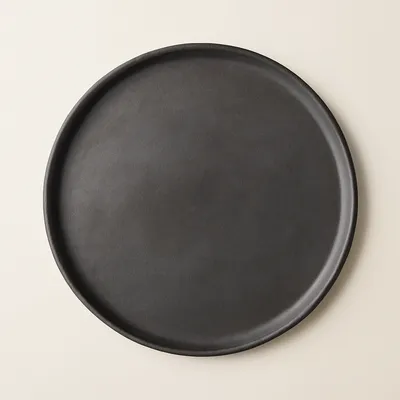
A flat round griddle of steel, cast iron, or unglazed clay, 30-50 cm across, the workhorse of the Mexican kitchen. It sits directly over a flame to toast tortillas (the puff happens in 30 seconds when the heat is right), char chiles for moles, blister tomatoes for salsas, and warm reheated leftovers. Clay comales (especially from Oaxaca) season with each use and impart a faint smoky tang that no metal version can fake.
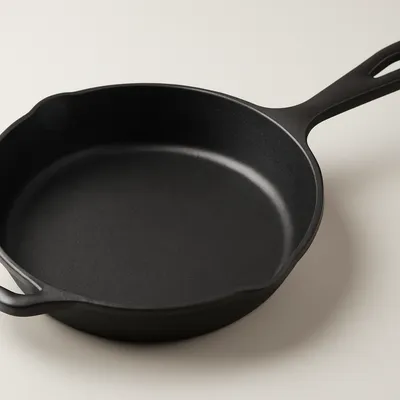
A heavy, single-piece cast iron pan, 25-30 cm across, weighing 1.5-2.5 kg. Once preheated, the thick mass holds 230°C+ even when a cold steak hits the surface — that's the secret to a deep crust. A well-seasoned skillet (multiple thin layers of polymerized oil baked into the iron) is essentially nonstick, gets better with use, and lasts a century. Lodge skillets from Tennessee have been in continuous production since 1896.


