A well-marbled cut taken from the chuck end of the beef rib, cooked simply over mesquite coals with nothing but coarse salt, and the cornerstone of the Monterrey carne asada. Aguja keeps its bone and a webbing of intramuscular fat that bastes the meat as it grills, so it stays juicy where leaner cuts dry out. It is sliced or pulled into warm flour tortillas with grilled onion, salsa and guacamole. In Nuevo León the asado is as much a social ritual as a meal, the cut chosen for flavor over tenderness.




Aguja is a butcher's cut from the chuck-rib, taken from the first several vertebrae of the diezmillo (the chuck), and is one of the defining cuts of the regio grill alongside short rib and costilla. Its prominence is inseparable from cattle ranching in the northeast: the colonization of Nuevo León and Coahuila from the late 1500s onward was built on stock-raising on the arid plateau, and beef became the regional protein in a way it is not in central or southern Mexico. The modern carne asada — open mesquite coals, coarse salt, flour tortillas, the whole gathering organized around the asador — is the social form that grew up around that cattle culture.
The crust is dark and salty off the live coals, smelling of mesquite smoke, while the inside stays pink and dripping. Because the cut is laced with fat, each bite is rich and beefy rather than lean and tight, with soft pockets of rendered marbling between the muscle. There is a faint chew near the bone and the deepest flavor right against it. Folded hot into a flour tortilla with charred onion and a sharp salsa, the fat and smoke carry the whole taco.
Mesquite is the technical choice, not just tradition: the dense hardwood burns hot and gives a strong, slightly sweet smoke that flavors the surface. Cooking directly over coals drives the Maillard reaction hard, building the dark, savory crust, while the cut's intramuscular fat melts and self-bastes from within — this is why a fattier, less tender chuck cut beats a lean tenderloin for asada. The seasoning is deliberately minimal, coarse salt only, drawing surface moisture so the crust can form and letting the beef and smoke speak. The meat is rested briefly before slicing so the juices redistribute.
Variations
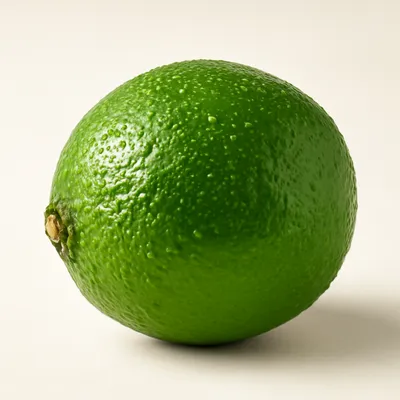
The regio asada plate rarely stops at aguja: it shares the grill with short rib, costilla, arrachera (skirt), and often chorizo, sausages and grilled spring onions. Some asadores add a thin marinade or a squeeze of lime, but purists insist on salt alone so the cut's own fat and the mesquite carry it. Boneless aguja is sold for an easier, faster grill; bone-in is prized for the flavor that sits against the bone.
On the Palate
Where Aguja Norteña sits in the Mexican flavor cloud
Ingredients
Serves 6

How it's made
8 steps · 25 min active + 15 min waiting
- 115 min
Light a bed of mesquite charcoal and let it burn down to even, glowing, ash-grey coals.
Watch outBurn the mesquite down to even, ash-grey glowing coals before the meat goes on — steady radiant heat builds the crust and mild sweet smoke; live flames just char the surface black.
- 210 min
Let the aguja come to room temperature and pat it dry.
- 32 min
Season generously on both sides with coarse salt just before grilling.
- 48 min
Lay the meat over the hottest coals and sear hard to build a dark crust, turning once.
Watch outSear hard over the hottest coals to build a dark crust — this fattier chuck cut self-bastes as its fat melts, so drive the Maillard browning hard; that dark crust is the flavor.
- 56 min
Move it to a cooler part of the grill if needed and cook to medium, keeping the inside pink and juicy.
- 66 min
Grill whole spring onions alongside until soft and charred.
- 74 min
Rest the meat a few minutes, then slice or pull it across the grain.
Watch outRest the meat a few minutes before slicing, and cut across the grain — resting lets the juices settle back in and cutting against the fibers keeps each slice tender.
- 83 min
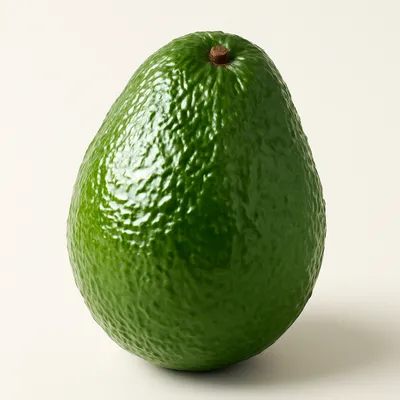
Serve in warm flour tortillas with the grilled onion, salsa and guacamole.
Archive tool suggestions — not reviewed
These legacy suggestions have not been evidence-reviewed and are not presented as required tools.