
The marinated, grilled diaphragm cut at the heart of Monterrey's grill culture — a long, thin, coarse-grained strip of beef, cousin to the American skirt steak, that is tenderized and seasoned in a citrus-and-spice marinade, then seared hard and fast over mesquite or charcoal. Cooked just past pink and rested, it is sliced across the grain into strips for tacos on hot flour tortillas. Arrachera is the standard meat of the northern carne asada, the backyard grill that anchors weekend and taco-night eating across Nuevo León.
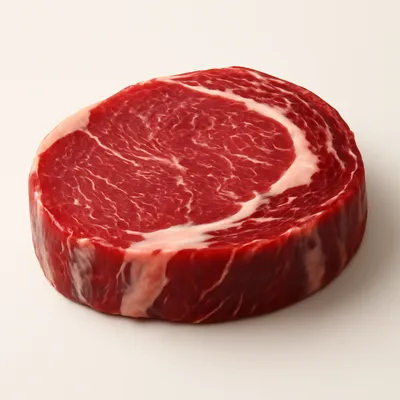
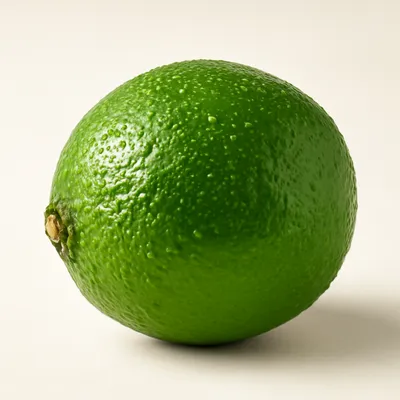


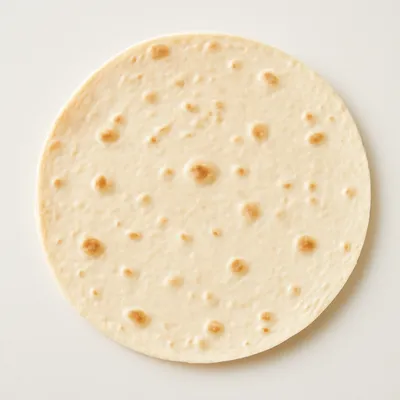

Arrachera became a named, sought-after cut in Monterrey, Nuevo León, in the 1970s. The diaphragm muscle had long been a cheap, overlooked piece; the popular account credits the Monterrey businessman José Inés Cantú, who around 1973 brought the cut back from the cattle markets of Laredo, Texas, to serve at his Monterrey restaurant. The story goes that to keep his source secret, Cantú coined the name "arrachera" — said to come from the French arracher, recalled from the strap that cinched a saddle to a horse's belly — so that rival restaurants ordering "arrachera" from their suppliers could not identify which part of the animal it was. Whatever the precise truth of the naming, the cut stabilized across Monterrey's asada grills through the 1970s and spread from the northeast to become one of Mexico's most popular grilling beefs.
Cut thin across its loose, ropey grain, arrachera eats tender but with real chew and a beefy, slightly mineral depth that fattier cuts lack. The hard sear over mesquite lays down a charred, smoky crust, while the inside stays juicy and just past pink; the marinade leaves a tangy, faintly limey, garlicky edge. Folded into a flour tortilla off the grill, with a squeeze of lime, a spoon of salsa, maybe grilled onions and a strip of chile, it is the taco the whole northern grill is built around.
Two things make the cut work. First, the marinade: an acidic mix of lime or other citrus with garlic, salt, pepper, and often a little oil and Worcestershire is worked into the meat for several hours, where the acid loosens the muscle's tough connective proteins and the salt helps it hold juice — important because the diaphragm is a hard-working, lean muscle that would otherwise eat chewy. Second, the cooking and the cut: arrachera is seared hot and fast so the thin strip browns deeply (Maillard) without drying through, then — crucially — sliced against the grain, cutting the long muscle fibers into short lengths so each bite is tender rather than stringy. Mesquite or charcoal adds the smoke that defines the northern asada; overcook it and the lean meat turns dry and tough.
Variations
Marinades range from a bare rub of lime, salt, and pepper to elaborate mixes with beer, soy or Worcestershire, orange juice, and garlic. Premium butchers sell the inside skirt (the prized cut) versus the chewier outside; cheaper menus sometimes pass off a different thin cut under the name. Arrachera anchors a full carne asada spread alongside grilled onions, chiles toreados, frijoles charros, and flour tortillas, and the grilled strips also go into alambres and fajita-style plates. North of the border the same diaphragm cut is the classic skirt steak.
On the Palate
Where Arrachera sits in the Mexican flavor cloud
Sear the thin cut hot and fast, then slice against the grain, because the diaphragm is a lean, hard-working muscle: a quick char keeps it juicy and cutting across the long fibers into short lengths is what turns each bite tender instead of stringy.
Ingredients
Serves 4How it's made
7 steps · 40 min
- 15 min
Trim the arrachera of excess membrane and pat dry.
- 25 min
Make a marinade of lime juice, garlic, salt, pepper, a little oil, and optional Worcestershire or beer.
- 3240 min
Coat the meat in the marinade and refrigerate several hours, up to overnight.
- 415 min
Build a hot mesquite or charcoal fire and let the grate get screaming hot.
Watch outThe grate is ready when you cannot hold a hand over it for more than a second or two; a cool grate steams the meat instead of searing it.
- 56 min
Take the meat from the marinade and grill over high heat, two to three minutes a side, until well charred outside and just past pink within.
Watch outTwo to three minutes a side is enough for a deep crust with a pink centre; press-test for just-firm-with-give rather than cutting into it.
- 64 min
Rest the meat a few minutes off the heat.
- 73 min
Slice thin across the grain and serve with hot flour tortillas, lime, and salsa.
Watch outSlice thin and straight across the grain; if the strands still look long and parallel on the cut face, you are going the wrong way.
Archive tool suggestions — not reviewed
These legacy suggestions have not been evidence-reviewed and are not presented as required tools.


