
Mexican
Corn, chili, chocolate — three ingredients that rewrote world cuisine.
Nixtamalization
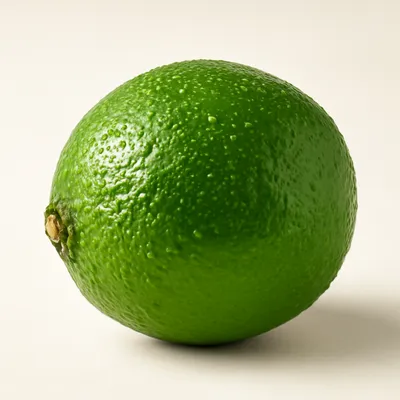
A traditional process of treating corn with lime to enhance its nutritional value and flavor, essential for tortillas and tamales.
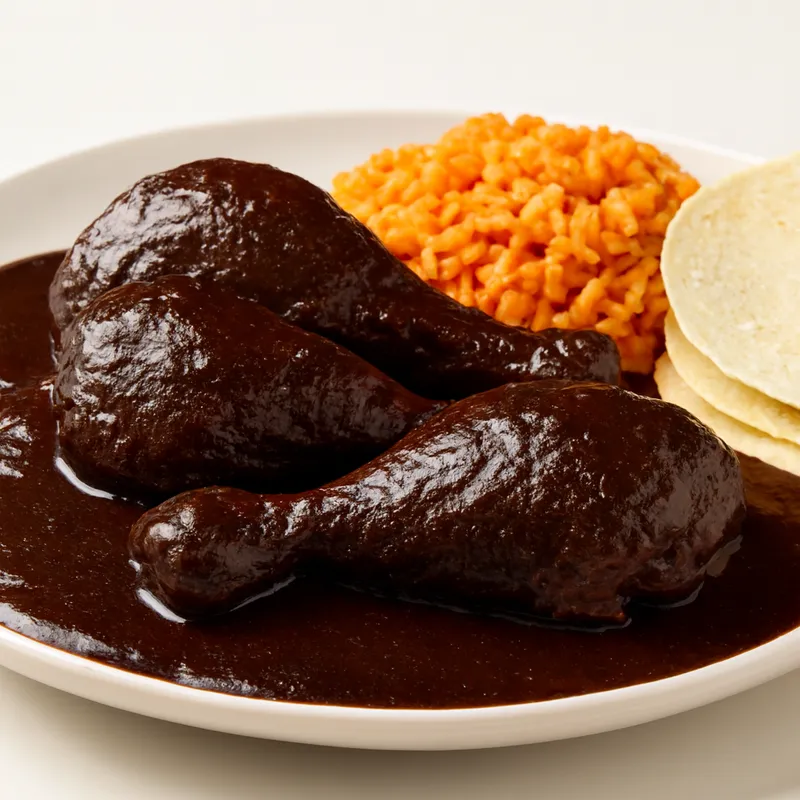
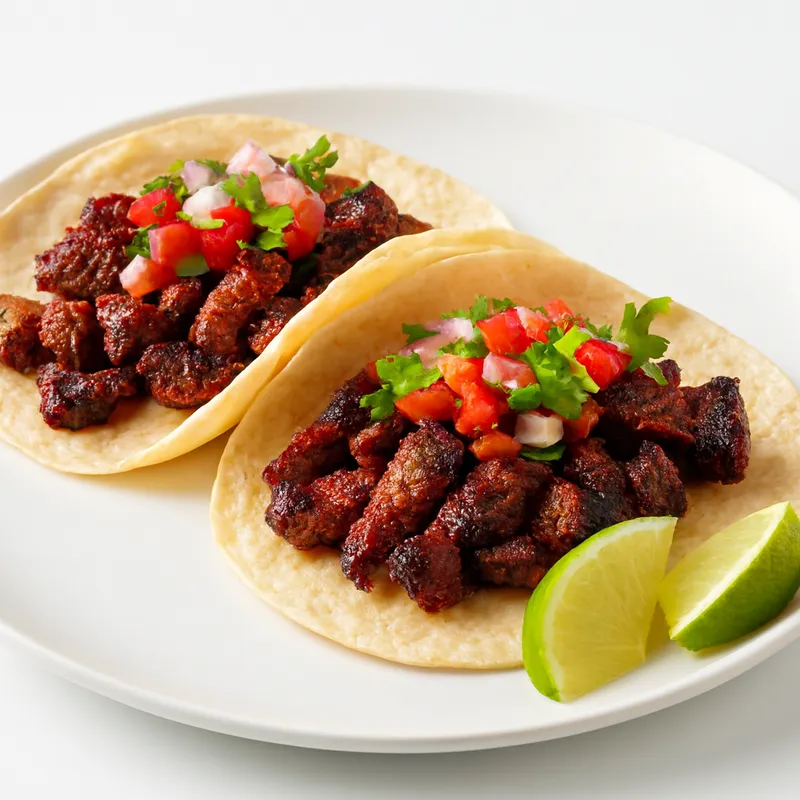
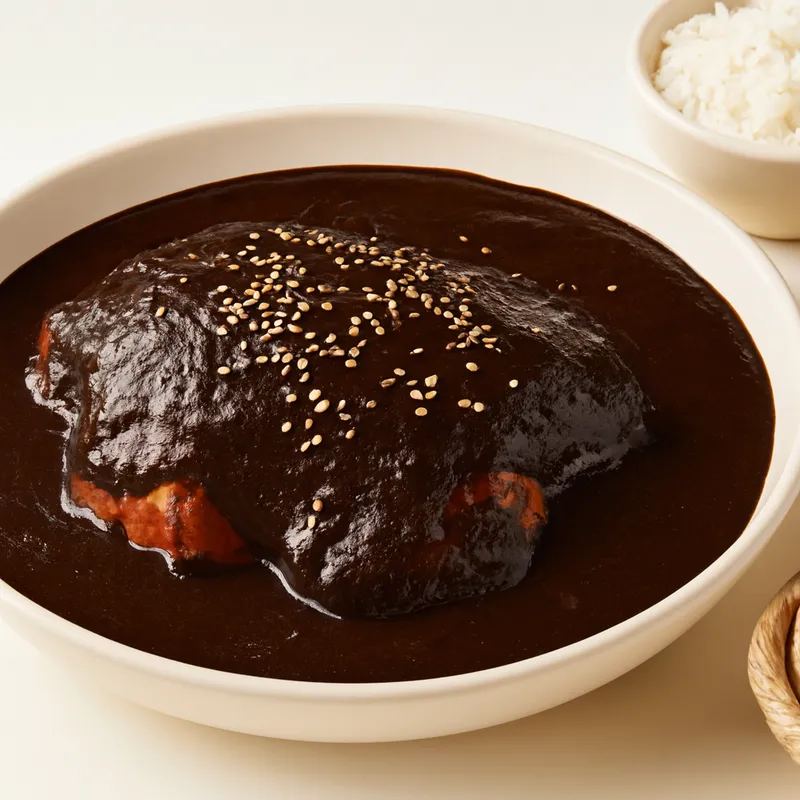
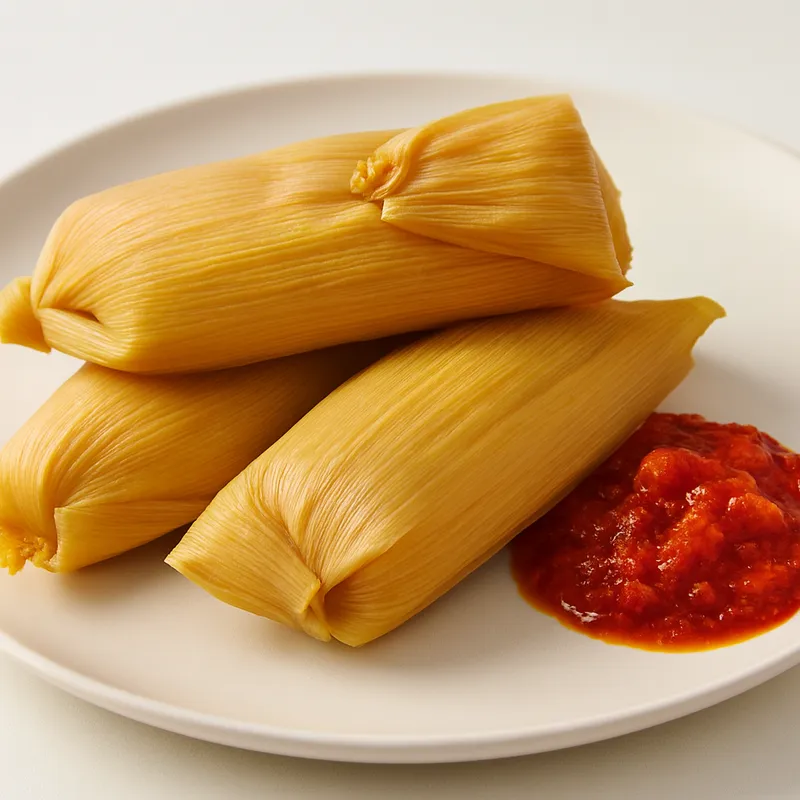
View page →Mexican cooking is built on corn and chilies and goes far beyond the taco, though the taco is its everyday heart — a soft corn tortilla folded around grilled meat, with onion, cilantro, and salsa. The foundations are the tortilla, made from corn treated with lime in a process called nixtamalization, and the chili in all its forms, fresh and dried. Slow-cooked meats define the classics: carnitas (pork confited in its own fat), barbacoa, and birria, a chili-braised stew now famous dipped and griddled as a quesataco. The country's deepest dish is mole, especially Oaxaca's mole negro, a dark sauce of dried chilies, seeds, spices, and a little chocolate cooked down over hours and served over turkey or chicken. Guacamole, tamales steamed in corn husks, and fresh salsas round out the table, with tequila and mezcal — both distilled from agave — to drink.
The Palate
What makes it taste like itself
Start Here
Pork marinated in a dizzying mix of chiles and spices, then shaved off a vertical spit.
Why start here · Al Pastor showcases Mexico's love for borrowed techniques, like the Middle Eastern shawarma, and the country's flair for bold flavors.
A legendary sauce with over 20 ingredients, simmered to a deep, rich complexity.
Why start here · Mole Poblano shows off the intricate layering of flavors that defines Mexican cuisine — sweet, savory, and spicy notes at once.
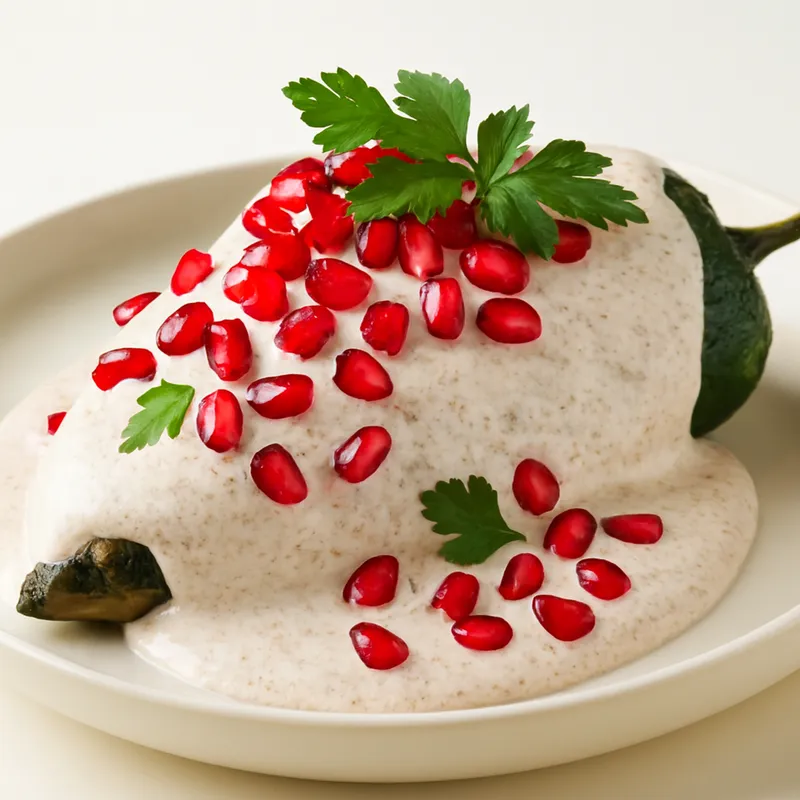
Stuffed poblano peppers topped with a creamy walnut sauce and pomegranate seeds.
Why start here · This dish captures the essence of Mexican culinary artistry, balancing the heat of peppers with the sweetness of the sauce and the tang of pomegranate.
Cook First
The easiest way in

The Pantry






See all 342 ingredients›
Proteins









Fruits





Herbs & Spices




Grains & Staples




Dairy & Fats





Sauces & Condiments



Other

Regional Kitchens
Seventeen regional kitchens, from Yucatán to the Norteño north. Tap a region to see its table.
Tacos al pastor, tlacoyos, quesadillas, tortas. Street food at scale, the modern Mexican palate.
Land of seven moles — chichilo, negro, coloradito. Tlayudas, tasajo, chapulines.
Wheat tortillas, grilled beef, machaca, asado de boda. Cattle country, less corn-centric.
Mayan inheritance — achiote, sour orange, banana leaf. Cochinita pibil, sopa de lima.
Convent-baroque — mole poblano, chiles en nogada, cemitas. Ornate, multi-step, deeply seasonal.
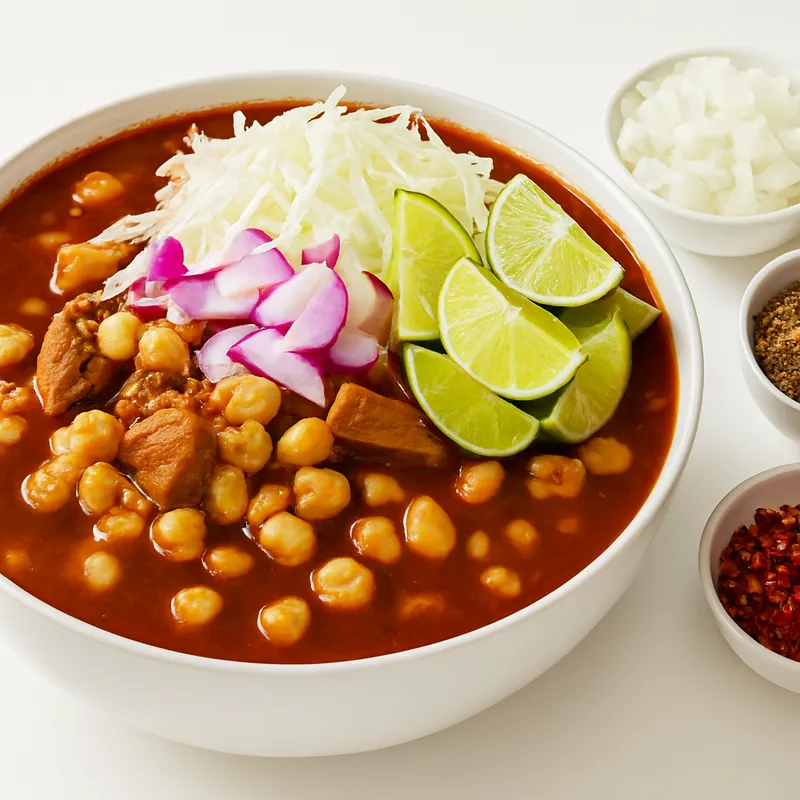
Western Mexico mariachi-and-birria — birria, pozole rojo, tortas ahogadas.
The cattle-and-goat grilling and Gulf-coast food of the northeast — Monterrey's mesquite carne asada and arrachera, Linares's pecan-caramel glorias, Tampico's stacked tortas de la barda, and the namesake carne a la tampiqueña.
Spanish-Caribbean fusion — huachinango a la veracruzana, arroz a la tumbada, picadas.
The cold-highland milpa and maguey village food ringing the capital — Morelos's sun-dried cecina de Yecapixtla, Toluca's green chorizo, Tlaxcala's near-black mole prieto, and Cuautla's rice-based armored tacos.
Maya-southern jungle highland — cochito horneado, sopa de pan, tamales juacane.
The mining-town and fairground food of the central Bajío — Guanajuato's guajillo-dipped enchiladas mineras, León's chicharrón-stuffed guacamayas, the exotic artisan ices of Dolores Hidalgo, and the cajeta-caramel country around Celaya.
The Pacific-coast cooking of Guerrero — green pozole eaten every Thursday, the Costa Chica's Afro-Mexican pork relleno, Acapulco-coast tiritas ceviche, frothy pre-Hispanic chilate, and the sweet pink mole of the silver town of Taxco.
Purépecha lake heartland — carnitas, uchepos, corundas, sopa tarasca.
Maguey country in Mexico's central highlands, where pre-Hispanic and Cornish-mining heritages sit side by side. Pit-steamed barbacoa, escamoles (ant larvae), mixiotes, and the pasty-derived paste are the local signatures, washed down with pulque from the agave fields.
Mexico's northwestern wheat-and-beef belt, a desert cattle country that eats more like the ranch than the milpa. Home of the paper-thin tortillas de agua (giant flour tortillas), mesquite-grilled carne asada, bacon-wrapped Sonoran hot dogs, and the coyota cookie.
Pacific-coast shrimp economy — aguachile, chilorio, flour-tortilla north.
Pacific peninsula Tijuana-Ensenada — fish tacos, smoked marlin, Caesar salad invention.
How They Cook
Techniques that define this cuisine
See 24 more techniques›
Mexican cuisine roasts dried chiles on a comal until fragrant, infusing Mole Poblano with a deep, smoky flavor.
Mexican cuisine often sautés onions and garlic in lard for Mole Poblano, creating a rich base before adding spices and chocolate.
Grilling in Mexico brings out smoky flavors, especially in tacos al pastor where meats are charred on a vertical spit.
Marinating meats with vibrant blends of chiles and citrus is essential, transforming simple cuts into complex bites.
Mexican guacamole achieves its creamy texture by hand-mashing ripe avocados with lime juice, creating a natural emulsification without blenders.
Braising in Mexican cuisine often involves rich, spiced broths, as seen in the slow-cooked birria.
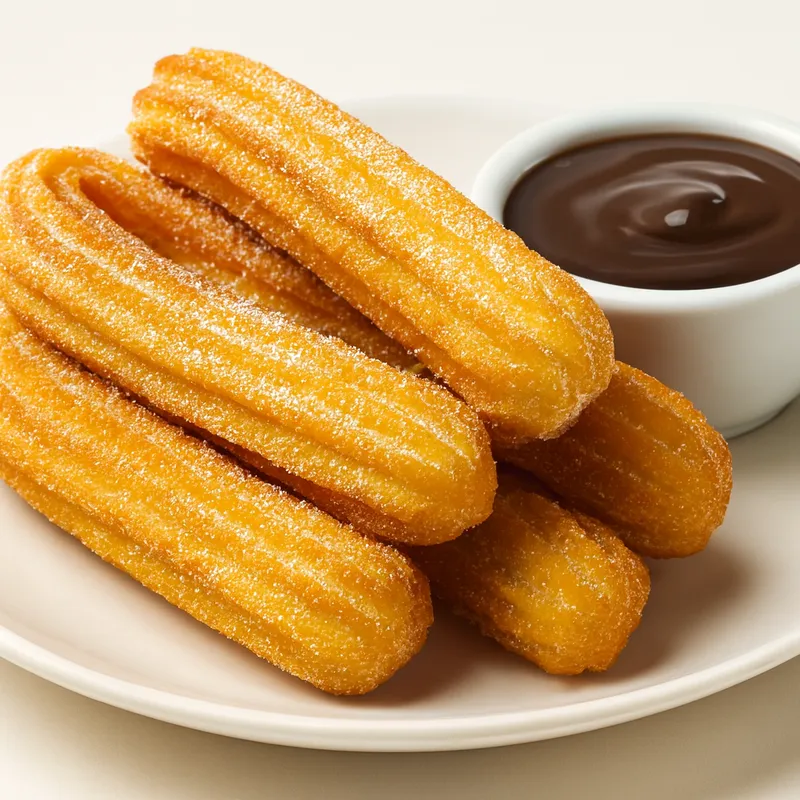
Mexican churros are deep-fried until golden and crispy, then immediately rolled in cinnamon sugar for a sweet finish.
Mexican baking often includes the use of corn masa like in tamales, rather than relying solely on wheat flour.
Kindred Kitchens
Cuisines built on the same signature ingredients
Signature Dishes (419)
Browse all 419 dishes›
Drinks
41


Starters
10


Soups
33




Mains
164
















Sides
14


Sweets
48




Snacks
57