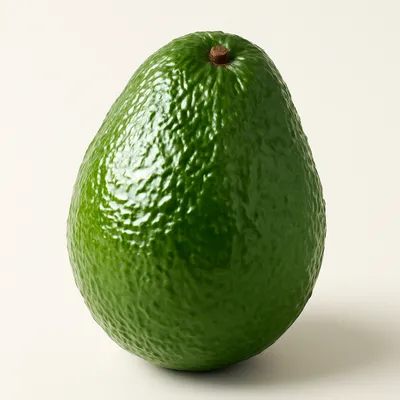
The hand-churned water-ices of Dolores Hidalgo, Guanajuato — the town better known as the cradle of Mexican Independence. These are nieves, not ice cream: water- and fruit-based, barely any dairy, frozen and scraped by hand until they read as icy and crystalline on the tongue rather than rich and creamy. Around the main Jardín, nieveros work scores of flavors from a single bucket each, and the town's fame rests on the improbable ones — garambullo (a wild magenta cactus berry), avocado, tequila, mole, cheese, beer, corn, even shrimp and chicharrón — sold alongside ordinary mango, strawberry, and lime. A scoop of the avocado nieve is the gateway: pale green, silky-cold, vegetal and just sweet enough to startle. The audacity is the point.




Dolores Hidalgo owes its name and its fame to the dawn of September 16, 1810, when the parish priest Miguel Hidalgo y Costilla rang the church bell and issued the Grito de Dolores, the call that launched Mexico's war of independence. The nieve trade is a younger, separate story: it took root in the town across the early twentieth century and is now well over a hundred years old, handed down within families generation to generation. (A local legend credits Hidalgo himself with introducing the craft, but that is folklore rather than documented fact.) The exotic-flavor reputation — the savory and the boozy nieves that draw visitors today — grew especially over the last half-century, as families competed to out-invent one another. The Jardín ringed with nievero stands, and an annual Feria Nacional de las Nieves, have made the small Bajío town Mexico's unofficial capital of artisan water-ices.
A hand-churned nieve does not melt against the tongue the way gelato does — it scrapes, faintly granular, a clean cold crystalline bite that thaws to fruit. The avocado nieve is the quiet shock: silky-cold, vegetal and grassy, with a sweetness so restrained you taste the fat of the fruit before the sugar. Garambullo runs the other way — a deep magenta wild-cactus berry, tart and brambly, staining the scoop a startling pink-purple. The tequila nieve carries a real boozy warmth threading the cold, the agave bite still legible under the sugar. Whatever the flavor, the finish is icy and bright rather than coating and heavy; you reach for a second spoon because the cold reads as refreshment, not indulgence.
What freezes the base is not a machine but chemistry. A garrafa — a tinned-metal can — is nested in a wooden bucket and packed around with crushed ice and coarse rock salt. The salt dissolves into the ice's meltwater and drops the freezing point of the brine far below 0°C (a saturated salt-ice bath reaches roughly -21°C), so the can sits in a slush colder than plain ice could ever be, cold enough to freeze the sugary fruit base inside. The nievero turns the can constantly by hand and scrapes the freshly frozen layer off the wall back into the mix. That scraping is the whole craft: it keeps any single ice crystal from growing large, so the texture stays fine and smooth-icy rather than coarse and gritty — the same logic as a churned sorbet. Because a nieve carries almost no fat and is never whipped to fold in air, it freezes denser, harder, and more crystalline than dairy ice cream; the low fat is exactly why it reads as a clean water-ice and not a creamy helado.
Variations
Fruit nieves are the everyday backbone — mango, strawberry, lime, guava, tamarind, mamey — and the wild card is whatever the nievero dares: garambullo and other cactus fruits (tuna, pitaya), avocado, corn (elote), cheese (queso), tequila, mezcal, red wine, beer (cerveza), mole, chicharrón, and even shrimp or seafood-cocktail nieves. The fully water-based ones sit at the icy, crystalline end; folding in a little milk or cream pushes a flavor toward the softer helado side of the family. Many stands also pour nieve into a glass and top it with soda for a raspado-style float, or build it into a beso (a two-flavor scoop).
On the Palate
Where Nieves de Dolores Hidalgo sits in the Mexican flavor cloud
There is no machine — the salt-and-ice bath around the can drops the brine to about -21°C, and constant turning plus scraping the frozen layer back in is what keeps the ice crystals tiny, so the nieve turns out fine and smooth-icy instead of coarse and gritty.
Ingredients
Serves 6
How it's made
8 steps · 35 min active + 40 min waiting
- 112 min
Make a flavor base: blend ripe fruit (or avocado flesh, or steeped flavor) with sugar, a little water, and a squeeze of lime; for a tequila or savory nieve, fold the spirit or flavoring into the cold sugar syrup. Keep the base well chilled.
- 23 min
Set a clean tinned-metal can (garrafa) inside a wooden bucket and pour the chilled base into the can, filling it only partway to leave room for expansion.
- 35 min
Pack the gap around the can with plenty of crushed ice layered with generous handfuls of coarse rock salt, building up to the level of the base inside.
Watch outPack salt generously through the ice right up to the base line — this is what makes the bath cold enough.
- 44 min
Cover and let the salt-ice bath stand a few minutes so the brine drops below freezing and the inner wall begins to chill.
- 515 min
Turn the can steadily by hand in the bucket; as a frozen layer forms on the inside wall, scrape it off with a spatula or wooden paddle and stir it back into the still-liquid center.
Watch outAs a frozen skin forms on the inner wall, scrape it straight back into the still-liquid center.
- 618 min
Keep turning and scraping continuously, topping up ice and salt as it melts, until the whole base sets into a fine, smooth-icy nieve (about an hour of work).
Watch outKeep turning and scraping without stopping until the whole base sets fine and smooth-icy.
- 712 min
Once thick and scoopable, pack it down, cover, and let it harden in the salt-ice for a short rest before serving.
- 83 min
Serve in small scoops in a cup or cone, working two flavors side by side if you like.
Archive tool suggestions — not reviewed
These legacy suggestions have not been evidence-reviewed and are not presented as required tools.