
Soft, chewy little jelly squares spiked with liqueur and rolled in sugar — borrachitos, "little drunks," named for the spirit cooked into them. A fruit-flavored sugar jelly is set firm, cut into cubes, and tossed in granulated or powdered sugar; the alcohol — often rompope, brandy, sherry or a fruit liqueur — gives them a warm, boozy edge under the sweetness. They come in soft pastel colors, each color a flavor, and are a classic Mexican dulce típico, most famously associated with Toluca in the State of México. Sold in mixed boxes from candy shops, they are an adults' sweet, eaten a cube at a time.



Borrachitos belong to Mexico's tradition of dulces típicos — the regional candies sold from sweet shops and markets — and are especially associated with Toluca, the State of México capital long known for its candy trade. They sit in the broad family of cooked sugar-and-starch jellies, the same kind of fruit-paste and gumdrop confection made across central Mexico, distinguished by the shot of liqueur worked into them that earns the name "little drunks." As a folk confection they have no single inventor or fixed origin date. The traditional spirit is often rompope, Mexico's convent-born eggnog-like liqueur, though brandy, sherry, fruit liqueurs and others are all used; the flavor and the booze together are the whole point of the candy.
A borrachito gives a soft, tender chew — it yields easily, somewhere between a firm jelly and a gumdrop, never hard, with a smooth, slightly springy bite that gives way and dissolves. The outside is coated in fine sugar that dusts the lips first; inside it is sweet and fruity, and then the liqueur comes through, a warm, faintly heady note of rompope or brandy that lingers after the sweetness. Each color reads as its own fruit. It is small, soft and rich, with just enough alcohol warmth to mark it as a grown-up candy rather than a children's gummy.
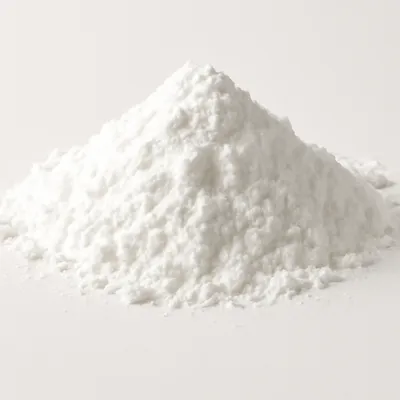
The borrachito is a cooked sugar jelly set with starch or gelatin, and the texture turns on the gelling. Sugar is cooked with water and fruit flavor into a syrup, and a gelling agent — traditionally cornstarch, sometimes gelatin — is cooked or dissolved into it; as the mixture cools, the starch granules swell and set, or the gelatin's protein forms a network, trapping the syrup into a firm but tender, sliceable jelly, the same logic behind Turkish delight (starch-set) or a soft gumdrop (gelatin- or pectin-set). The liqueur is stirred in off or near the end of the heat so its flavor — and some of its warmth — survives rather than boiling entirely away; adding it late keeps the boozy note. The set jelly is left to firm up, often overnight, then cut into cubes. A final roll in granulated or powdered sugar coats the sticky surface so the pieces don't cling together and gives the candy its frosted look and first hit of sweetness. Acid in the fruit and careful sugar concentration keep the jelly tender rather than rubbery or grainy.
Variations
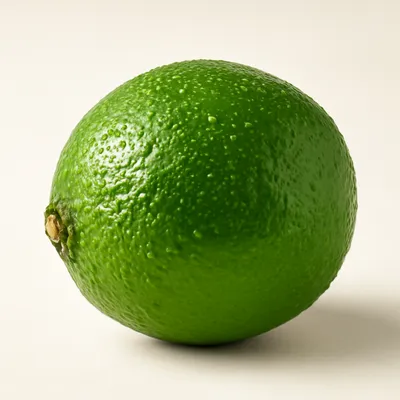
The liqueur and the fruit are the main variations: rompope is the most traditional spirit, but brandy, sherry, rum, tequila, mezcal and fruit liqueurs all appear, paired with flavors like strawberry, pineapple, lime, orange, walnut and coffee, each given its own pastel color. The set varies between the traditional cornstarch jelly and a softer gelatin one. Some are dusted in powdered sugar, others rolled in coarse granulated sugar or coconut. Non-alcoholic versions are made for children, flavored only with fruit. Borrachitos share a family with Mexican fruit-paste jellies and gumdrops, set apart by the spirit that names them.
On the Palate
Where Borrachitos sits in the Mexican flavor cloud
Ingredients
Serves 12How it's made
8 steps · 35 min active + 55 min waiting
- 15 min
Stir cornstarch into a little cold water (or bloom gelatin) and set aside; if using fruit, purée or juice it.
- 28 min
Cook sugar with water and the fruit flavoring into a syrup, stirring to dissolve.
- 312 min
Whisk the starch slurry into the simmering syrup (or stir in bloomed gelatin off the heat) and cook, stirring constantly, until the mixture thickens to a heavy, glossy jelly.
Watch outCook stirring constantly until it thickens to a heavy, glossy jelly — the starch has to swell fully and set, or the cubes won't hold a clean cut.
- 42 min
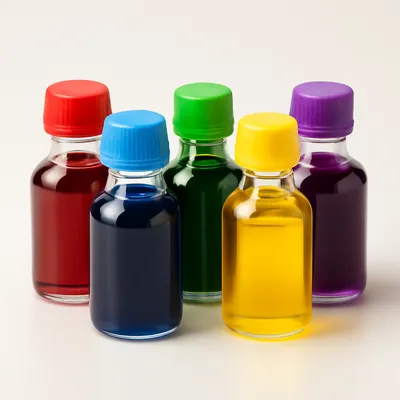
Stir in a little color for each batch if making several flavors.
- 52 min
Take the pan off the heat and stir in the liqueur, so its flavor and warmth are kept.
Watch outStir the liqueur in off the heat — added hot, its flavor and boozy warmth just cook away.
- 63 min
Pour the hot jelly into a lined or lightly oiled shallow tray and smooth the top.
- 740 min
Let it cool and set firm, ideally overnight, until it can be cut cleanly.
Watch outLet it set firm, ideally overnight, before cutting — rush it and the soft jelly smears instead of cubing cleanly.
- 88 min
Cut the set jelly into small cubes and roll each one in granulated or powdered sugar to coat.
Archive tool suggestions — not reviewed
These legacy suggestions have not been evidence-reviewed and are not presented as required tools.


