Agua de tamarindo is one of Mexico's classic aguas frescas, a sweet-tart brown drink made from the pulp of tamarind pods steeped in water and sweetened with sugar or piloncillo. Deep amber and cloudy, it tastes intensely sour-sweet, almost like a fruit version of sweet-and-sour, with a faint date-like, caramel depth. Sold from glass vitroleros at taquerías and street stalls beside hibiscus and horchata, it is served cold over ice and is one of the most popular flavors in the lineup, a natural foil to rich, chili-heavy food.
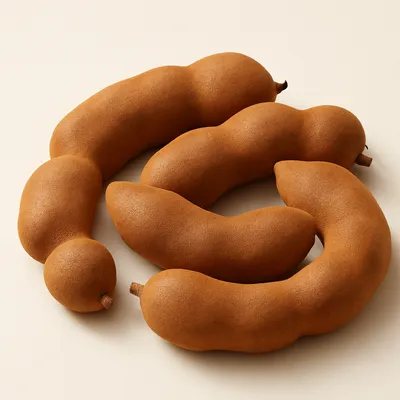



The tamarind tree (Tamarindus indica), a legume native to tropical Africa, was carried to Mexico by the Spanish in the sixteenth century, traveling the same colonial trade routes — including the Manila galleon — that brought hibiscus and other Old World crops. It took so well to Mexico's climate that many assume it native, and its sour pulp entered both the kitchen and the agua-fresca cart. Aguas frescas themselves are older still, descending from the pre-Hispanic practice of mixing crushed fruits, seeds and flowers with water; the Mexica are recorded chilling such drinks with mountain ice. Tamarindo joined hibiscus (jamaica) and rice-based horchata as one of the three iconic 'aguas' of the modern Mexican street.
The first taste is a bracing sourness that makes the cheeks tighten, quickly caught by the sugar so it lands sweet-tart rather than merely sour. Behind the acid is a round, dark, almost prune-and-caramel depth that sets tamarind apart from a simple citrus drink. Cold and a little thick from the pulp, it is clean and thirst-quenching, the sourness cutting straight through fat and chili. A pinch of salt or a chili-lime rim, sometimes added, sharpens it further. It finishes tangy and faintly sticky, leaving you wanting the next cold sip.
Tamarind's signature lies in its acid profile: the pulp is exceptionally high in tartaric acid — the same acid found in grapes and unripe fruit — which gives a sharper, rounder sourness than the citric acid of limes, plus malic acid and natural sugars. Ripeness shifts the balance: a riper pod carries more sugar to soften the tartaric bite. Making the drink is simple extraction — soaking or briefly boiling the pods loosens the sticky pulp from its seeds and fibrous strings, which is then mashed, strained and diluted; the more pulp, the deeper and more tart the agua. Sugar or piloncillo is added to balance the acid, and chilling and ice make it refreshing. No cooking transforms it beyond softening the pulp for extraction.
Variations
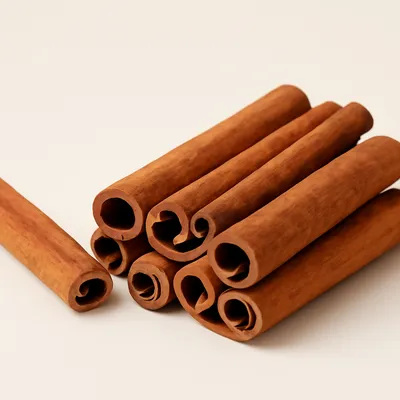
Concentration ranges from light and pale to thick and almost syrupy; some make it from whole pods, others from blocks of seedless tamarind paste for speed. A pinch of salt, a stick of cinnamon, or a chili-lime rim are common Mexican touches, and chamoy or chili powder turns it into a spicy-sour treat. The same pulp base flavors paletas (popsicles), aguas frescas concentrates, and the chili-tamarind candies sold everywhere; carbonated and spiked tamarindo versions exist as well.
On the Palate
Where Agua de Tamarindo sits in the Mexican flavor cloud
Ingredients
Serves 6How it's made
5 steps · 15 min active + 25 min waiting
- 15 min
Rinse the tamarind pods and crack off the brittle outer shells.
- 220 min
Soak or briefly simmer the pulp in hot water until soft, about twenty minutes.
Watch outSoak or simmer the pods only until the pulp goes soft — this loosens the sticky pulp from the seeds and strings so it mashes and strains cleanly; the more pulp you extract, the deeper and tarter the drink.
- 38 min
Mash the softened pulp by hand and strain out the seeds and fibers.
- 45 min
Stir the strained pulp into cold water and sweeten with sugar or piloncillo to taste.
- 52 min
Chill well, then serve over plenty of ice.
Archive tool suggestions — not reviewed
These legacy suggestions have not been evidence-reviewed and are not presented as required tools.