
Soft, chewy caramels of burnt goat's milk studded with pecans, rolled into little logs and twisted in red cellophane. The milk is cooked down in a copper pot until the sugars darken to a deep amber, then enriched with chopped pecans from the orchards around Linares, in the south of Nuevo León. Faintly bitter from the caramelized milk and rich with nut, glorias are to the northeast what cajeta is to the Bajío — the regional sweet that travelers are expected to bring home, sold in candy shops and airports across northern Mexico.
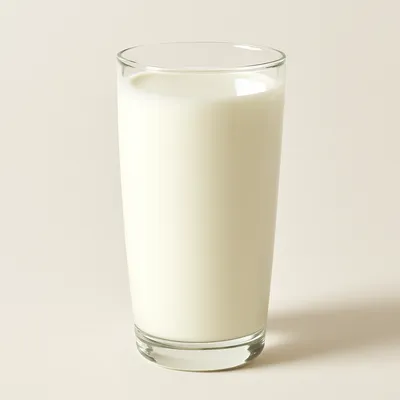



Glorias were created in the 1930s by Natalia Medina Núñez, a cook in Linares, Nuevo León, who ran the candy shop Marquetería La Guadalupana. She already sold marquetas — large slabs of milk caramel and pecan — and wanted a smaller, single-serving sweet, so she rolled the caramel into little nut-studded logs and wrapped them in red cellophane. The name is usually traced to customers who said the new candy tasted "a gloria" — heavenly. The original glorias were made with goat's milk, from the herds Spanish settlers had brought to the old Nuevo Reino de León (today's Nuevo León and part of Coahuila); as goat herds dwindled, makers shifted toward cow's milk, and many now use a blend of both. Linares now holds an annual fair in the candy's honor.
A gloria gives slightly under the teeth, then turns chewy — soft enough to dent with a thumb but firm enough to hold its twisted shape. The flavor is deep and toffee-like, with the particular tang and faint bitterness that burnt goat's milk gives that cow's milk does not, cut by the buttery snap of pecan pieces throughout. It is very sweet, meant to be eaten one small log at a time with coffee, the red cellophane unwound and the caramel pulling a little as you bite.
The whole candy turns on caramelizing milk sugars. As the milk reduces over heat, its lactose and the added sugar brown through the Maillard reaction and caramelization, building the amber color and the toffee-bitter edge — and a pinch of baking soda is added, which both helps the milk darken and keeps the finished caramel soft rather than brittle. Goat's milk caramelizes to a sharper, tangier flavor than cow's because of its higher proportion of short-chain fatty acids. The mixture is cooked in a copper pot and stirred constantly with a wooden paddle so it heats evenly and does not scorch on the bottom; it is pulled off the heat at the soft, pliable stage — short of hard-crack — then folded with pecans and rolled while still warm so the logs set as they cool.
Variations
The milk varies most: traditionalists hold to goat's milk for its tang, while cheaper and milder versions use cow's milk or a blend. Pecan is the classic nut, though some makers turn out plain caramel logs or use other nuts. Glorias share a family with the marqueta — the original large pecan-caramel slab — and with cajeta, the pourable goat's-milk caramel of central Mexico made by the same burnt-milk method. Modern shops also dip glorias in chocolate or sell them in soft and firm grades.
On the Palate
Where Glorias de Linares sits in the Mexican flavor cloud
Cook the milk and sugar only to the soft-ball stage, stirring constantly so the bottom never scorches — pulled at the soft, pliable point (short of hard-crack) the logs stay chewy, but a few degrees too far and they set brittle.
Ingredients
Serves 12How it's made
7 steps · 55 min active + 20 min waiting
- 18 min
Toast the pecans lightly and chop them coarse; set aside.
- 25 min
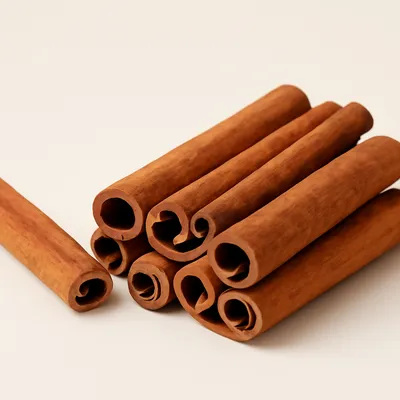
Pour goat's milk (or a goat-and-cow blend) into a heavy copper pot with the sugar and a cinnamon stick, and stir to dissolve over medium heat.
- 33 min
Dissolve a pinch of baking soda in a spoon of milk and stir it in; the mixture will foam and begin to darken.
Watch outOnce the baking soda goes in the mix foams up and starts to darken — keep stirring so it doesn't boil over.
- 430 min
Cook, stirring constantly with a wooden paddle so the bottom does not scorch, until the caramel reduces, deepens to amber, and reaches the soft-ball stage.
Watch outIt reaches soft-ball when a drop in cold water forms a soft, pliable ball and the caramel is deep amber; don't push past this.
- 53 min
Pull off the heat, remove the cinnamon, and fold in the chopped pecans.
- 610 min
Let the caramel cool until just cool enough to handle, then roll into small logs while still warm and pliable.
Watch outRoll the logs while still warm enough to shape but cool enough to handle; too hot and they slump, too cool and they crack.
- 78 min
Twist each log in a square of red cellophane and let them set firm as they cool.
Archive tool suggestions — not reviewed
These legacy suggestions have not been evidence-reviewed and are not presented as required tools.


