
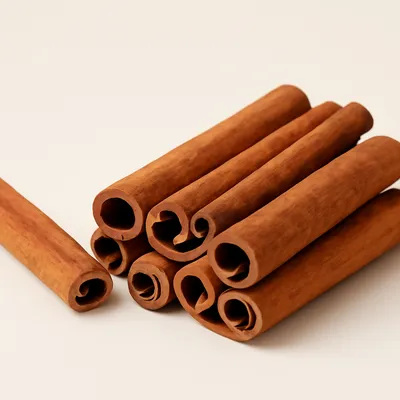
Hot water with tapa de dulce (a brick of unrefined cane sugar) dissolved into a deep amber syrup, served with a splash of milk and a stick of cinnamon — the Costa Rican rural morning beverage and afternoon snack alongside biscuits or bread. Sweet but with the molasses-deep complexity of unrefined sugar; sometimes laced with coffee in mornings.



Agua dulce ('sweet water') predates coffee culture in Costa Rica — when sugar production became central to the Costa Rican rural economy in the 19th century, every household had blocks of tapa de dulce (panela, raspadura — unrefined evaporated sugarcane juice). The hot drink was field-worker's morning fuel and afternoon revival. Modern Costa Ricans drink coffee more, but agua dulce remains the heritage drink, especially in rural Central Valley communities and during cold mountain mornings.
Sip is deep-amber sweet, immediately warming — the unrefined sugar's molasses notes (caramel, deep brown sugar, faint smokiness) are richer than refined-sugar-and-water. Cinnamon perfumes; the optional milk turns the drink café-au-lait colored and mellower. Dipping a champurrada or empanada into the agua dulce is the way most Costa Ricans drink it. Especially in cold mountain mornings — the drink and the small sweet are one experience.
Unrefined sugar (tapa de dulce, panela) retains molasses, minerals, and trace compounds that refined sugar has removed — the complex flavor comes from these. Slow simmer rather than quick dissolve allows the sugar's volatile aromatic compounds to bloom. Cinnamon and clove are fat-soluble aromatics that need heat to release; cold sugar water wouldn't develop the same complexity.
Variations
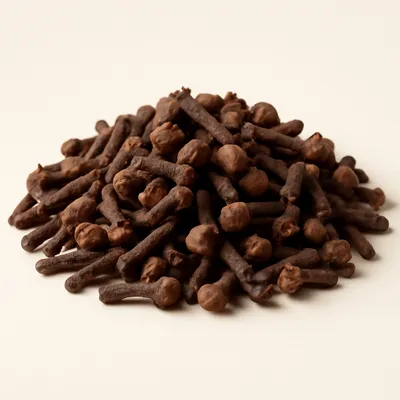
Agua dulce con leche replaces some water with milk for breakfast warmth. Agua dulce con café adds coffee shot to combine traditions. Cold lime version (refresco de tapa) uses cold water + lime juice for hot-day refreshment. Holiday version (agua dulce navideña) adds cloves, anise, and lemon peel for festive aroma.
On the Palate
Where Agua Dulce sits in the Costa Rican flavor cloud
Ingredients
Serves 4How it's made
8 steps · 10 min active + 5 min waiting
- 12 min
Break or grate 150-200 g tapa de dulce (also called panela, piloncillo, or rapadura) into small pieces for faster melting. If unavailable, substitute 150 g dark brown sugar + 1 tbsp molasses.
- 24 min
Bring 1 L water to a gentle simmer in a saucepan. Add the broken tapa de dulce.
- 31 min
Add 1 cinnamon stick and (optional) 2 cloves or 1 strip of orange zest for additional aromatic depth.
- 47 min
Simmer 5-8 min, stirring occasionally, until sugar is fully dissolved and the liquid is a deep amber color.
Watch outLet it simmer, don't just dissolve and pull — the slow heat is what coaxes the molasses and spice aroma out; look for a deep amber color.
- 51 min
If desired, add 200 ml warm whole milk for the milky variant (agua dulce con leche). Stir to incorporate.
- 61 min
Strain into mugs to remove cinnamon stick and any debris.
- 71 min
Optional: add a shot of strong black coffee per cup for the morning version (agua dulce con café). Or add a splash of cream for richer dessert variant.
- 82 min
Serve very hot, with biscuits (champurradas), bread, or empanadas alongside for dipping. Cold leftover agua dulce can be reheated or served over ice for a different experience.


