
Large flat tamales — corn-and-pork-broth masa filled with pork chunks in a tomato-pepper sauce, a chickpea or two, a slice of bell pepper, a green olive, a slice of carrot — wrapped in banana leaves into 15×15 cm packets, steamed for hours. The Costa Rican Christmas-and-Easter tradition; every household makes 30-50 over a two-day cooking marathon called the 'tamaleada'.
Costa Rican tamales descend from the Mesoamerican tamal tradition but evolved into a distinctly Tico form: flatter than Mexican tamales, less spiced than Guatemalan, with the signature chickpea-and-olive garnish inside. The tamaleada — multi-day family-and-neighbors cooking session — happens in mid-December across the country; tamales freeze and gift well, so households produce dozens. Christmas Eve dinner traditionally serves tamales with hot chocolate or eggnog (rompope); the dish is also Easter Saturday's lunch.
Unwrap the banana leaf — masa is pale orange-tan with the bright filling visible like ornaments: a chunk of meat, two chickpea balls, the green olive, the red pepper strip, the carrot disk. Masa is dense but tender, pork-broth flavored. Each bite hits multiple notes: meat savory + chickpea earthy + olive briny + pepper sweet + carrot fresh. With hot chocolate alongside, it's Costa Rican Christmas Eve in one bite.
Mashed potato in the masa is the Costa Rican distinction — it softens the texture and adds a creaminess that pure corn masa lacks. The recado mixed into the masa colors and flavors it uniformly, distinguishing Tico tamales from Mexican/Guatemalan styles where the masa stays plain. Pair-tying tamales (piñas) is structural: paired packets are easier to steam evenly and to handle (one piña = one serving).
Variations
Cartago Christmas-special variant adds raisins to the masa for sweetness. Vegetarian tamales (tamal mudo, 'silent tamal') skip the meat and chickpea, using cheese and bell pepper. Some coastal Limón variants use coconut milk in the masa for Caribbean flavor. Modern boutique tamales in Tico restaurants experiment with new fillings, but Christmas Eve sticks to tradition.
On the Palate
Where Tamal Costarricense sits in the Costa Rican flavor cloud
Ingredients
Serves 14













How it's made
10 steps · 1 hour 40 min active + 3 hours 20 min waiting
- 195 min
Pork filling: simmer 1.5 kg pork shoulder in salted water with 1 onion + 4 garlic + 2 bay leaves + 1 tsp peppercorns for 90 min until tender. Cool. Pull pork into 3 cm chunks. Reserve 1.5 L broth.
- 218 min
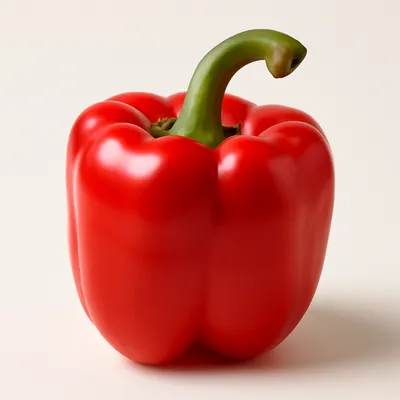
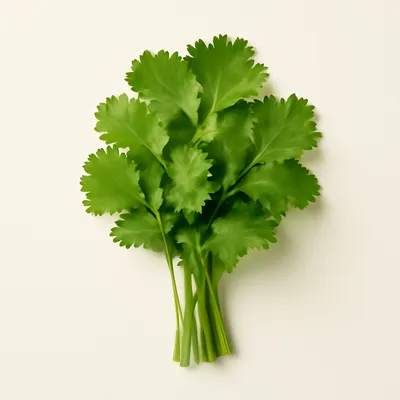
Recado sauce: heat 3 tbsp lard. Sauté 1 large chopped onion + 1 chopped bell pepper + 4 chopped garlic + ½ cup chopped cilantro stems 8 min. Add 4 chopped tomatoes + 1 tbsp paprika + 1 tsp cumin + 2 tbsp Lizano + 1 tsp salt. Cook 8 min until thickened.
- 35 min
Mix half the recado with the pulled pork chunks for the filling.
- 422 min
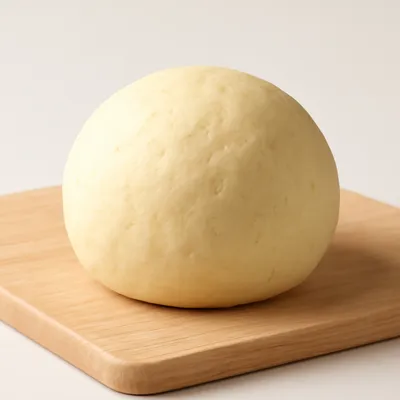
Masa: combine 1 kg instant corn masa harina + 500 g warm cooked-and-mashed potato + 200 g warm lard + 1 tbsp salt + 1 tsp baking powder + 1.5 L warm pork broth. Mix thoroughly to a soft spreadable dough. Add more broth if dry.
Watch outMix the masa to a soft, spreadable dough — if it feels stiff or dry, work in more warm broth or the tamales cook up dense.
- 54 min
Mix remaining recado sauce into the masa for color and flavor — gives the masa its characteristic light orange-tan color.
- 618 min
Prepare 14 banana leaves: pass over flame to soften or soak in hot water. Cut into 30×30 cm rectangles.
Watch outPass the banana leaves over the flame until they turn glossy and pliable — brittle leaves crack and split when you fold the packet.
- 730 min
Assembly per tamal: leaf flat, spread 6 tbsp masa to a 14×14 cm square. Top with: 2 pork chunks + 2 chickpeas (canned, drained) + 1 olive + 1 thin red bell pepper strip + 1 thin carrot slice + 1 small spoon extra recado.
- 818 min
Fold leaf into a tight 14×14 cm packet. Tie pairs of tamales (mature face-to-face) with cotton string into 'piñas' — easier to handle and store.
- 9165 min
Stack pairs upright in a large steamer. Add water below. Steam 2.5-3 hours over rapidly boiling water. Add water as needed.
Watch outKeep the water below at a rolling boil for the full 2.5 to 3 hours, topping up as it drops — let it run dry and the masa steams unevenly and stays raw.
- 104 min
Test one: masa firms up and pulls cleanly from leaf. Tamales hold their shape when cool. Serve hot, untied at the table, with hot chocolate or coffee on Christmas Eve.
Watch outIt's done when the masa firms up and peels cleanly off the leaf — if it still smears on the leaf, steam longer.


