
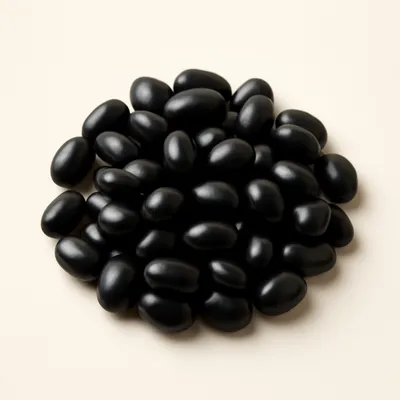
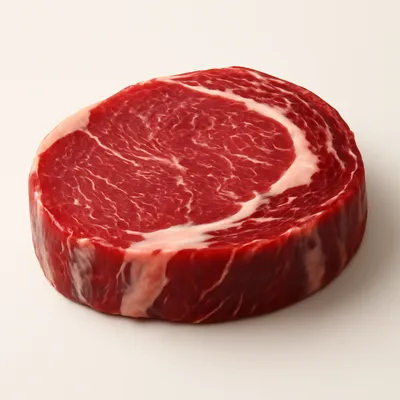
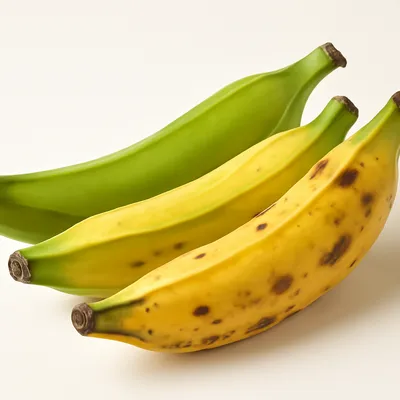
The Costa Rican daily lunch plate — a tidy assembly of: white rice, black or red beans, a piece of protein (carne en salsa, fried fish, chicken, or pork chop), fried ripe plantain (maduros), a shredded cabbage-and-tomato salad, and a tortilla. The name 'casado' (married) refers to the marriage of the components on one plate. Served at every soda (small lunch counter) across the country.
Casado developed as the working-man's lunch in 20th-century Costa Rica — sodas (small family restaurants) served it as the daily lunch special that gave the most calories for the lowest price. The plate became firmly established in the 1960s, when the number of workers in San José's businesses and institutions grew sharply. Several theories explain the name 'casado' (married), all dating from the second half of the 20th century and none accepted as verified: one holds that workers kept asking the cooks for more food, like a 'married man'; another that the sodas served a large, complete plate to make workers feel at home, as a married man would eat — hence 'married.' Each soda has its own daily protein rotation; some have themed casados (casado típico, casado del día, casado con pescado). The plate is the de-facto Costa Rican lunchtime food anywhere in the country.
Forkful varies by your choice on the plate: bite of soft warm rice with beans, sweet caramel-crusted plantain, savory beef in tomato sauce, fresh-crunchy cabbage salad with lime — each component complete in itself but the whole creates the Costa Rican lunch identity. The plate is balanced (starch + protein + vegetable + fruit) and forgiving (protein swaps in or out daily without changing the format). Filling, familiar, and quintessentially Tico.
Casado works because each component is cooked to its own ideal, then assembled — rice fluffy and just-salty, beans creamy with their broth, protein well-seasoned and saucy, plantain caramelized at edges, salad crunchy with acid. The plate's nutritional balance is intentional: complex carbs + protein + fat + fiber + simple sugars + acid. The Lizano on the table is the unifying flavor everyone adds to their personal taste.
Variations
Casado con pescado uses fried tilapia or sea bass (whole or filet) instead of beef. Casado vegetariano replaces protein with picadillo de chayote (sautéed chayote and corn). Beach-town casados often include a small portion of ceviche. Some Cartago-area sodas add picadillo (vegetable hash) as a fourth side beyond the standard four.
On the Palate
Where Casado sits in the Costa Rican flavor cloud
Ingredients
Serves 4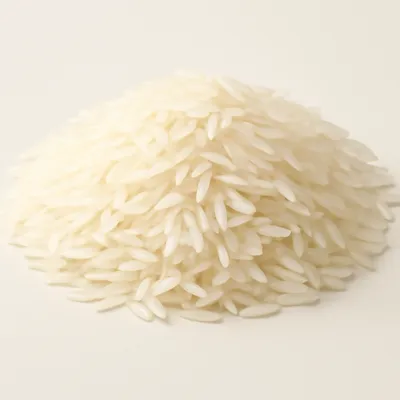






How it's made
8 steps · 1 hour active + 30 min waiting
- 125 min
Rice: rinse 200 g long-grain white rice. Heat 1 tbsp oil in a pot. Sauté 1 minced garlic + 2 tbsp chopped onion 1 min. Add rice; stir 1 min. Add 400 ml water + ½ tsp salt. Bring to boil; cover, simmer 18 min. Rest 5 min off heat.
Watch outAfter 18 minutes covered, kill the heat and rest 5 minutes without lifting the lid — the steam finishes the grains and keeps them separate.
- 213 min
Beans: heat 1 tbsp oil. Sauté ¼ chopped onion + 1 garlic 3 min. Add 2 cups cooked black beans + ¾ cup of their liquid + 1 tsp Lizano. Simmer 8 min until thickened. Salt to taste.
Watch outSimmer the beans until the liquid thickens and coats a spoon — you want creamy, not soupy.
- 36 min
Carne en salsa (or substitute your protein): cut 400 g beef chuck or skirt into thin strips. In a wide pan, heat 2 tbsp oil. Brown beef strips 4 min, remove.
- 414 min
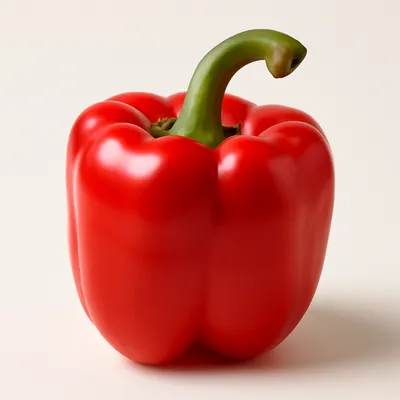
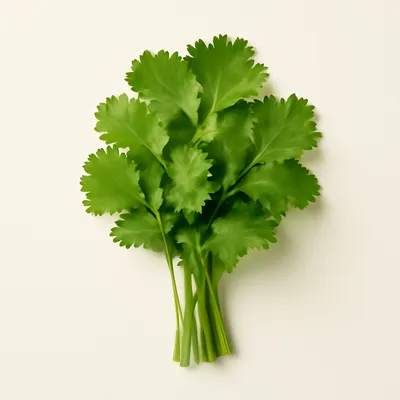
In same pan, sauté 1 chopped onion + ½ chopped bell pepper + 2 garlic + ¼ cup chopped cilantro stems 5 min. Add 1 chopped tomato + 1 tbsp Lizano + 1 tsp salt + ½ tsp cumin. Cook 4 min. Return beef + 100 ml water. Simmer 8 min until sauce coats meat.
Watch outThe sauce is ready when it clings to the meat instead of pooling — reduce until it just coats.
- 58 min
Maduros: peel 2 very ripe plantains (yellow with black spots). Slice diagonally 1.5 cm thick. Heat 3 tbsp oil in a skillet over medium. Fry slices 3 min per side until deep gold and caramelized at the edges. Drain on paper.
Watch outFlip the plantain only when the first side is deep gold and the edges have caramelized — moving it too early tears the soft flesh.
- 612 min
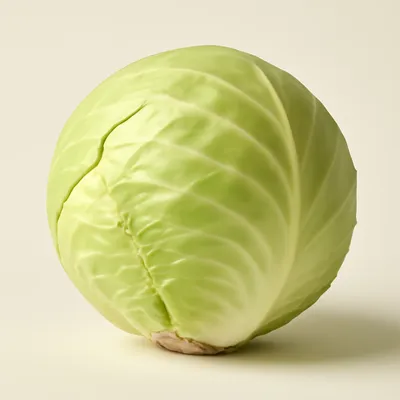
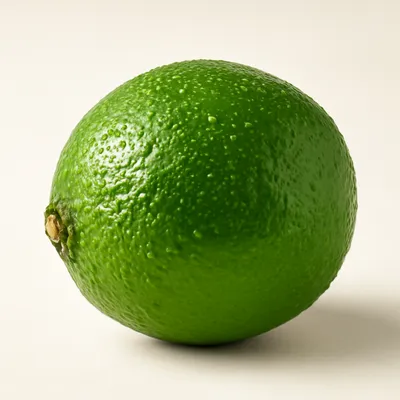
Cabbage-tomato salad (curtido-style ensalada): shred ¼ small cabbage finely. Toss with 1 sliced tomato, 1 thinly sliced red onion, juice of 1 lime, ¼ tsp salt, 1 tbsp chopped cilantro. Let sit 10 min.
- 78 min
Plate assembly (per portion): a mound of rice on one side, a small portion of beans alongside, a piece of carne en salsa, 3 slices of maduros, a generous spoon of cabbage-tomato salad, and 2 warm corn tortillas at the edge.
- 84 min
Optional: a slice of avocado, a wedge of lime, and a shake bottle of Lizano on the table for each diner to add to taste.


