
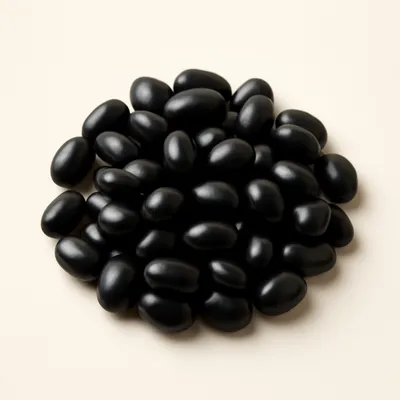
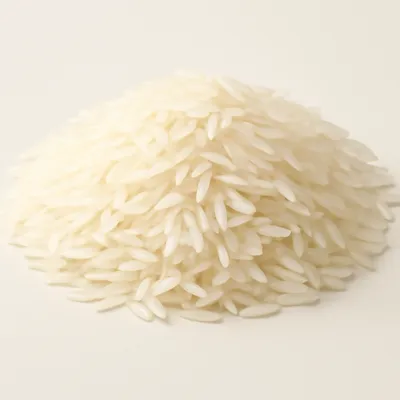
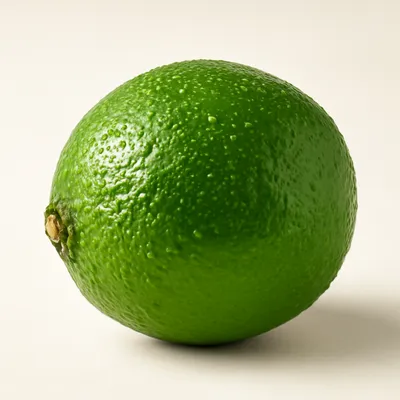
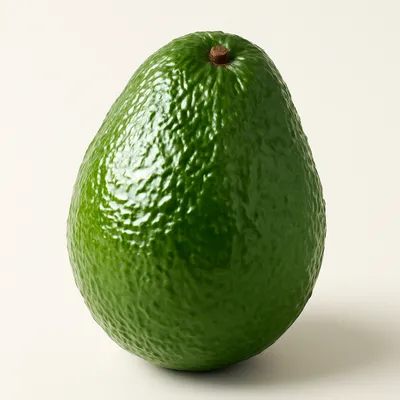
A modern Costa Rican bar-snack layered in a glass or shallow bowl: bottom layer of seasoned black beans, then white rice, then crispy fried pork chunks (chicharrón), topped with pico de gallo, avocado slices, and a generous splash of fresh lime juice. Served with tortilla chips for scooping. The Costa Rican guy-bar (cantina) snack born in the 1980s.
Chifrijo was invented by Miguel Ángel Cordero Araya at Cordero's bar in Tibás, on the northern edge of San José, in October 1979 — the name is generally read as a blend of 'chicharrón' (fried pork) and 'frijoles' (beans). The dish caught on across Costa Rican bars as the ideal beer-pairing food: salty, fatty, fresh-bright with lime, and substantial enough to slow down beer absorption. Originally a bar snack, chifrijo migrated to family kitchens and restaurant menus by the 2000s. Cordero registered 'Chifrijo Cordero's' as a trademark in 2002 and in 2014 his family sued 49 businesses (claiming ~$15M) for using the name, but the court dismissed the case, ruling 'chifrijo' a generic term. It's now arguably Costa Rica's most-loved modern dish — a counterweight to gallo pinto's heritage status.
Chips dip into the layers — pick up bean creaminess, rice softness, pork crisp-fat-savory, pico's bright vegetable tang, avocado creamy, lime brightness in one bite. The contrast is what makes chifrijo work: hot crispy pork against cold fresh salsa, soft rice against crunchy chips, fatty against acid. Beer is the only correct accompaniment. Cantina-bar Costa Rica in a glass.
Pork-confit-then-fry technique is the chifrijo signature: simmering in water with salt and citrus first tenderizes the meat and renders water-soluble fat; the subsequent dry-frying in self-rendered fat creates the crispy exterior without burning. Layering in a glass (not pre-mixing) gives diners control over texture progression — chip-scoop produces different proportions than fork-bite. The cold pico de gallo on hot pork creates the temperature drama.
Variations
Restaurant-modern chifrijo adds a third color stratum with corn salsa or grilled pepper. Coastal version uses fried fish chunks instead of pork. Vegetarian chifrijo swaps pork for crispy fried tofu or jackfruit. Some bars in Heredia put queso fresco on top as a fourth garnish.
On the Palate
Where Chifrijo sits in the Costa Rican flavor cloud
Get the two-stage pork right: simmer it tender in seasoned water, then let the water cook off so the chunks fry crisp in their own rendered fat — that self-frying is the whole dish.
Ingredients
Serves 4







How it's made
8 steps · 35 min active + 25 min waiting
- 110 min
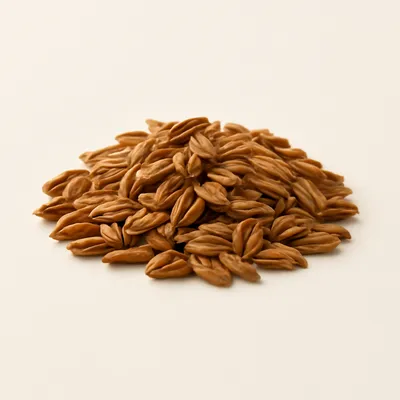
Chicharrón (fried pork chunks): cut 500 g pork belly into 2 cm cubes. Place in a heavy pot with 1 cup water, 1 tsp salt, ½ tsp pepper, 2 garlic crushed, 1 tsp cumin, juice of 1 sour orange (or substitute lemon + orange).
- 232 min
Bring to boil; simmer covered 30 min until pork is tender and most water has evaporated.
Watch outSimmer until the pork is fork-tender and most of the water is gone — the pieces should look dry at the edges before you raise the heat.
- 39 min
Uncover; raise heat to high. As pork's own fat renders, it will start frying in its own fat. Stir constantly 8-10 min until pork chunks are crisp-brown on edges and fat has rendered to golden oil. Lift pork out; drain on paper. Reserve rendered fat for next time.
Watch outOnce the water's gone the pork starts frying in its own fat; stir constantly until edges are crisp-brown and the fat runs golden.
- 413 min
Beans: heat 2 tbsp of the rendered pork fat (or vegetable oil). Sauté ¼ chopped onion + 1 garlic 2 min. Add 2 cups cooked black beans + ½ cup bean cooking liquid + 1 tsp Lizano + ½ tsp cumin. Simmer 8 min until thick.
- 52 min
Rice: have 2 cups cooked white rice ready (hot or room temperature).
- 612 min
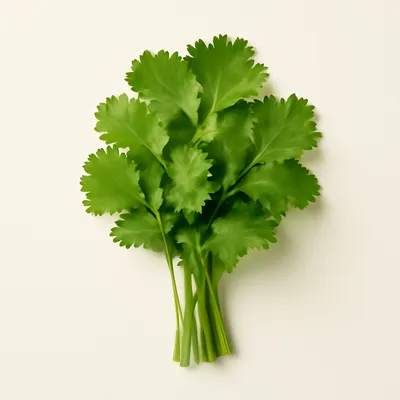
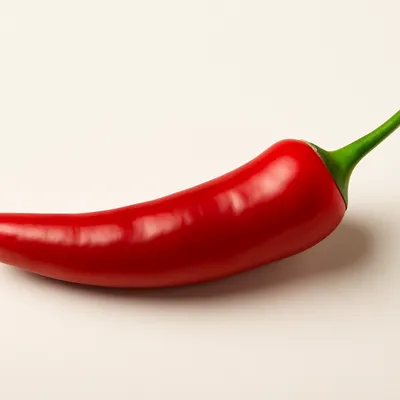
Pico de gallo: dice 2 tomatoes (deseeded) + ½ red onion + ¼ cup chopped cilantro + 1 small chopped jalapeño + juice of 1 lime + 1 tbsp olive oil + ¼ tsp salt. Mix and let sit 10 min.
Watch outLet the dressed pico sit 10 minutes so the salt and lime pull the flavors together, but no longer or it weeps.
- 78 min
Assembly per bowl (use a wide glass or shallow bowl): layer of beans at bottom (½ cup), layer of rice (½ cup), layer of crispy pork chunks (about 8-10 cubes), spoon of pico de gallo, 4-5 slices of avocado, drizzle of extra lime juice.
Watch outBuild the layers gently and serve at once — the pork should still be hot against the cold pico.
- 85 min
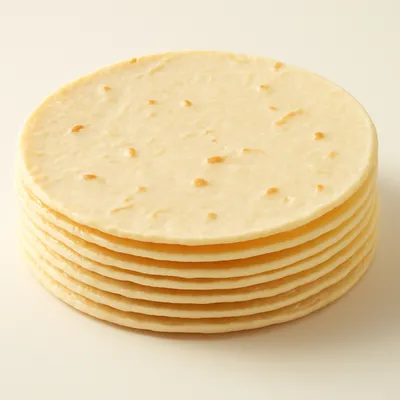
Serve immediately with tortilla chips. Provide forks AND tortilla chips — diners alternate between using chips to scoop and forks to combine layers.


