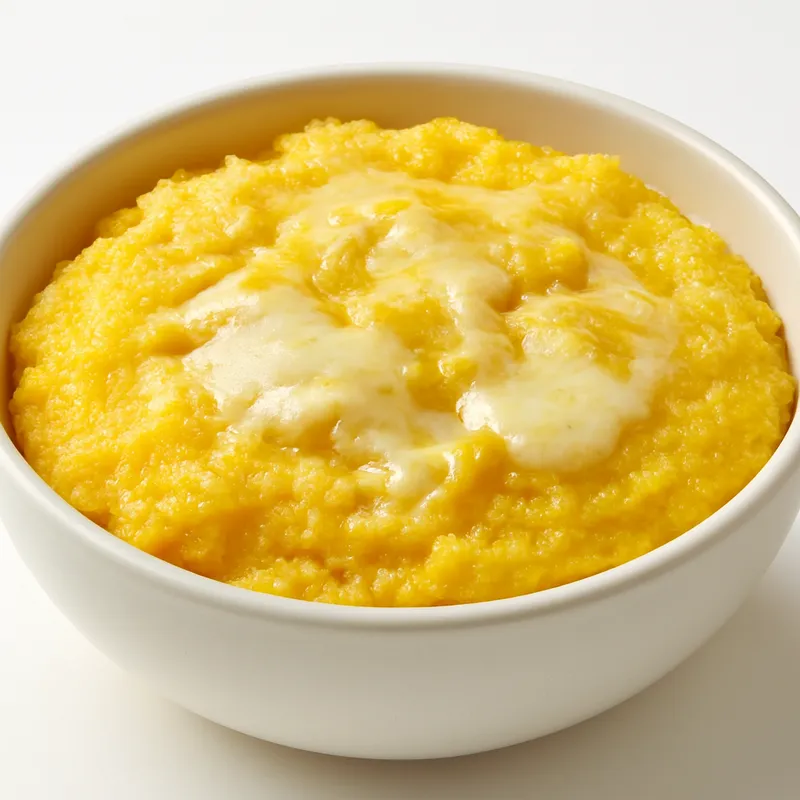
A pan-Calabrian cucina povera staple—long pasta tossed with anchovies dissolved in olive oil and chili, finished with toasted breadcrumbs that stand in for grated cheese as the Parmesan of the poor; a registered traditional product (PAT, Pasta con la mollica) and the customary dish of the Christmas Eve vigil across Reggio Calabria and all five Calabrian provinces.

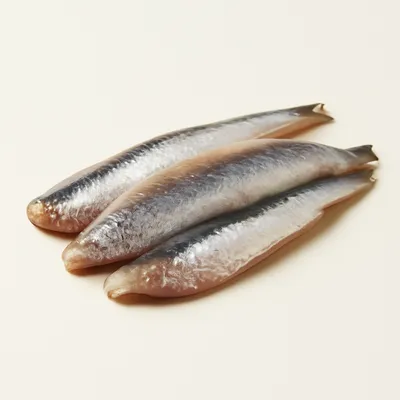


Pasta ca' Muddica e Alici belongs to the cucina povera tradition shared across southern Italy and, in Calabria, is especially associated with the Reggio Calabria coast. In households where cheese was unaffordable, toasted stale breadcrumbs—muddica atturrata—replaced grated Parmesan, earning the dish the name il parmigiano dei poveri (the Parmesan of the poor). The breadcrumb-and-anchovy formula recurs region to region; its Sicilian counterpart, pasta ca' muddica atturrata, is a recognized regional traditional agri-food product, while in Calabria the breadcrumb pasta most firmly enrolled in the traditional-foods register is struncatura. The dish is most strongly identified with the Christmas Eve vigil meal, when Church custom favored a meatless and dairy-free table, making the anchovy-and-breadcrumb formula a natural centrepiece.
Silky from dissolved anchovies, the oil-coated strands carry a deep marine saltiness; the chili adds sustained warmth; and the toasted breadcrumbs bring a dry, nutty crunch that contrasts with the smooth pasta and pulls the whole dish together texturally.
When anchovies are heated in olive oil at 120–140°C, their acto-myosin proteins denature and their thin collagen matrix dissolves, releasing free glutamate and inosinate into the oil. Glutamate and inosinate together trigger a synergistic umami response approximately eight times stronger than either alone. Breadcrumbs toasted in a dry pan at 140–165°C undergo Maillard browning: reducing sugars react with free amino acids such as asparagine and lysine to generate pyrazines, furans, and aldehydes, producing nutty-roasted aromas. Residual crumb starch, lightly gelatinized by contact with pasta cooking water vapour, helps the crumbs adhere to oil-coated pasta strands rather than falling to the plate.
Variations
A Messina-influenced eastern Calabrian version adds pine nuts and raisins, introducing an Arab-Sicilian agrodolce note; a Lenten version omits anchovies entirely for a pure garlic-chili-breadcrumb pasta; some families add capers or chopped black olives.
On the Palate
Where Pasta ca' Muddica e Alici sits in the Italian flavor cloud
Ingredients
Serves 4

How it's made
8 steps · 30 min
- 18 min
Tear stale bread into pieces and pulse to coarse crumbs; toast in a dry skillet over medium-high heat, stirring constantly until golden-brown; set aside
Watch outToast the crumbs stirring nonstop just to golden-brown — they carry over on residual heat, so pull them a shade early or they turn bitter.
- 212 min
Bring a large pot of salted water to a rolling boil; add long pasta and cook until 1 minute shy of al dente
- 33 min
In a wide pan, warm olive oil over low heat; add sliced garlic and dried chili flakes and cook until fragrant but not coloured
- 43 min
Add anchovy fillets; use the back of a fork to press and work them until completely dissolved into the oil
Watch outWork the anchovies with a fork until they completely dissolve into the oil — any lump left means raw fishy bits instead of a savory base.
- 51 min
Reserve a ladleful of pasta cooking water; drain pasta
- 63 min
Transfer pasta to the anchovy oil pan; toss over medium heat, adding splashes of cooking water as needed to emulsify the coating evenly
Watch outSplash in pasta water bit by bit while tossing until the oil clings and turns silky — dry and it slides off, too much and it puddles.
- 72 min
Continue tossing for 1–2 minutes until each strand is silky and well-coated
- 82 min
Remove from heat; scatter toasted breadcrumbs generously over the top and serve immediately