



Crescia (specifically crescia di Urbino or crescia sfogliata in different parts of Marche) is a yeasted, egg-and-lard-enriched flatbread that emerged from a feast-day kitchen rather than the everyday peasant kitchen of Umbria's unleavened torta. The crescia is documented at the Urbino ducal court as early as the 15th century, under Federico da Montefeltro, where its eggs and (then-precious) pepper made it a 'flatbread of the rich'; it remained a banquet dish through the later Della Rovere dukes (16th century). Today crescia is sold at every Marche food festival and butcher shop, split horizontally and filled with one of: Urbino prosciutto + pecorino + arugula; salame di Fabriano + caciotta; ciauscolo + parmigiano. The 'sfogliata' (laminated) variant rolls butter or lard into the dough multiple times, creating layers similar to croissant — that version is special-occasion only.
Crescia is what Umbrian torta al testo could be if it grew up wealthier — same hand-feed format (split, stuffed, folded), but pillowy-soft from yeast, rich from lard and eggs, almost-cake-like in texture. Bite through: warm pillowy bread, salty prosciutto, sharp aged pecorino, peppery arugula — all in one mouthful, no sauce, no overthinking. The lemon zest in the dough is subtle but you taste it on the third bite. A glass of Verdicchio cleans the palate between bites; you start with one and finish two. Crescia is what a Marche butcher hands you when you visit and refuses payment.
Yeast leavening (unlike Umbrian torta's baking-soda) creates a more developed gluten network and slower fermentation, producing the soft-chewy interior with airy crumb. Lard in the dough adds tenderness — it coats gluten strands and shortens them, the same mechanism that makes pastry tender. Eggs add structure and richness. The 90-minute rise gives yeast enough time to develop flavor without overproofing. Cooking on stone (vs oven) creates the dish's signature blister-spots and slight sourdough-like crust on the outside while the inside stays steamed-soft.
Variations
Urbino classic uses yeast + eggs + lard; Pesaro variant uses olive oil instead of lard (lighter); the 'crescia sfogliata' is laminated like puff pastry with multiple lard-fold-roll cycles (special occasion only); modern bakeries make a sweet crescia with honey and orange peel for Easter (different dish, same name); commercial vacuum-packed crescia sold at gas stations exists but loses 80% of the magic; the perfect crescia is eaten within 30 minutes of cooking.
On the Palate
Where Crescia sits in the Italian flavor cloud
Ingredients
Serves 6



How it's made
6 steps · 40 min active + 2 hours 20 min waiting
- 110 min
Activate yeast: in a bowl, dissolve 15g fresh yeast (or 5g instant) in 200ml warm milk + 1 tbsp sugar. Wait 8 min until foamy.
Watch outGive the yeast 8 minutes to foam up thick — if the milk stays flat and still, it's dead or too hot and the dough won't rise; start over.
- 213 min
Make dough: in a large bowl, mix 500g 00 flour + 1 tsp salt. Make well; add yeast mixture + 3 eggs + 80g melted lard (or butter) + zest of 1 lemon. Mix until shaggy, then knead 10 min on floured surface until smooth and elastic.
- 392 min
Place dough in oiled bowl; cover; let rise in warm spot until doubled, 90 min.
Watch outLet it rise until doubled and pillowy — poke it and the dent should spring back slowly; a fast snap-back means it needs more time.
- 48 min
Punch down; divide into 4 balls (each ~200g). Roll each into a disc 22cm diameter, 6mm thick. Pierce all over with fork.
- 512 min
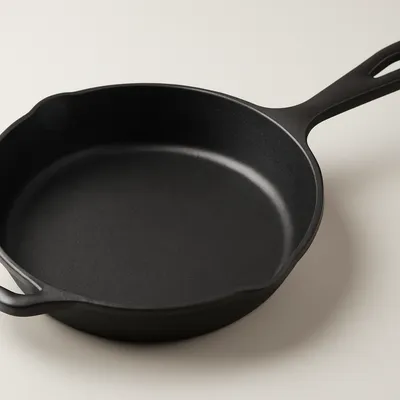
Heat cast-iron skillet or thick griddle on medium-high heat 8 min. Cook each crescia 3 min per side until golden-spotted, slightly puffed. Cover briefly with lid to ensure interior cooks through. Stack between clean towels to keep warm.
Watch outCook until golden-spotted and puffed, then cover briefly so the middle steams through — pull too soon and the inside stays doughy.
- 69 min
Slice each warm crescia horizontally with a serrated knife. Fill: classic Urbino combo is 4 slices prosciutto di Carpegna + 60g aged pecorino di Urbino + 1 small handful arugula. Or salame di Fabriano + caciotta. Or ciauscolo spread thick. Fold and eat warm.
Archive tool suggestions — not reviewed
These legacy suggestions have not been evidence-reviewed and are not presented as required tools.