Lucca's beloved sweet bread, a glossy yeast-leavened ring enriched with sugar, butter and eggs and studded with raisins and aniseed. Once shaped as a true ring and carried to Sunday Mass balanced over the forearm, it now comes as a ring or a domed loaf, its crust brushed dark and shiny and scored along the top. The crumb is soft, only lightly sweet and perfumed with anise, best eaten in slices, toasted the next day, or dipped in wine. So bound up with the city is it that a local saying holds you have not truly been to Lucca until you have eaten it.




The name descends from the Latin buccella, a small mouthful; to the Romans a buccellatum was a ring of little rolls, buccellae, joined into a crown. In Lucca the bread took on a sweet, festive character tied to the September feast of the Exaltation of the Holy Cross, the city's greatest celebration. It was long the gift of godparents at a child's confirmation, and the ring was carried to Mass balanced along the forearm. It belongs to Tuscany's family of enriched sweet breads beside Florence's rosemary-and-raisin pan di ramerino. The Taddeucci bakery on Piazza San Michele, opened in 1881, remains its most famous maker, and a Lucchese proverb warns that whoever comes to Lucca and does not eat buccellato is as though he had never come at all.
The crust is thin, deep brown and lacquered, giving a little resistance before the crumb beneath turns soft and tender. It is only lightly sweet, the flavour carried by warm anise and the winey sweetness of raisins soaked through the loaf. A day old and toasted, the cut face crisps and caramelises at the edges; dipped in Vin Santo or layered with cream and macerated strawberries, it softens and drinks up the liquid.
Buccellato is an enriched dough, and its softness comes from fat and sugar interfering with gluten. Butter coats the flour proteins and sugar competes for water, so the gluten network stays short and the crumb tender rather than chewy like lean bread. Yeast ferments more slowly in this sweet, fatty dough, so it is given long, patient rises; the carbon dioxide the yeast produces is trapped by what gluten does form, raising the loaf, while fermentation also builds aroma. The raisins, soaked first, hold moisture, and their sugars help the crust colour. Brushing the top with beaten egg and sugar before baking gives the deep, glossy crust through the Maillard reaction and caramelisation, and the slash scored along the top lets the loaf expand along a controlled seam instead of bursting.
Variations
Some bakers form a true open ring, others a filled dome or an oval loaf, and the size runs from a single large celebration bread to small individual buns. Aniseed and raisins are constant, but the aromatics vary: a splash of anise liqueur, a little vanilla, candied citron or orange, or a rub of citrus zest. Day-old buccellato has its own uses, sliced and toasted, dipped in wine, or built into a Lucchese dessert with cream and macerated strawberries; the drier crumb of a stale loaf even goes into a sweet bread soup. It sits within Tuscany's broader tradition of enriched breads such as pan di ramerino.
On the Palate
Where Buccellato di Lucca sits in the Italian flavor cloud
Ingredients
Serves 10

How it's made
8 steps · 30 min
- 130 min
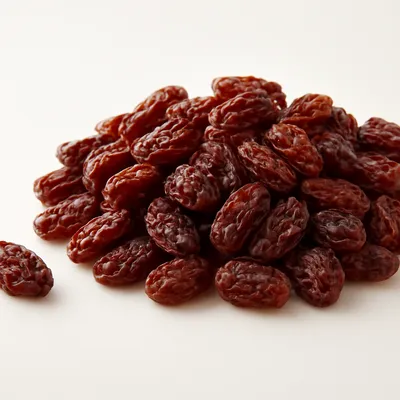
Soak the raisins in warm water or a little wine until plump, then drain and pat them dry.
- 210 min
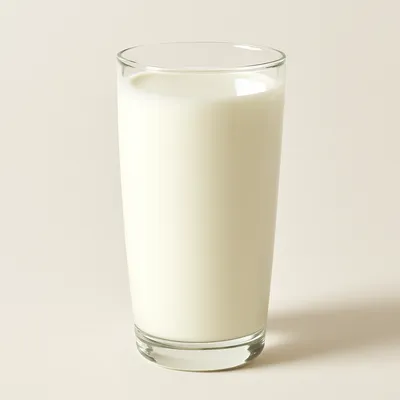
Dissolve the brewer's yeast in warm milk and let it stand until foaming.
- 315 min
Work the flour, sugar, eggs, softened butter, aniseed and salt with the yeasted milk into a smooth, elastic dough.
- 4120 min
Cover and leave to rise in a warm place until doubled, about two hours.
Watch outLet it rise until truly doubled — this sweet, buttery dough ferments slowly, so rushing the proof leaves it dense.
- 512 min
Knock back the dough, knead in the drained raisins, and shape it into a ring or a domed loaf.
- 660 min
Set it on a lined tray and leave to rise again until puffy, about an hour.
- 740 min
Brush with beaten egg and sugar, score the top, and bake at 180°C until deep brown, about 35 to 40 minutes.
Watch outBake to a deep brown, thirty-five to forty minutes — the egg-and-sugar wash needs that color to glaze the crust glossy.
- 820 min
Cool on a rack before slicing.
Archive tool suggestions — not reviewed
These legacy suggestions have not been evidence-reviewed and are not presented as required tools.


