
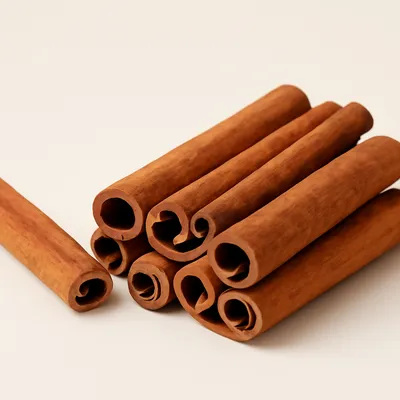
The canonical soup of the Valle d'Aosta, named for the village of Valpelline north of Aosta and known in the local patois as Seupa à la Vapelenentse. It is built in layers in a deep dish — boiled Savoy cabbage, slices of stale rye or brown bread, and plenty of Fontina — then soaked with hot beef broth, drizzled with melted butter, and baked until the broth is absorbed, the cheese melts through, and a golden crust forms on top. It is less a liquid soup than a dense, set bake, eaten with a spoon. A pinch of cinnamon or nutmeg is often added, and the dish is firmly rooted in cucina povera, a way to use up stale bread and a winter cabbage.
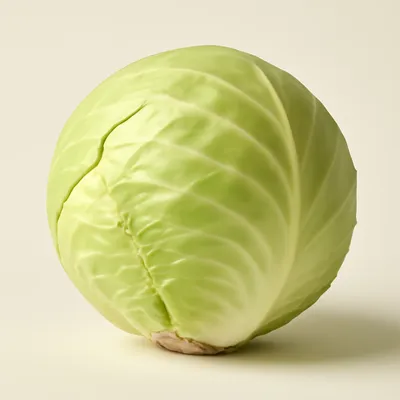

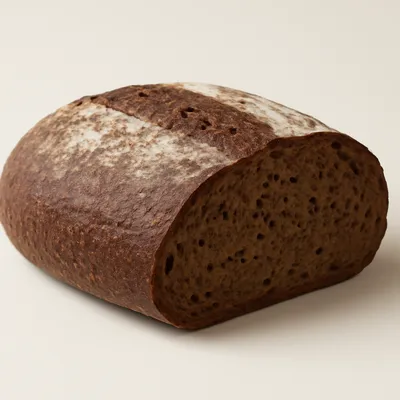


The soup takes its name from Valpelline, a small commune in the side valley of the same name above Aosta, and is one of the best-known dishes of the region; its patois name, Seupa à la Vapelenentse, simply means «Valpelline-style soup». Its exact origin is unrecorded, as with most Alpine peasant dishes, but it follows the long mountain logic of cucina povera — reviving stale bread and a hardy winter cabbage with broth and a fat winter cheese into something nourishing and warming. It rests on the same two pillars as much Valdostan cooking: Fontina, the raw cow's-milk cheese documented in the valley since at least the 15th century and DOP since 1996, and rye, the grain best suited to the high Alpine fields. The dish has its own annual festival in the valley.
Thick and set rather than soupy — a spoon stands up in it. The top is a burnished, chewy crust of baked Fontina; underneath, the bread has dissolved into a soft, savoury pudding heavy with broth, the cabbage gone sweet and silky from long cooking, and the cheese pulling in strings throughout. The flavour is deeply meaty from the broth, rich and lactic from the Fontina, with a faint warm sweetness if cinnamon or nutmeg has been used. A good one is moist and unctuous but holds its shape; a poor one is either soupy and loose because it had too much broth, or dry and stodgy because the bread soaked up everything and the cheese was skimped.
The dish works as a savoury bread pudding: dry, stale bread is a sponge of dehydrated starch, and the hot broth rehydrates it, the starch swelling and gelatinising so the layers bind into a single sliceable mass instead of floating apart. Fontina is one of the great melting cheeses — young, moist and low in acid — so it flows and binds the layers rather than tightening into rubber, and its surface browns and crisps in the oven's dry heat through the Maillard reaction to give the prized crust. Long, gentle cooking of the cabbage breaks down its fibres and converts starches toward sugars, taking out the raw bite and leaving it sweet. Baking, rather than boiling on the stove, drives off excess liquid and sets the whole into the dense bake that defines it.
Variations
Recipes differ in the bread — proper rye or a dark country loaf is traditional, though plain stale white bread is often used — and in the seasoning, with cinnamon, nutmeg or a few cloves added in some households and none in others. Some cooks lay in a little of the boiled cabbage's cooking meat or use a richer broth; the cheese is properly Fontina Val d'Aosta. It belongs to the wider Alpine family of layered bread-and-cheese bakes — close kin to Savoyard and Swiss cabbage-and-cheese soups — and sits alongside the valley's other Fontina dishes such as fonduta and polenta concia.
On the Palate
Where Zuppa alla Valpellinentze sits in the Italian flavor cloud
Ingredients
Serves 6
How it's made
7 steps · 35 min active + 45 min waiting
- 120 min
Core and shred a head of Savoy cabbage and boil it in beef broth until soft, about 15-20 minutes; lift out the cabbage and keep the broth hot.
- 28 min
Slice stale rye or dark bread and, if very pale, dry or lightly toast the slices so they will hold up to the broth.
Watch outDry or lightly toast pale bread before layering — stale, dry bread is a sponge that soaks the broth and binds the layers; fresh bread just turns to slop.
- 310 min
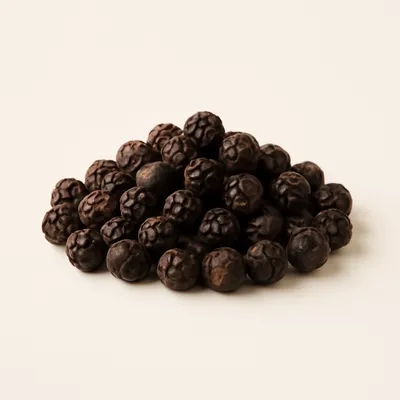
Butter a deep baking dish and lay down a layer of bread, then a layer of cabbage, then a generous layer of sliced Fontina; season with a little salt, pepper and a pinch of cinnamon or nutmeg.
- 45 min
Repeat the layers, finishing with a top layer of Fontina.
- 55 min
Ladle the hot broth slowly over the dish until the bread is well soaked but not flooded, then drizzle melted butter over the top.
Watch outLadle the hot broth slowly until the bread is well soaked but not flooded — too much and it drowns; the layers should bind, not swim.
- 640 min
Bake in a hot oven at about 200°C until the broth is absorbed, the cheese has melted through, and the top is golden and crusted, about 40 minutes.
Watch outBake until the Fontina melts through and the top is golden and crusted — that browned cheese crust is the prize of the dish.
- 74 min
Let it settle for a few minutes, then serve hot, scooped from the dish.
Archive tool suggestions — not reviewed
These legacy suggestions have not been evidence-reviewed and are not presented as required tools.


