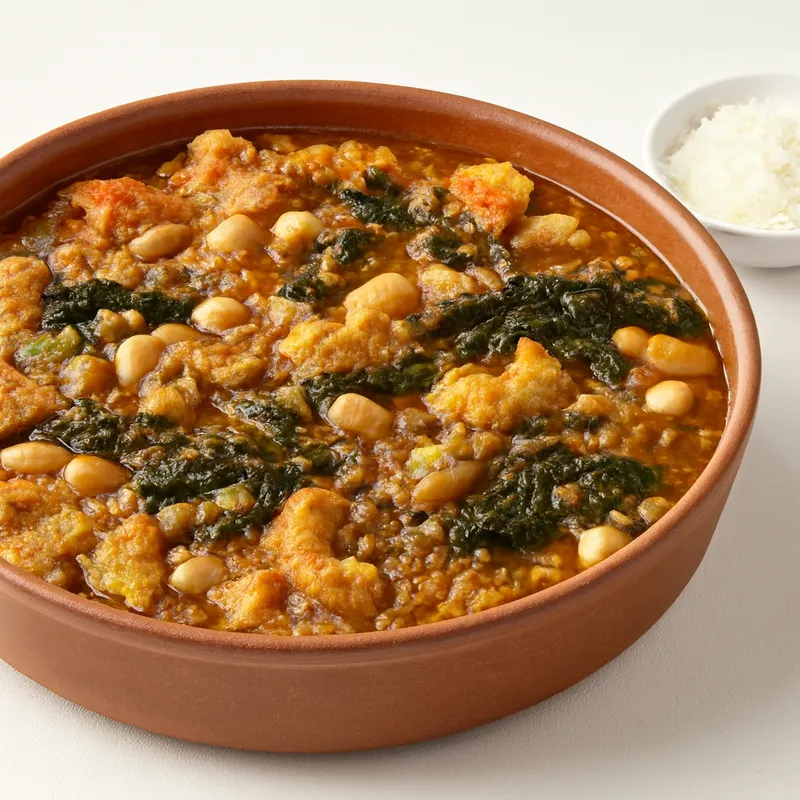
A tall baked frittata from Basilicata built on freshly grated horseradish (rafano), beaten with many eggs and grated pecorino and cooked in the oven — or, in the old way, over embers. The horseradish is the point: pungent and sinus-clearing raw, it softens to a warm, mustardy depth once baked. It is firmly a Carnival dish, made in the weeks between the feast of Sant'Antonio Abate on 17 January and Mardi Gras, and is associated above all with the Val d'Agri and the upper Matera hills. Potato, breadcrumbs or local sausage are common additions, and a wedge is eaten warm as a hearty start to the day or as a rustic main.


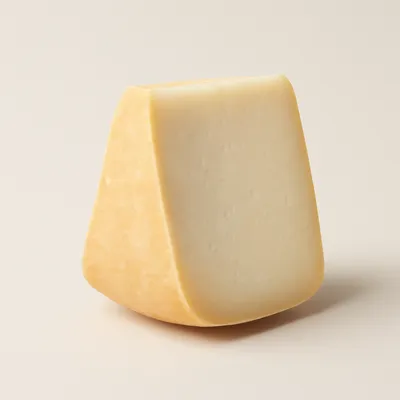
The dish is documented as a Lucanian Carnival specialty: a baked frittata of beaten eggs, grated pecorino, fresh horseradish and lard or oil, eaten in the stretch from the feast of Sant'Antonio Abate (17 January) to Martedì Grasso. Its defining ingredient, horseradish (rafano), is thought to have reached Basilicata around the 11th century with the Normans and took hold because it grew easily in the region's water-rich land and gave poor kitchens a cheap, vitamin-rich, sharply flavoured root — earning it the local epithet «il tartufo dei poveri», the truffle of the poor. The Rafanata is tied especially to the Val d'Agri, the Vulture-Melfese and the Matera hills, and a number of towns hold horseradish or Rafanata festivals, among them Viggiano, Marsico Nuovo, Anzi, Pietrapertosa and Stigliano. A distinct Castelsaraceno version — pasta dressed with meat ragù, horseradish and pecorino — was recognised as a traditional agri-food product (PAT) of Basilicata in 2022. No single inventor or founding date is recorded for the frittata itself.
The first impression is the horseradish: a clean, mustardy heat that rises through the nose more than it burns the tongue, then settles as the egg and cheese close around it. Baked, it is far milder and rounder than the raw root — warm and aromatic rather than eye-watering — with the sharp top notes blown off in the oven. The frittata itself is thick, set but still tender, golden and faintly crusted at the edges, salty and savoury from the pecorino. Where sausage or potato goes in, it gains a meatier or softer, more filling body. Eaten warm, it is robust and a little fiery; cold, the horseradish recedes further and the cheese leads.
Two reactions define the dish. Horseradish has no pungency until it is cut: grating ruptures the cells and brings the enzyme myrosinase into contact with the glucosinolate sinigrin, which it converts to allyl isothiocyanate, the volatile, sinus-stinging compound also responsible for mustard and wasabi heat. That compound is volatile and heat-labile, so much of it escapes during baking, which is exactly why the cooked frittata tastes warm and rounded rather than raw and biting. Meanwhile the eggs set by protein coagulation: their proteins denature and link into a gel from roughly 62 to 70°C, trapping air and giving the frittata its tall, tender structure, while a moderate oven (around 180°C) firms the centre without overcooking the edges into rubber. The grated pecorino adds salt, fat and glutamate-driven savouriness, and a little fat in the pan promotes a thin golden crust. Grating the horseradish at the last moment keeps the most volatile heat for the finished dish; doing it too early lets the isothiocyanate dissipate into the air before it ever reaches the eggs.
Variations
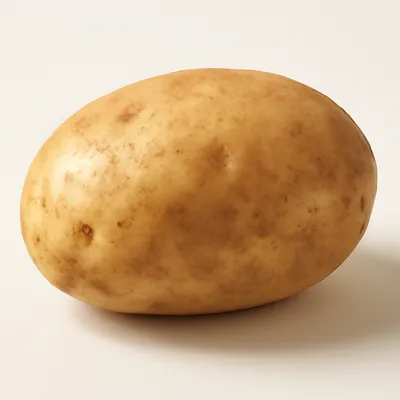
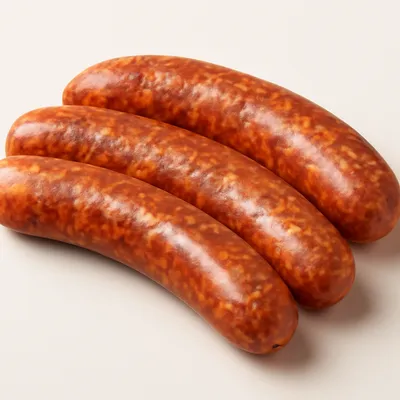
Recipes divide on richness and binder. The plainest is just eggs, pecorino and horseradish; common additions are grated or mashed boiled potato to soften and stretch the mixture, breadcrumbs (mollica) for body, or crumbled local sausage (salsiccia) for a meatier version. The fat is traditionally lard, in keeping with its pork-rich Carnival context, though olive oil is now widely used. Cooking ranges from the old hearth method over embers to a covered pan finished in the oven to a straight bake in a tin. Beyond the frittata, horseradish runs through Lucanian cooking more broadly — grated over pasta with breadcrumbs and pecorino, or in the Castelsaraceno ragù-and-rafano pasta recognised as a regional traditional product.
On the Palate
Where Rafanata sits in the Italian flavor cloud
Ingredients
Serves 6
How it's made
5 steps · 20 min active + 20 min waiting
- 18 min
Peel the fresh horseradish root and grate it finely, working at the last moment and at arm's length — the fumes are sharp. You want a few generous tablespoons; adjust to taste, as the raw heat is strong.
Watch outGrate the horseradish at the last moment and at arm's length — cutting the cells is what releases the sharp fumes; grate it early and much of the pungency escapes before it bakes.
- 28 min
If using potato, boil it until tender, then peel and mash or grate it and let it cool slightly. Crack the eggs into a large bowl and beat well with the grated pecorino, a little salt (go easy — the cheese is salty) and black pepper.
- 35 min
Stir the grated horseradish into the eggs, along with the potato, breadcrumbs or cooked crumbled sausage if using. Mix into an even batter. Heat the oven to 180°C.
- 44 min
Warm the lard or olive oil in an ovenproof pan over medium heat, swirl to coat, and pour in the egg mixture. Let the base set for a couple of minutes on the stovetop until the edges begin to firm.
- 522 min
Transfer the pan to the oven and bake until the frittata is fully set, risen and golden, about 18 to 25 minutes depending on thickness. A skewer in the centre should come out clean. Rest briefly, then turn out or slice into wedges and serve warm.
Watch outBake at 180 degrees until fully set, risen and golden — a skewer in the centre should come out clean; the eggs must coagulate through or the middle stays wet.
Archive tool suggestions — not reviewed
These legacy suggestions have not been evidence-reviewed and are not presented as required tools.