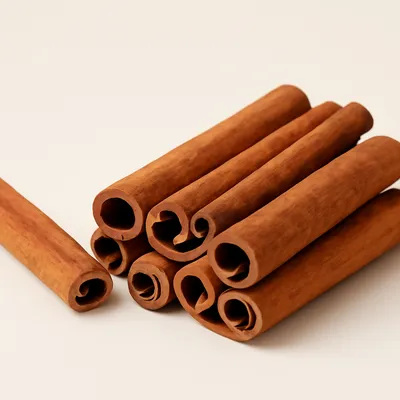
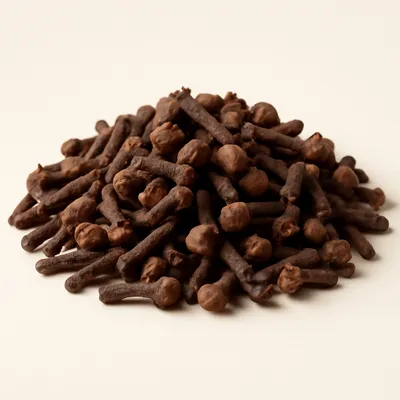
A coiled Calabrian Christmas and wedding pastry from San Giovanni in Fiore in the Sila highlands: thin sheets of oil-and-wine dough wound around a spiced filling of chopped walnuts, raisins, honey, orange zest, cinnamon, and cloves, coiled into rose-shaped spirals and baked until the pastry turns tender-crisp and the filling caramelizes; documented in a 1728 notarial record from Cosenza province and listed among Italy's official traditional food products.




Pitta 'mpigliata originates in San Giovanni in Fiore, a town set in the Sila massif of Cosenza province. A notarial document dated 1728 from San Giovanni in Fiore records the sweet being prepared for wedding banquets, establishing the earliest known written evidence for the pastry. The name fuses Greek pita (a flat bread or pastry, transmitted into Calabrian dialects via Byzantine contact) with the Calabrian verb 'mpigliare (to coil, to wind), describing precisely the act of spiraling thin dough around the filling. Originally confined to weddings, it migrated to Christmas celebrations; in the days before the feast, families would deliver their filled pans to the town's shared oven, marking them with olive sprigs or sweets to reclaim after communal baking. The closely related pitta 'nchiusa ('closed pitta') is made in Catanzaro and Crotone provinces. The product is listed in the Italian Prodotti Agroalimentari Tradizionali (PAT) registry under Cosenza province.
The oil-wine pastry shatters with a delicate snap—barely sweetened and faintly tangy from the wine—releasing a fragrant interior of toasted walnut, plump raisin, gently caramelized honey, warm cinnamon, and floral clove, with orange zest threading a citrus brightness through every bite. The contrast between flaky shell and sticky-sweet filling defines the sensory appeal.
Olive oil and wine replace water as the dough's liquids, fundamentally altering gluten development: oil molecules coat flour proteins, physically blocking their hydration and cross-linking, so the dough is short and fractures cleanly rather than stretching. Wine's ethanol evaporates early in the oven, further limiting gluten extension and contributing to the crisp, layered structure. During the 75-minute bake at 180 °C, fructose and glucose in the honey caramelize readily at a lower onset temperature than sucrose, producing a sticky, aromatic filling; cinnamaldehyde from cinnamon and eugenol from cloves volatilize under heat and permeate the thin pastry layers, creating the warm-spice aroma that fills the room before the pastries even reach the table.
Variations
Pitta 'nchiusa ('closed pitta') is the Catanzaro–Crotone variant with a fully enclosed shape and a slightly varied filling ratio. Post-baking finishes differ by family: some brush with warm vermouth, others with honey or olive oil for contrasting glazes. The filling occasionally incorporates dried figs, dates, or a splash of mandarin liqueur alongside the walnuts and raisins.
On the Palate
Where Pitta 'Mpigliata sits in the Italian flavor cloud
Ingredients
Serves 12
How it's made
7 steps · 1 hour
- 130 min
Make the dough: combine flour, sugar, olive oil, white wine, orange juice, and a pinch of cinnamon; work together into a smooth, pliable dough that does not stick to the hands; wrap and rest for 30 minutes.
Watch outThe oil-and-wine dough should feel smooth and short, not stretchy — if it springs back like bread dough, it'll bake tough instead of flaky.
- 215 min
Make the filling: finely chop walnuts; combine with raisins, sugar, honey, orange zest, ground cinnamon, and ground cloves; stir well until evenly mixed.
- 310 min
Divide the dough into manageable portions; roll each out on a lightly floured surface to a thin sheet of about 2–3 mm thickness.
- 420 min
Spread a thin layer of filling evenly over each dough sheet; roll up tightly from one edge into a log, then coil the log into a rose or snail spiral; arrange the spirals in oiled round baking pans, pressing gently so they hold their shape.
- 575 min
Preheat the oven to 180 °C; bake for 70–75 minutes until the pastry is deep golden and the filling is caramelized and set; the kitchen will fill with cinnamon and clove aroma as the pastries bake.
Watch outIt's done when the pastry is deep gold and the kitchen fills with cinnamon and clove — pull it before the honey filling scorches.
- 65 min
Remove from the oven; while still warm, brush generously with warm honey, vermouth, or olive oil to create a glossy protective finish.
Watch outBrush the honey glaze while still warm so it soaks and shines — on a cold pastry it just sits sticky on top.
- 75 min
Allow to cool completely before unmolding; dust with icing sugar if desired; these keep well at room temperature for up to two weeks.
Archive tool suggestions — not reviewed
These legacy suggestions have not been evidence-reviewed and are not presented as required tools.


