Curved Christmas pastries from the Macerata hill towns of Cingoli and Apiro, named for a shape said to recall a horse's arched neck and mane. A thin dough of flour, white wine and olive oil is wrapped around a dense filling of walnuts, almonds, hazelnuts and dried figs bound with mosto cotto (sapa), enriched with raisins, cocoa, coffee and orange zest. Each roll is snipped two or three times so it opens in the oven, then brushed scarlet with Alchermes and dusted with sugar.

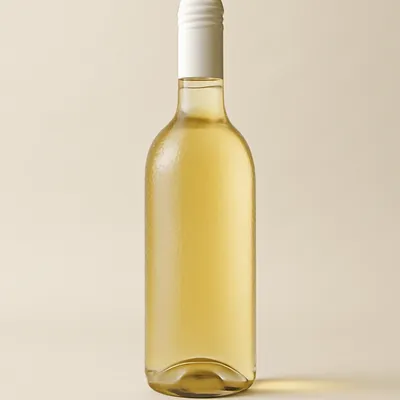
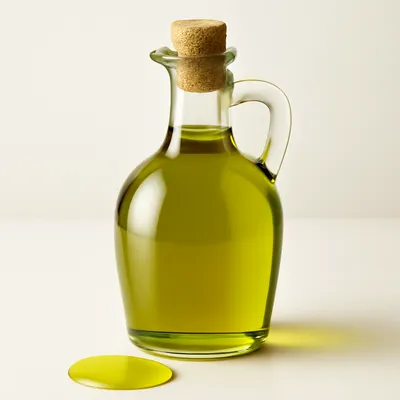


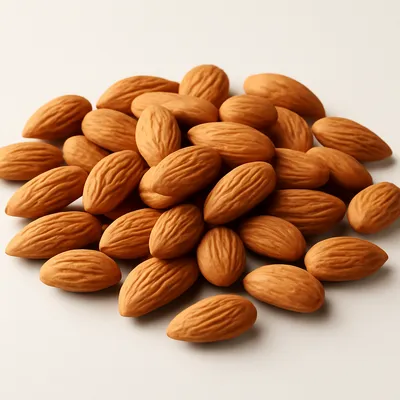
The cavallucci are a sweet of the Marche cucina povera, born in the early Middle Ages among the poorer classes and shaped over centuries by the vergare, the matriarchs of the sharecropping families, who baked them for Christmas from the day of San Martino (11 November), when, as the proverb runs, “every must becomes wine.” Their identity rests on mosto cotto or sapa, a syrup the Romans already knew, made by simmering grape must in a copper cauldron for ten to sixteen hours until it reduces to a third, with walnuts in their shells dropped in to keep it from catching. Popular belief traces the recipe to a convent at Apiro, though the tradition is unconfirmed, while Cingoli, which holds a December fair in their honour, claims them too. Kept in paper-lined straw baskets, they last well through the holidays, close cousins of the Marchigiano frustingo.
A crisp, biscuity crust gives way to a soft, sticky, intensely sweet filling; the mosto cotto tastes of dried fruit and caramel, the nuts add crunch and warmth, and the Alchermes leaves a faint floral, spiced finish over a dusting of sugar.
Simmering grape must for hours drives off water and pushes the sugars into slow Maillard and caramelization reactions, giving mosto cotto its dark colour, caramel notes and syrupy, preservative sweetness. In the dough, olive oil coats the flour and limits gluten development for a short, tender crumb, while the wine's water hydrates it and its acidity keeps it soft; baking powder adds a little lift. The scissor cuts open during baking, venting steam so the rich filling stays moist while the exposed dough crisps and browns.
Variations
Fillings shift from family to family: some add candied fruit, citron or a little rum, others lean on figs or lace the mix with cinnamon and cloves. The dough may be finished with sugar alone, with Alchermes, or left plain; the Sienese cavallucci are an entirely different aniseed biscuit, not to be confused with these. The frustingo is the richer, denser Marchigiano cousin baked as a single cake.
On the Palate
Where Cavallucci Marchigiani sits in the Italian flavor cloud
Ingredients
Serves 8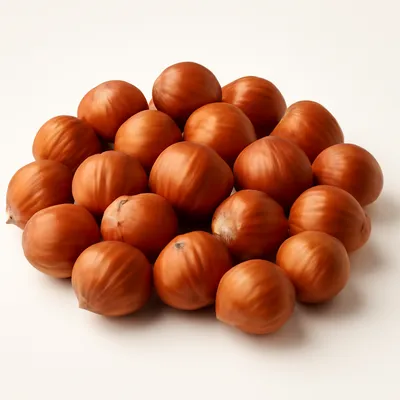


How it's made
7 steps · 1 hour
- 115 min
Soak 50 g raisins in warm water; finely chop 100 g walnuts, 100 g almonds, 50 g hazelnuts and 100 g dried figs.
- 215 min
Mix the nuts and figs with 300 g sapa, 100 g sugar, 50 g breadcrumbs, the grated zest of 1 orange, 2 tbsp cocoa and a shot of coffee into a dense filling, then fold in the drained raisins.
- 3720 min
Cover and rest the filling 12 hours so it firms up and the flavours deepen.
Watch outRest the filling a full twelve hours so it firms up and the flavours settle — piped in too soft, it oozes out of the cuts as it bakes.
- 415 min
Mound 500 g flour, add 100 ml white wine, 100 ml olive oil, 100 g sugar and a sachet of baking powder, and knead to a smooth, firm dough.
- 515 min
Roll the dough 2-3 mm thick and cut into rectangles; spoon filling down the centre of each and roll up to enclose it.
- 620 min
Flatten the ends, curve each roll, snip 2-3 cuts along the outer edge with scissors so they open like a mane, and bake at 180°C for 12-15 minutes.
Watch outSnip two or three cuts along the outer curve so they open like a mane in the oven, then bake just until pale gold — over-baked, the pastry cracks and dries.
- 710 min
Cool completely, brush the tops with Alchermes and dust with sugar.
Archive tool suggestions — not reviewed
These legacy suggestions have not been evidence-reviewed and are not presented as required tools.


