Sardinia's most elaborate confection: a wafer-thin almond-paste shell scented with orange-flower water enclosing a soft almond filling, then finely piped with white royal icing into baskets, cones, and miniature sculptures. A prestige sweet of Cagliari's Campidano hinterland, traditional at weddings, baptisms, and Candlemas.


From Quartu Sant'Elena and Selargius near Cagliari in Sardinia's Campidano plain, these confections—known in Sardinian dialect as 'druccis finis' (the fine sweets)—were historically the prestige gift of the landowning almond-farming families at weddings, baptisms, and Candlemas (2 February). The name Candelaus is traditionally linked to the Sardinian word for Candlemas. Artisans describe a production process that 'passes through hands seven times,' spanning more than three days of cooking, shaping, drying, and decorating.
The first crack of the royal icing gives way to the yielding almond shell—faintly floral with orange-blossom—and then the soft, lightly sweetened almond filling; the whole confection dissolves in a single, elegant mouthful, leaving a warm, lingering note of almond oil.
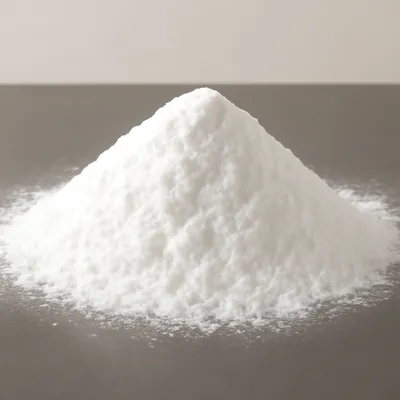
Almond paste is cooked as a sugar-based slurry: heating sugar and water to the soft-ball stage (115–118°C) and incorporating ground almond creates a pliable mass as the supersaturated sugar solution forms a fine crystalline network around the almond particles upon cooling. The shells are dried at ~50°C—well below the Maillard threshold (~140°C)—so moisture evaporates without browning, preserving the pale ivory colour. Royal icing sets through simple crystallization of confectioner's sugar as water evaporates at room temperature, leaving a smooth, hard, brilliant-white surface.
Variations
Shells are piped into baskets, cones, little bowls, and floral forms depending on the occasion; some towns use lemon juice only, without orange-flower water; the filling may be enriched with grated lemon zest or a pinch of saffron in certain Campidano villages.
On the Palate
Where Candelaus sits in the Italian flavor cloud
Ingredients
Serves 12
How it's made
8 steps · 4 hours 30 min active + 3 days waiting
- 130 min
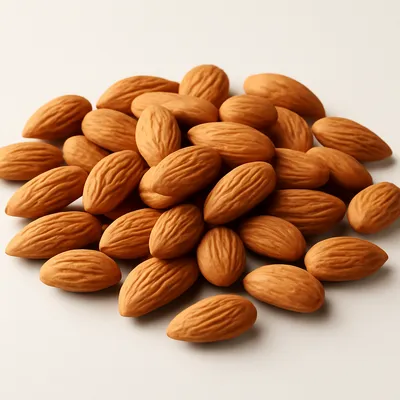
Blanch almonds in boiling water for 2 minutes; drain, peel and grind to a fine paste in a food processor
- 220 min
Cook ground almond paste with sugar and water in a heavy pan, stirring constantly over medium heat until the mixture pulls cleanly from the sides
Watch outStop cooking the almond paste the instant it pulls cleanly from the pan sides — go further and it dries out and cracks when you shape it.
- 315 min
Remove from heat; stir in orange-flower water; turn onto a cool marble surface and knead briefly; wrap and rest 24 hours
- 420 min
Pinch off small portions of rested paste; press into wafer-thin shells shaped as baskets, cones or small bowls using moistened hands; arrange on parchment and dry at room temperature 2–3 days until completely firm
Watch outPress the shells wafer-thin and let them dry rock-hard — any thick or soft spot collapses under the filling and icing.
- 5120 min
Transfer dried shells to an oven at 50°C; dry for 2 hours until very lightly golden; brush inside and out with a thin sugar glaze while still warm
Watch outKeep the drying oven low so the shells stay ivory — let them color past faint gold and you lose the signature pale look.
- 620 min
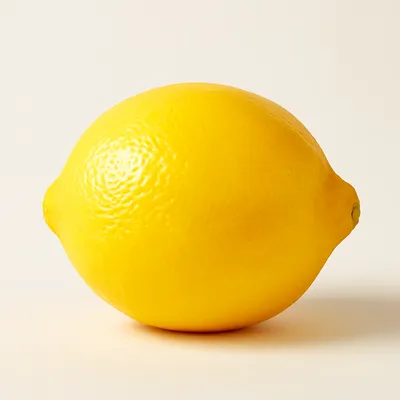
Prepare filling: simmer flaked almonds with sugar, water and grated lemon zest, stirring until thick; cool completely
- 710 min
Spoon almond filling into each shell; press edges together with a dab of fresh almond paste to seal
- 830 min
Fit a fine piping nozzle; pipe white royal icing in basket-weave or floral patterns over the surface; allow to dry completely at room temperature before serving
Archive tool suggestions — not reviewed
These legacy suggestions have not been evidence-reviewed and are not presented as required tools.


